
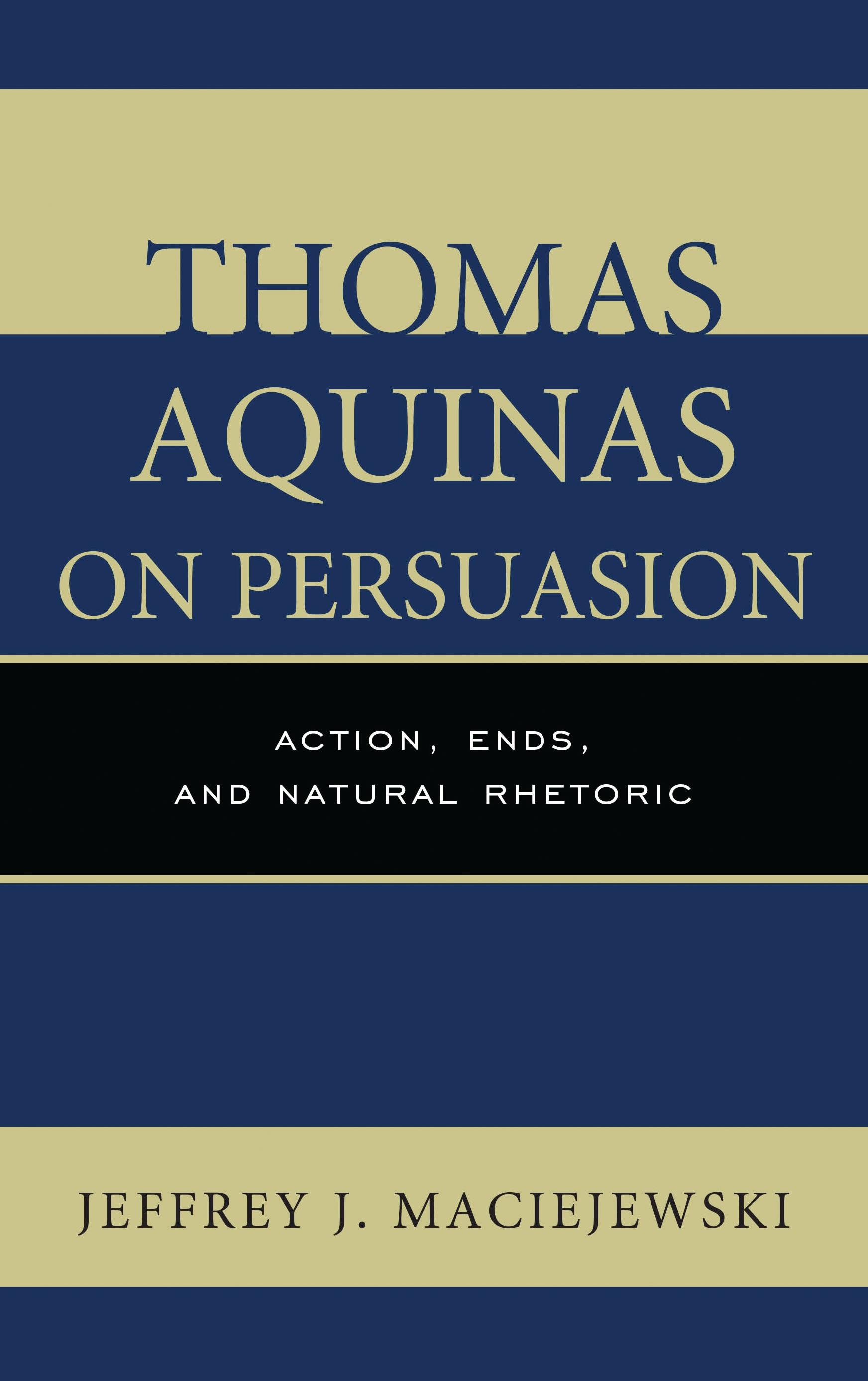
This analysis of the human need to persuade offers a new, creative, application of Aristotelian essentialism to human discourse. Using Thomas Aquinas’s adaptation of essentialism as a starting point, Jeffrey J. Maciejewski argues that persuasion is natural to human beings and that it possesses dispositional properties that bring about stages of human action that ultimately harmonize the operations of the mind in addition to harmonizing human relationships. Aquinas’s philosophy of human nature is reviewed and re-examined in order to discover why it is that humans need to persuade themselves and each other. The book should be of considerable interest to scholars of human nature, Thomist philosophy, and those interested in the history of rhetoric and rhetorical theory.
Betal enkelt med kort, Klarna, Apple Pay eller Google Pay. Ikke fornøyd? Du har alltid 14 dagers angrerett. Les mer i våre vilkår. Har du spørsmål, send oss en e-post på hello@memmo.org.
Memmo gjør det enklere å studere – uansett hvor du er i verden. Hos oss samler du pensumbøker og smarte studieverktøy på ett og samme sted: sammendrag, quizer, podkaster og flashcards. Og så Ted, din studiekompis som svarer på alt du lurer på. Over 50 000 studenter studerer allerede her – bygget for at du skal lære raskere og stresse mindre.