
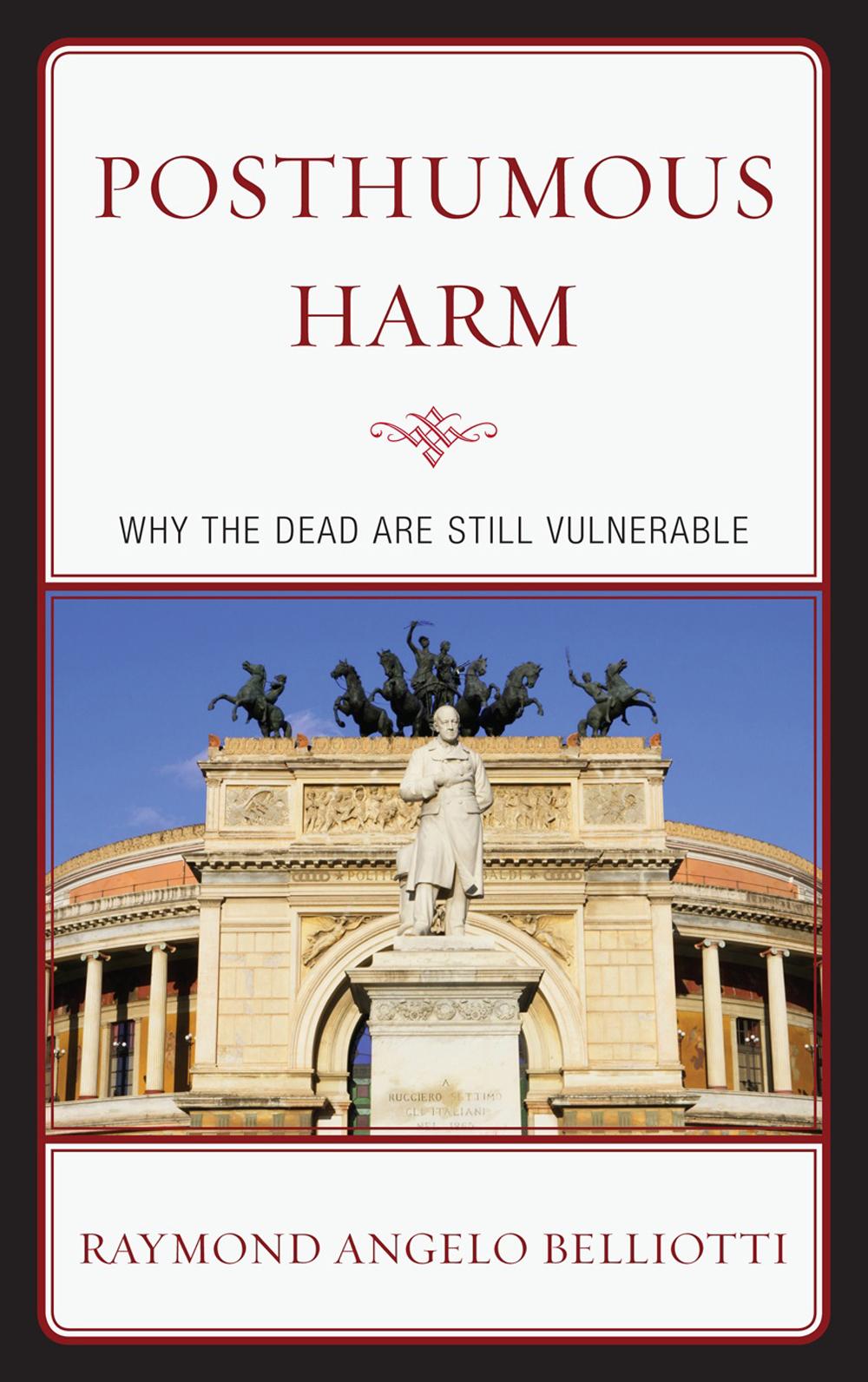
Reasonable people agree that, other things being equal, it is immoral to fail to fulfill deathbed promises, to maliciously defame the dead, and to mistreat corpses. But philosophical controversy swirls over why such acts are morally wrong. Are these acts wrong only because they violate moral norms against breaking promises, lying, and abusing others? Are these acts morally deficient because they wrong the dead? Are these acts morally wrong because they harm or injure the dead? Or are these acts blameworthy because they wrong, harm, or injure those who survive the deaths? Who are the genuine victims, if any, of these morally wrong acts?
When first confronting such questions seriously, we discover paradoxes. On one hand, we are inclined to think that the dead person is in some sense wronged, harmed, or injured by posthumous treachery. After all, when a promise is broken, when someone is maliciously defamed, and when someone’s request concerning the disposition of his remains is dismissed, we are inclined to think of the victims as the promisee, the defamed person, and the ignored person, respectively. On the other hand, in the case of the dead there are no “people” who might be identified as victims. Assuming that death marks finality, once we are dead we are no more. So perhaps the typical moral paradigms dissolve in such cases. Posthumous Harm: Why the Deadare Still Vulnerable addresses these issues and the host of questions surrounding them.
When first confronting such questions seriously, we discover paradoxes. On one hand, we are inclined to think that the dead person is in some sense wronged, harmed, or injured by posthumous treachery. After all, when a promise is broken, when someone is maliciously defamed, and when someone’s request concerning the disposition of his remains is dismissed, we are inclined to think of the victims as the promisee, the defamed person, and the ignored person, respectively. On the other hand, in the case of the dead there are no “people” who might be identified as victims. Assuming that death marks finality, once we are dead we are no more. So perhaps the typical moral paradigms dissolve in such cases. Posthumous Harm: Why the Deadare Still Vulnerable addresses these issues and the host of questions surrounding them.
Betal enkelt med kort, Klarna, Apple Pay eller Google Pay. Ikke fornøyd? Du har alltid 14 dagers angrerett. Les mer i våre vilkår. Har du spørsmål, send oss en e-post på hello@memmo.org.
Memmo gjør det enklere å studere – uansett hvor du er i verden. Hos oss samler du pensumbøker og smarte studieverktøy på ett og samme sted: sammendrag, quizer, podkaster og flashcards. Og så Ted, din studiekompis som svarer på alt du lurer på. Over 50 000 studenter studerer allerede her – bygget for at du skal lære raskere og stresse mindre.