
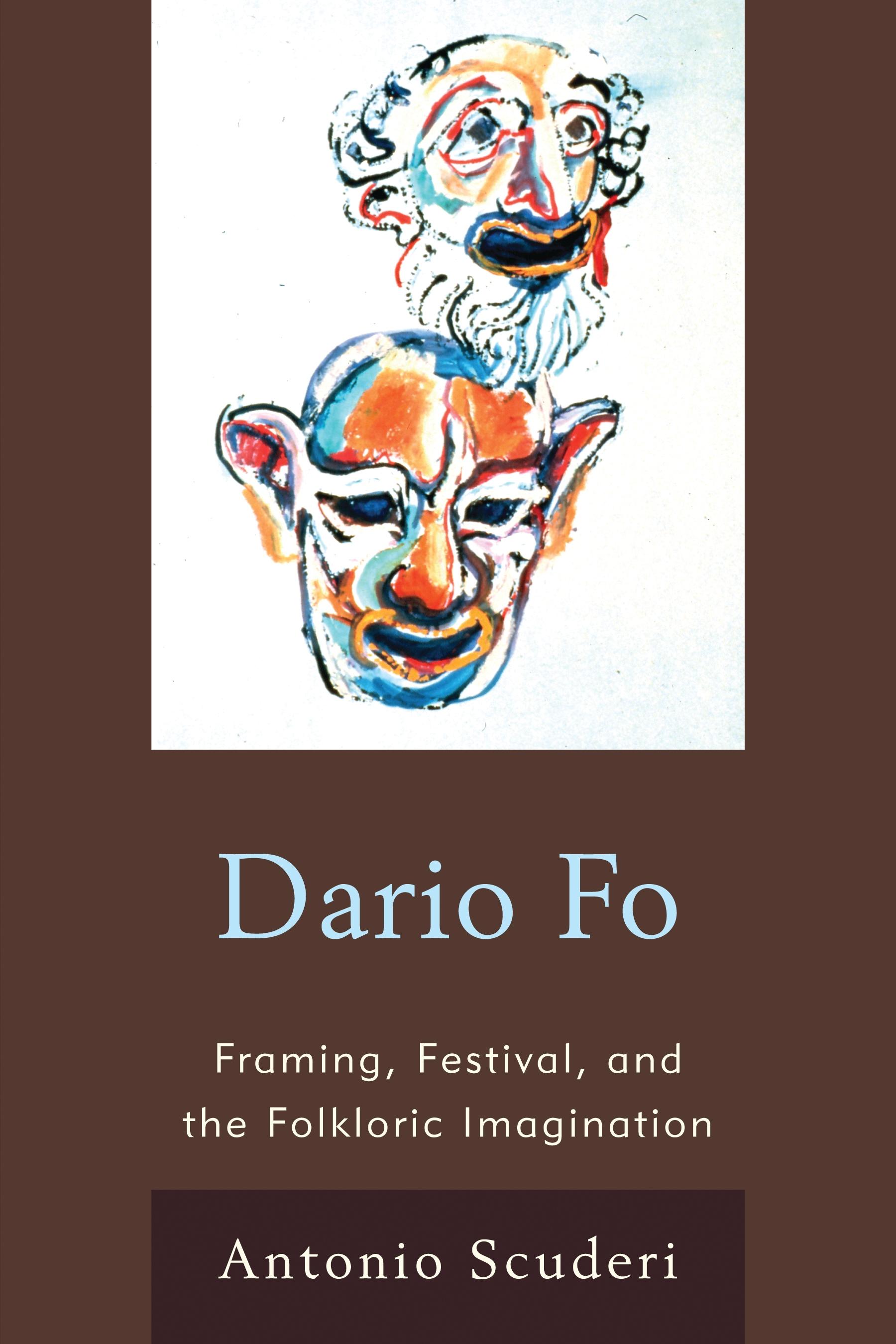
As a playwright and a performer, Dario Fo (1926-) is one of the most important figures in world theatre. By the 1980s some were proclaiming him the most widely performed living playwright. In 1997 his achievements were acknowledged with the Nobel Prize for literature. Based on his interpretations of the Marxist social writer Antonio Gramsci, Fo's politically motivated theatre strives to restore dignity to the popular culture of the masses. As part of this process, his theatre is structured on popular forms that challenge the preeminence of an authoritative text. In order to create a thematic frame, akin to certain oral traditions, Fo repeats themes and motifs that run throughout his theatre. Utilizing the mechanisms found in various oral traditions, Fo reaches beyond the confines of a given performance, by referring to the greater thematic frame. Dario Fo: Framing, Festival, and the Folkloric Imagination is a close, interdisciplinary study of his thematic frame and the techniques that allow him to refer to it throughout a performance. Using the tools of folklore performance studies and anthropology-including the works of some of the scholars that influenced Fo-this book explores his use of history and aspects of European culture that hark back to the carnival as a primordial fertility rite.
Betal enkelt med kort, Klarna, Apple Pay eller Google Pay. Ikke fornøyd? Du har alltid 14 dagers angrerett. Les mer i våre vilkår. Har du spørsmål, send oss en e-post på hello@memmo.org.
Memmo gjør det enklere å studere – uansett hvor du er i verden. Hos oss samler du pensumbøker og smarte studieverktøy på ett og samme sted: sammendrag, quizer, podkaster og flashcards. Og så Ted, din studiekompis som svarer på alt du lurer på. Over 50 000 studenter studerer allerede her – bygget for at du skal lære raskere og stresse mindre.