
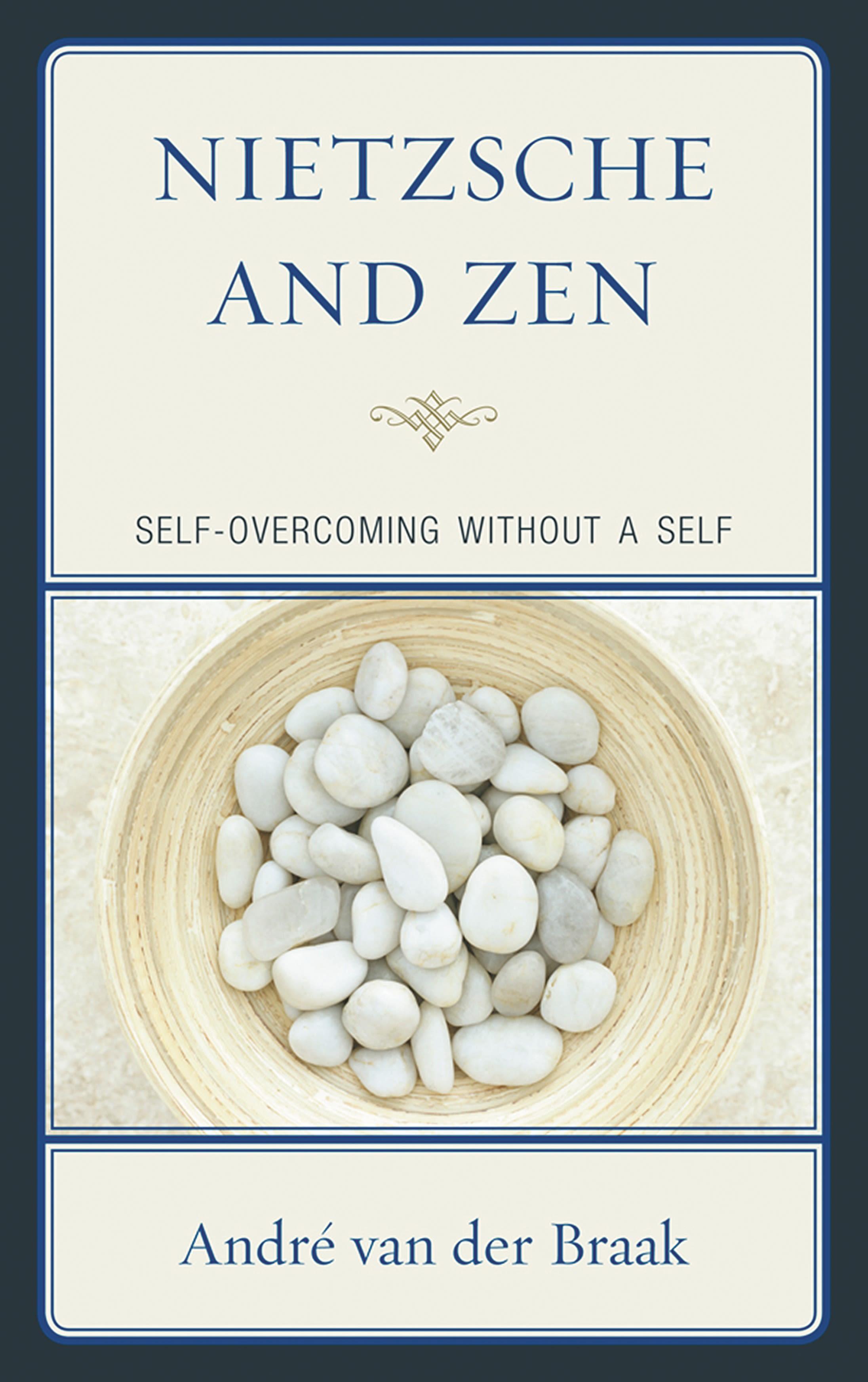
In Nietzsche and Zen: Self-Overcoming Without a Self, André van der Braak engages Nietzsche in a dialogue with four representatives of the Buddhist Zen tradition: Nagarjuna (c. 150-250), Linji (d. 860), Dogen (1200-1253), and Nishitani (1900-1990). In doing so, he reveals Nietzsche's thought as a philosophy of continuous self-overcoming, in which even the notion of "self" has been overcome. Van der Braak begins by analyzing Nietzsche's relationship to Buddhism and status as a transcultural thinker, recalling research on Nietzsche and Zen to date and setting out the basic argument of the study. He continues by examining the practices of self-overcoming in Nietzsche and Zen, comparing Nietzsche's radical skepticism with that of Nagarjuna and comparing Nietzsche's approach to truth to Linji's. Nietzsche's methods of self-overcoming are compared to Dogen's zazen, or sitting meditation practice, and Dogen's notion of forgetting the self. These comparisons and others build van der Braak's case for a criticism of Nietzsche informed by the ideas of Zen Buddhism and a criticism of Zen Buddhism seen through the Western lens of Nietzsche - coalescing into one world philosophy. This treatment, focusing on one of the most fruitful areas of research within contemporary comparative and intercultural philosophy, will be useful to Nietzsche scholars, continental philosophers, and comparative philosophers.
Betal enkelt med kort, Klarna, Apple Pay eller Google Pay. Ikke fornøyd? Du har alltid 14 dagers angrerett. Les mer i våre vilkår. Har du spørsmål, send oss en e-post på hello@memmo.org.
Memmo gjør det enklere å studere – uansett hvor du er i verden. Hos oss samler du pensumbøker og smarte studieverktøy på ett og samme sted: sammendrag, quizer, podkaster og flashcards. Og så Ted, din studiekompis som svarer på alt du lurer på. Over 50 000 studenter studerer allerede her – bygget for at du skal lære raskere og stresse mindre.