
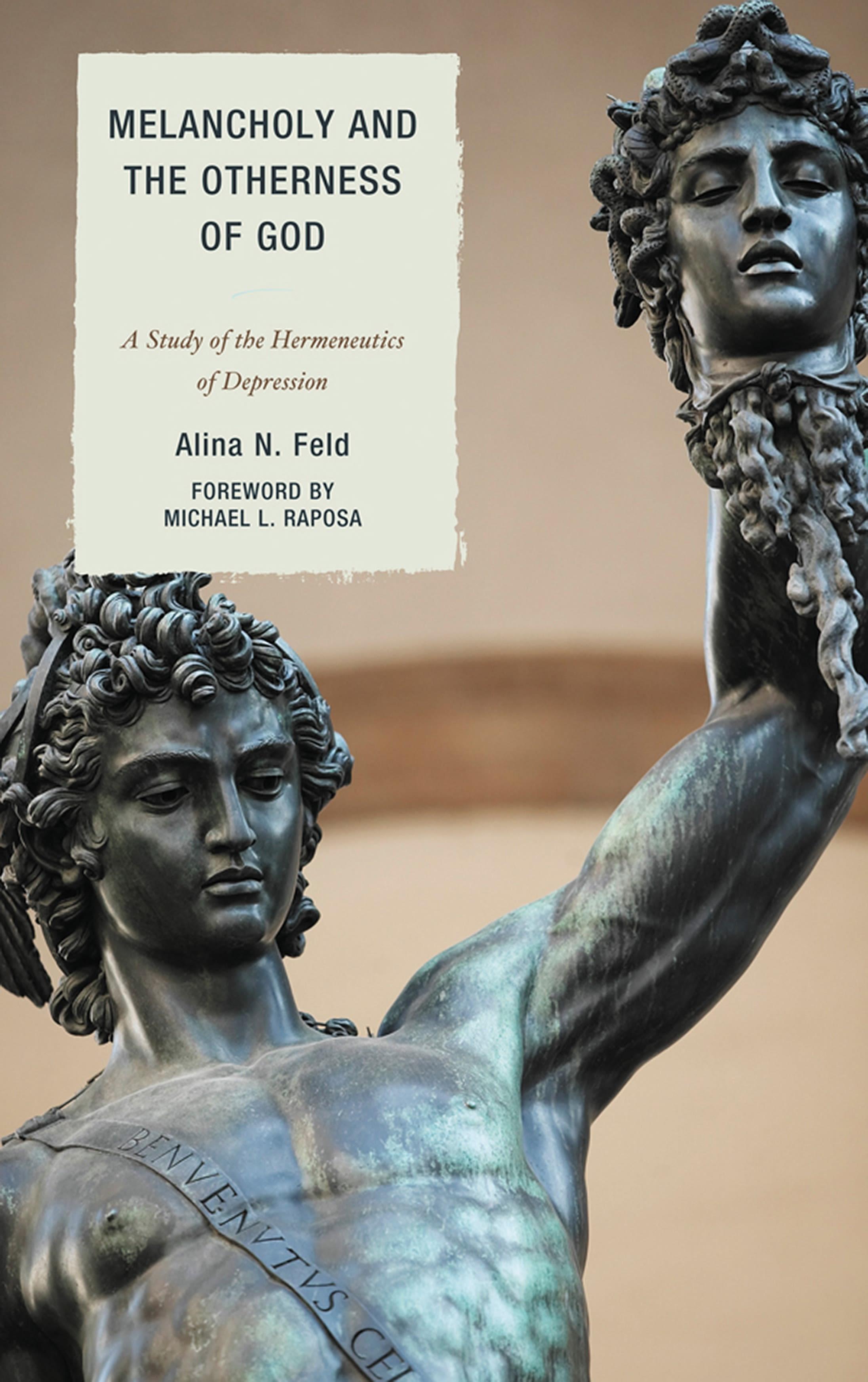
An impressive study that prompts the reader toward philosophical reflection on the hermeneutics of melancholy in its relation to maturing theological understanding and cultivation of a profound self-consciousness. Melancholy has been interpreted as a deadly sin or demonic temptation to non-being, yet its history of interpretation reveals a progressive coming to terms with the dark mood that ultimately unveils it as the self's own ground and a trace of the abysmal nature of God. The book advances two provocative claims: that far from being a contingent condition, melancholy has been progressively acknowledged as constitutive of subjectivity as such, a trace of divine otherness and pathos, and that the effort to transcend melancholy-like Perseus vanquishing Medusa-is a necessary labor of maturing self-consciousness. Reductive attempts to eliminate it, besides being dangerously utopian, risk overcoming the labor of the soul that makes us human. This study sets forth a rigorous scholarly argument that spans several disciplines, including philosophy, theology, psychology, and literary studies.
Betal enkelt med kort, Klarna, Apple Pay eller Google Pay. Ikke fornøyd? Du har alltid 14 dagers angrerett. Les mer i våre vilkår. Har du spørsmål, send oss en e-post på hello@memmo.org.
Memmo gjør det enklere å studere – uansett hvor du er i verden. Hos oss samler du pensumbøker og smarte studieverktøy på ett og samme sted: sammendrag, quizer, podkaster og flashcards. Og så Ted, din studiekompis som svarer på alt du lurer på. Over 50 000 studenter studerer allerede her – bygget for at du skal lære raskere og stresse mindre.