
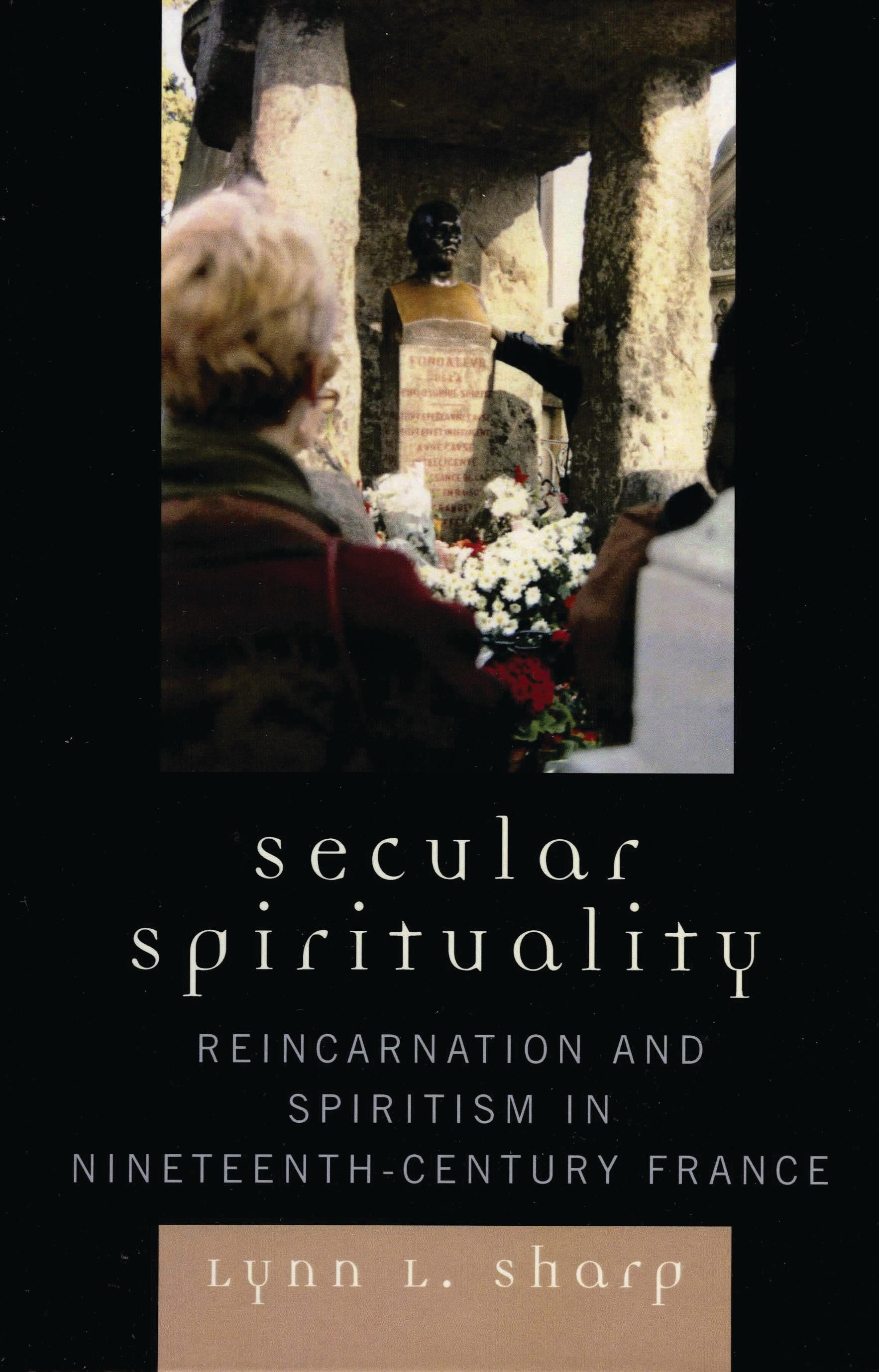
Secular Spirituality challenges the traditional dichotomy between Enlightenment reason and religion. It follows French romantic socialists' and spiritists' search for a new spirituality based on reincarnation as a path to progress for individuals and society. Leaders like Allan Kardec argued for social reform; spiritist groups strove for equality; and women mediums challenged gender roles. Lynn L. Sharp looks closely at what it meant to practice spiritism, analyszing the movement's social and political critique and explaining the popularity of the new belief. She explores points of convergence and conflict in the interplay between spiritism and science, spiritism and psychology, and spiritism and the Catholic church to argue that the nineteenth century was not as "disenchanted" as has been thought. Secular Spirituality successfully places spiritism within a larger cultural conversation, going beyond the leaders of the movement to look at the way spiritism functioned for its followers.
Betal enkelt med kort, Klarna, Apple Pay eller Google Pay. Ikke fornøyd? Du har alltid 14 dagers angrerett. Les mer i våre vilkår. Har du spørsmål, send oss en e-post på hello@memmo.org.
Memmo gjør det enklere å studere – uansett hvor du er i verden. Hos oss samler du pensumbøker og smarte studieverktøy på ett og samme sted: sammendrag, quizer, podkaster og flashcards. Og så Ted, din studiekompis som svarer på alt du lurer på. Over 50 000 studenter studerer allerede her – bygget for at du skal lære raskere og stresse mindre.