
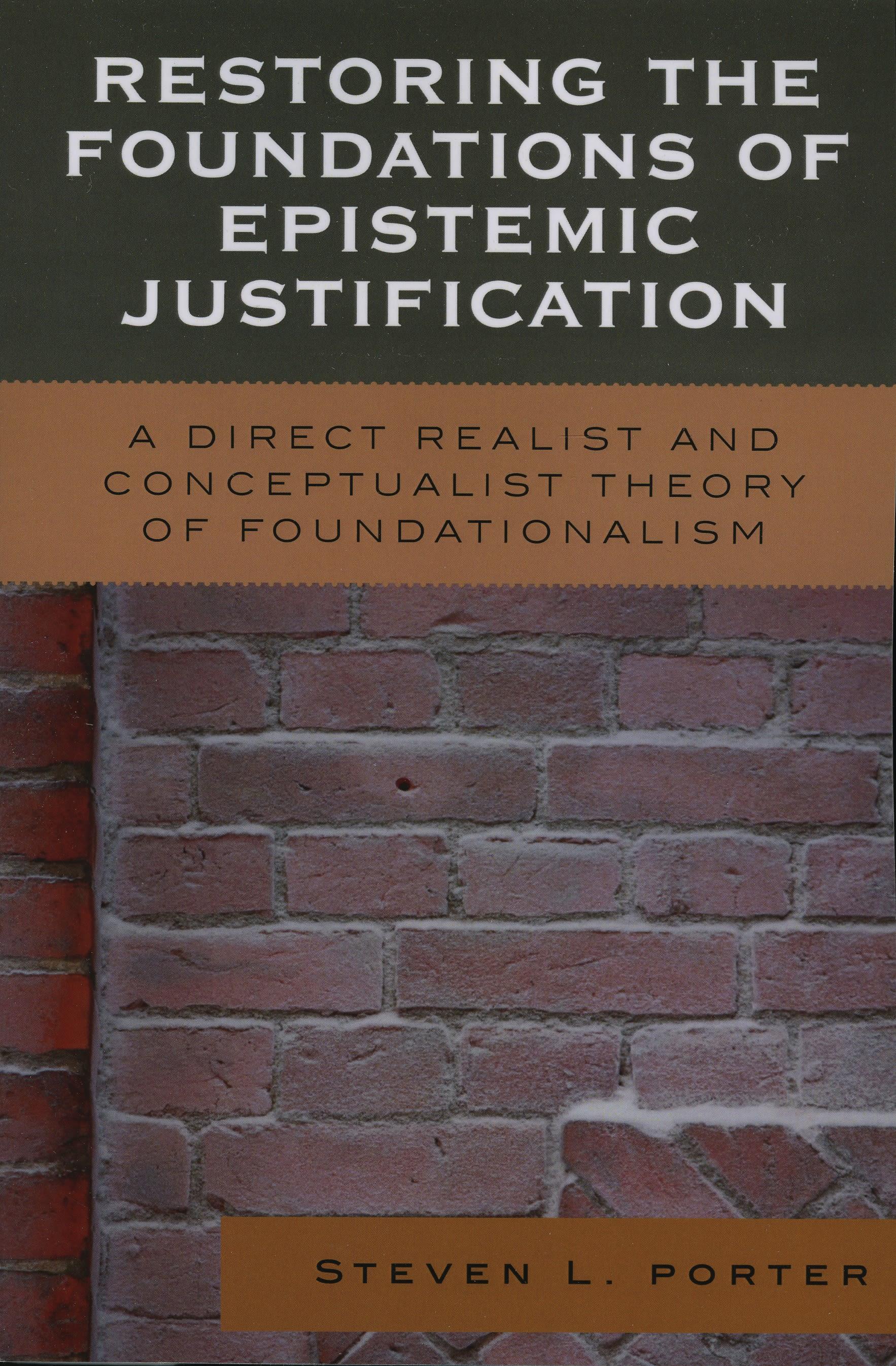
Foundationalism, as a theory of justification and knowledge, is often associated with Enlightenment rationality, the Cartesian thirst for certainty, and the modern assumption of the objectivity and universality of reason. Because of these associations, scholars in various fields have disdained foundationalism in favor of some sort of non-foundationalist/post-modern approach to knowledge and justification. This present book is one piece of a much wider conversation that hopes to motivate a renewed look at foundationalism. Of course, the foundationalism on offer has settled down quite a bit from its surly forbears. This more mild-mannered foundationalism suggests that our beliefs about reality can be held with confidence and yet these beliefs remain open to criticism and revision. It is this type of epistemology that provides a constructive basis for investigation and research while nevertheless encouraging a cognitive humility about our claims to possess truth.
Betal enkelt med kort, Klarna, Apple Pay eller Google Pay. Ikke fornøyd? Du har alltid 14 dagers angrerett. Les mer i våre vilkår. Har du spørsmål, send oss en e-post på hello@memmo.org.
Memmo gjør det enklere å studere – uansett hvor du er i verden. Hos oss samler du pensumbøker og smarte studieverktøy på ett og samme sted: sammendrag, quizer, podkaster og flashcards. Og så Ted, din studiekompis som svarer på alt du lurer på. Over 50 000 studenter studerer allerede her – bygget for at du skal lære raskere og stresse mindre.