
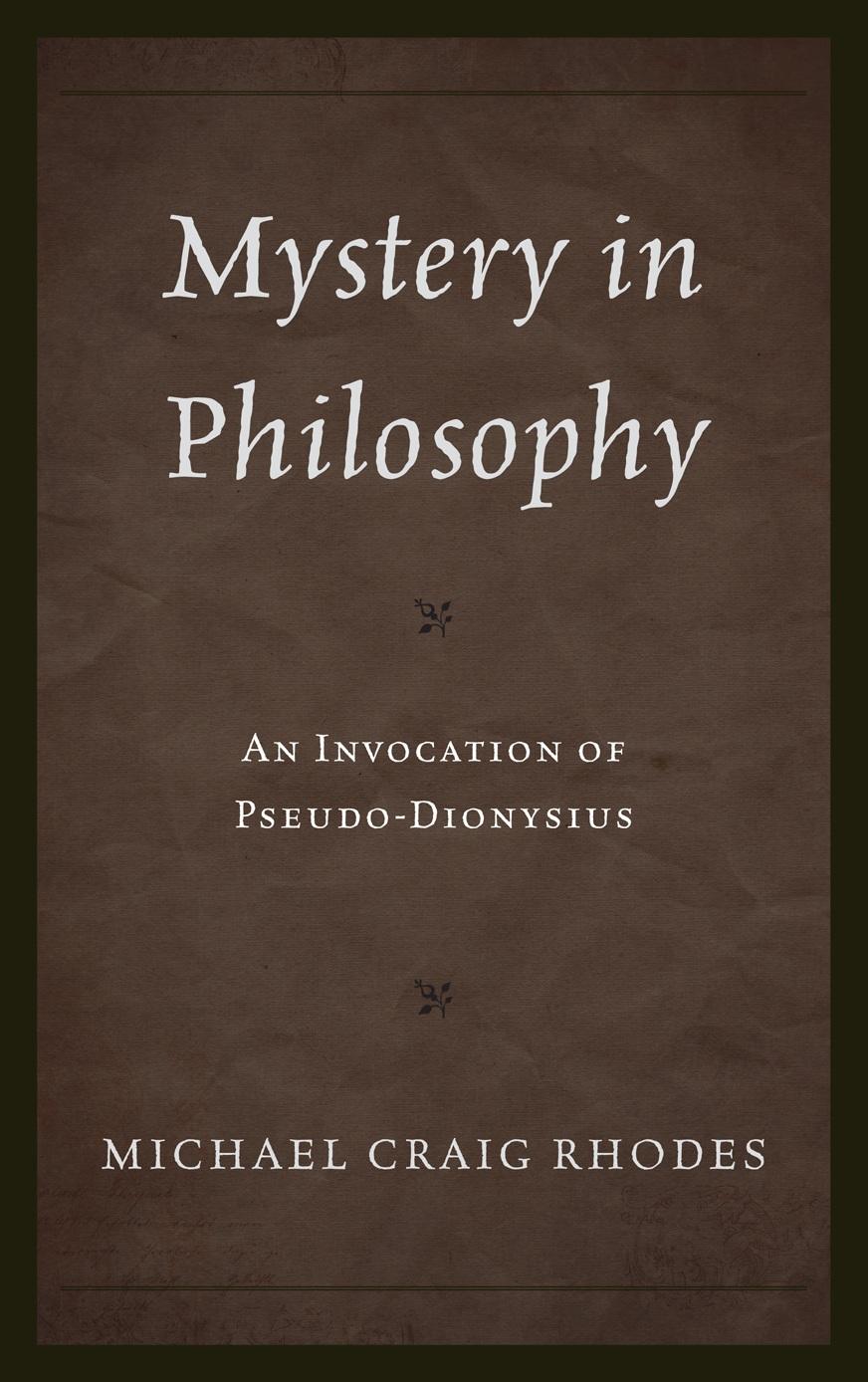
Typically, mystery does not receive much attention in philosophy. Although Heidegger and other key philosophers have made a place for mystery in philosophy, many find such philosophizing suspect and unconvincing. As a general rule, contemporary philosophers have taken a different approach, and, thus, there has been very little discussion of mystery in philosophy. As a study of mystery in philosophy, this book is therefore somewhat unique. Moreover, it is also distinctive in the way it approaches the subject, tuning to an unpopular figure—Dionysius the Areopagite (c. 500)—in contemporary philosophy in effort to make connections between that form of thought and various claims and indications of mystery. Thus, the book is unconventional in terms of both its subject matter and its methodology.
Betal enkelt med kort, Klarna, Apple Pay eller Google Pay. Ikke fornøyd? Du har alltid 14 dagers angrerett. Les mer i våre vilkår. Har du spørsmål, send oss en e-post på hello@memmo.org.
Memmo gjør det enklere å studere – uansett hvor du er i verden. Hos oss samler du pensumbøker og smarte studieverktøy på ett og samme sted: sammendrag, quizer, podkaster og flashcards. Og så Ted, din studiekompis som svarer på alt du lurer på. Over 50 000 studenter studerer allerede her – bygget for at du skal lære raskere og stresse mindre.