
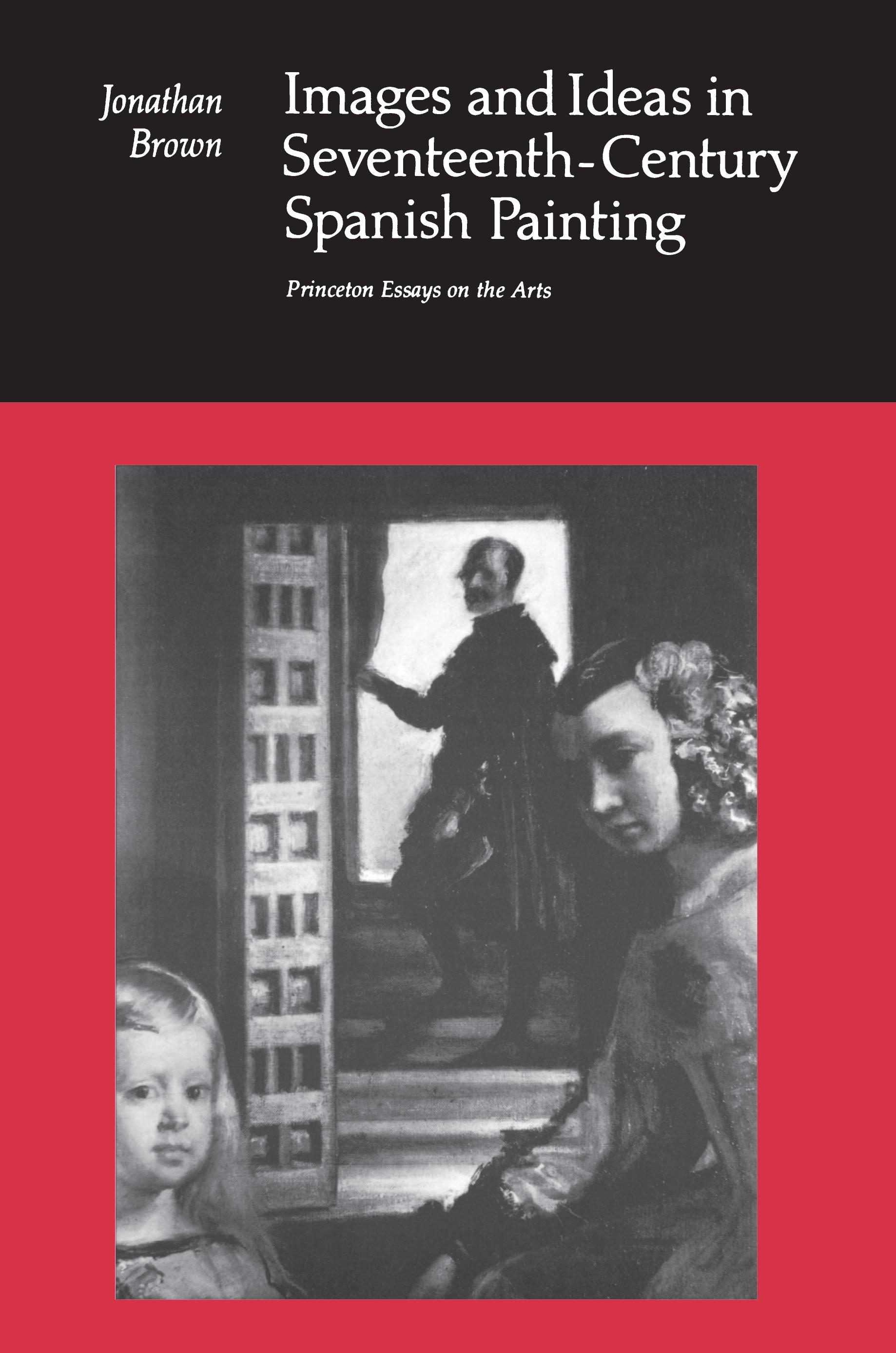
Art historians have often minimized the variety and complexity of seventeenth-century Spanish painting by concentrating on individual artists and their works and by stressing discovery of new information rather than interpretation. As a consequence, the painter emerges in isolation from the forces that shaped his work. Jonathan Brown offers another approach to the subject by relating important Spanish Baroque paintings and painters to their cultural milieu.
A critical survey of the historiography of seventeenth-century Spanish painting introduces this two-part collection of essays. Part One provides the most detailed study to date of the artistic-literary academy of Francisco Pacheco, and Part Two contains original studies of four major painters and their works: Las Meninas of Velázquez, Zurbarán's decoration of the sacristy at Guadalupe, and the work by Murillo and Valdés Leal for the Brotherhood of Charity, Seville. The essays are unified by the author's intention to show how the artists interacted with and responded to the prevailing social, theological, and historical currents of the time. While this contextual approach is not uncommon in the study of European art, it is newly applied here to restore some of the diversity and substance that Spanish Baroque painting originally possessed.
Betal enkelt med kort, Klarna, Apple Pay eller Google Pay. Ikke fornøyd? Du har alltid 14 dagers angrerett. Les mer i våre vilkår. Har du spørsmål, send oss en e-post på hello@memmo.org.
Memmo gjør det enklere å studere – uansett hvor du er i verden. Hos oss samler du pensumbøker og smarte studieverktøy på ett og samme sted: sammendrag, quizer, podkaster og flashcards. Og så Ted, din studiekompis som svarer på alt du lurer på. Over 50 000 studenter studerer allerede her – bygget for at du skal lære raskere og stresse mindre.