
Bridging the social and life sciences to unlock the mystery of how cities shape mental health and illness
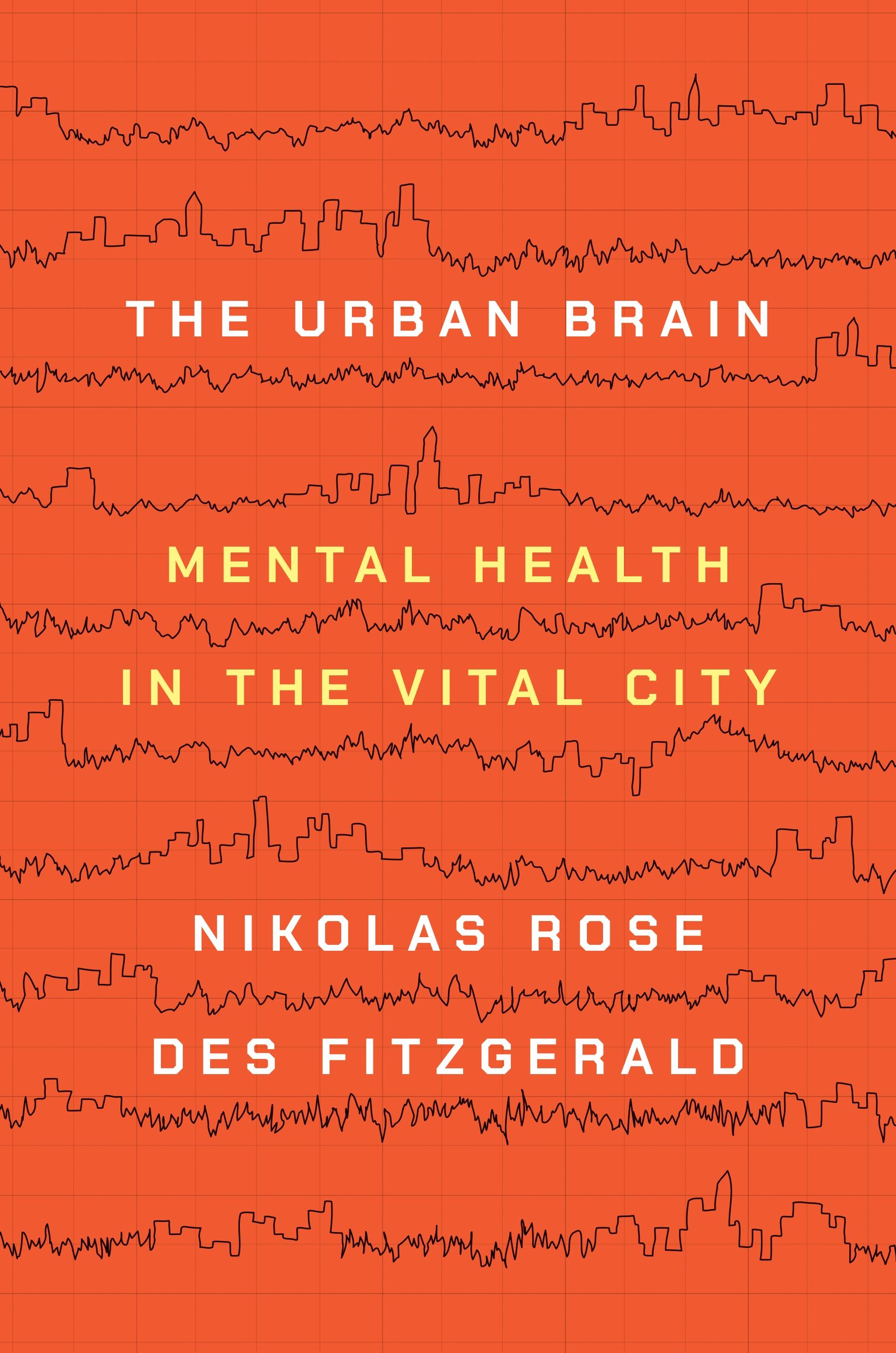
Most of the world’s people now live in cities and millions have moved from the countryside to the rapidly growing megacities of the global south. How does the urban experience shape the mental lives of those living in and moving to cities today? Sociologists study cities as centers of personal progress and social innovation, but also exclusion, racism, and inequality. Psychiatrists try to explain the high rates of mental disorders among urban dwellers, especially migrants. But the split between the social and life sciences has hindered understanding of how urban experience is written into the bodies and brains of urbanites. In The Urban Brain, Nikolas Rose and Des Fitzgerald seek to revive the collaboration between sociology and psychiatry about these critical questions. Reexamining the relationship between the city and the brain, Rose and Fitzgerald explore the ways cities shape the mental health and illness of those who inhabit them.
Drawing on the social and life sciences, The Urban Brain takes an ecosocial approach to the vital city, in which humans live and thrive but too often get sick and suffer. The result demonstrates what we can gain by a vitalist approach to the mental lives of those migrating to and living in cities, focusing on the ways that humans make, remake, and inhabit their urban lifeworlds.
Betal enkelt med kort, Klarna, Apple Pay eller Google Pay. Ikke fornøyd? Du har alltid 14 dagers angrerett. Les mer i våre vilkår. Har du spørsmål, send oss en e-post på hello@memmo.org.
Memmo gjør det enklere å studere – uansett hvor du er i verden. Hos oss samler du pensumbøker og smarte studieverktøy på ett og samme sted: sammendrag, quizer, podkaster og flashcards. Og så Ted, din studiekompis som svarer på alt du lurer på. Over 50 000 studenter studerer allerede her – bygget for at du skal lære raskere og stresse mindre.