
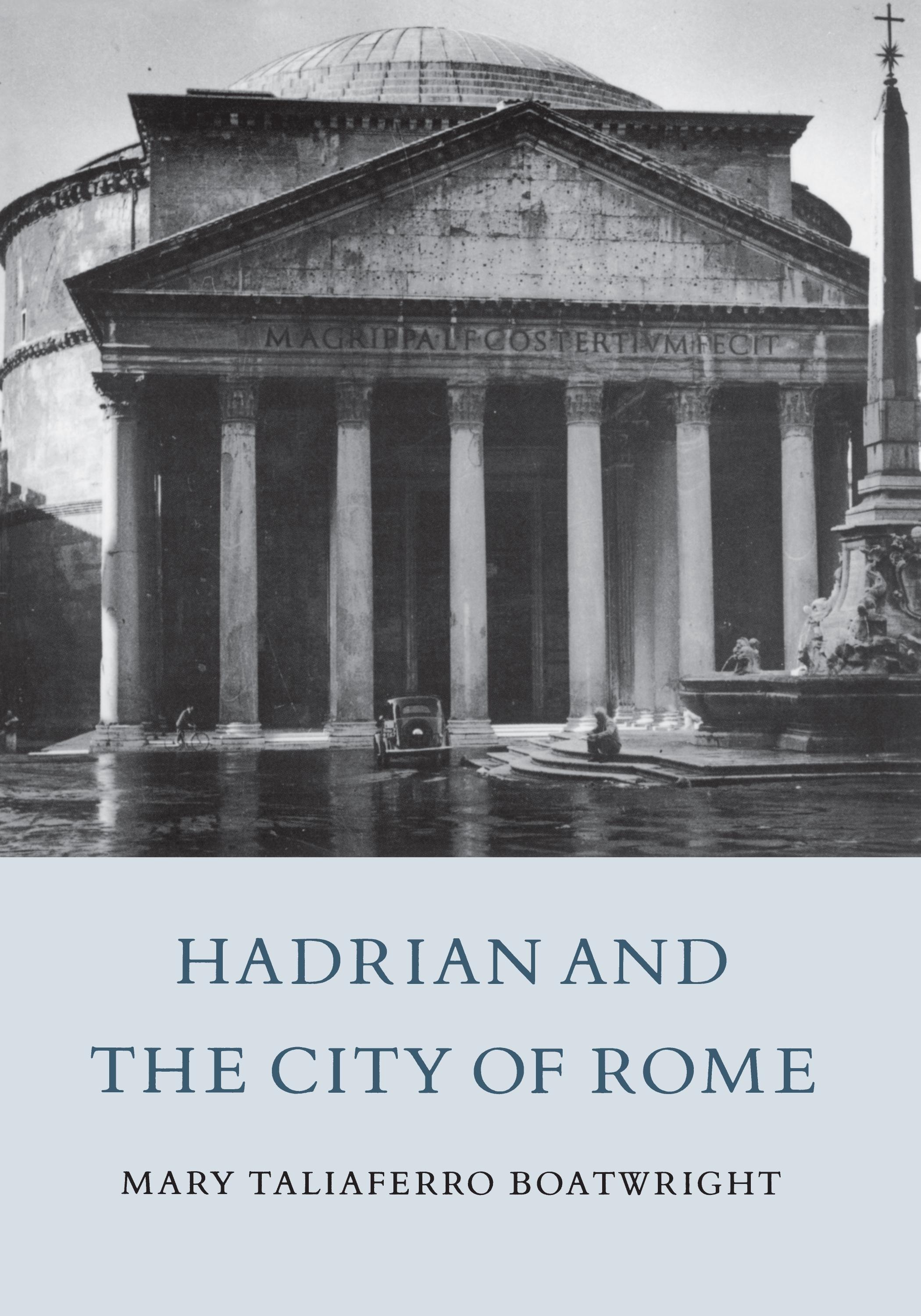
How Hadrian left an enduring mark on the architecture and urban topography of ancient Rome
The Pantheon, the Temple of Venus and Roma, Hadrian’s Mausoleum transformed into Castel Sant’Angelo, and his villa at Tivoli epitomize for many the power and resources of Rome at its zenith. Because other urban changes during Hadrian’s principate (A.D. 117–138) left less visible traces, however, few people realize how powerfully he transformed the capital city not only by erecting these and other monumental edifices but also by renovating buildings, even entire districts, and by reorganizing the building industry and neighborhood life. Mary Taliaferro Boatwright compiles and assesses the varied evidence for Hadrian’s buildings and his administrative changes and evaluates his effect on the capital city in a topographical and historical context. A comprehensive catalogue follows the illustrated text.
Betal enkelt med kort, Klarna, Apple Pay eller Google Pay. Ikke fornøyd? Du har alltid 14 dagers angrerett. Les mer i våre vilkår. Har du spørsmål, send oss en e-post på hello@memmo.org.
Memmo gjør det enklere å studere – uansett hvor du er i verden. Hos oss samler du pensumbøker og smarte studieverktøy på ett og samme sted: sammendrag, quizer, podkaster og flashcards. Og så Ted, din studiekompis som svarer på alt du lurer på. Over 50 000 studenter studerer allerede her – bygget for at du skal lære raskere og stresse mindre.