
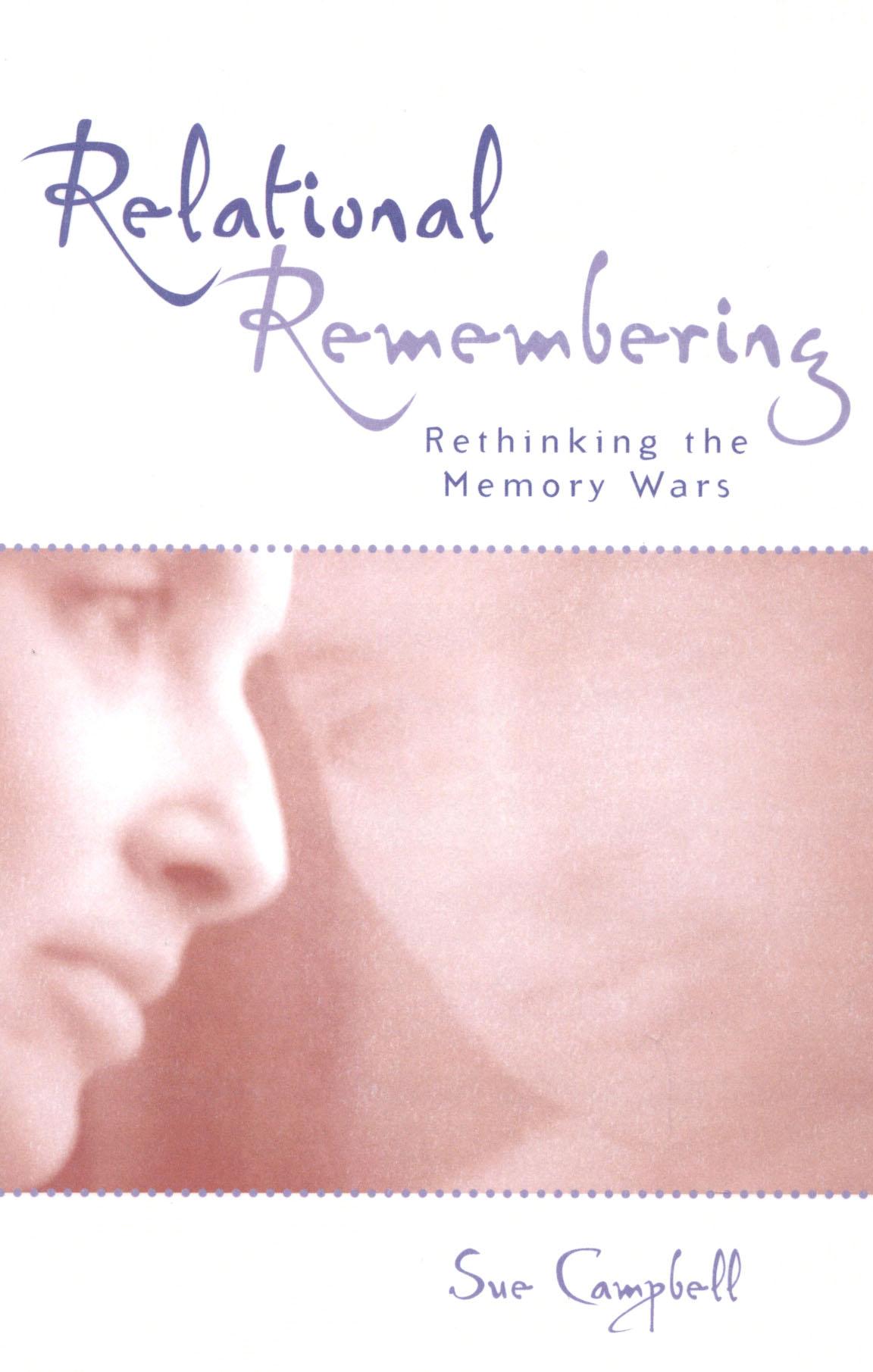
Tracing the impact of the "memory wars" on science and culture, Relational Remembering offers a vigorous philosophical challenge to the contemporary skepticism about memory that is their legacy. Campbell's work provides a close conceptual analysis of the strategies used to challenge women's memories, particularly those meant to provoke a general social alarm about suggestibility. Sue Campbell argues that we cannot come to an adequate understanding of the nature and value of memory through a distorted view of rememberers.
The harmful stereotypes of women's passivity and instability that have repopulated discussions of abuse have led many theorists to regard the social dimensions of remembering only negatively, as a threat or contaminant to memory integrity. Such models of memory cannot help us grasp the nature of harms linked to oppression, as these models imply that changed group understandings of the past are incompatible with the integrity of personal memory. Campbell uses the false memory debates to defend a feminist reconceptualization of personal memory as relational, social, and subject to politics. Memory is analyzed as a complex of cognitive abilities and social/narrative activities where one's success or failure as a rememberer is both affected by one's social location and has profound ramifications for one's cultural status as a moral agent.
The harmful stereotypes of women's passivity and instability that have repopulated discussions of abuse have led many theorists to regard the social dimensions of remembering only negatively, as a threat or contaminant to memory integrity. Such models of memory cannot help us grasp the nature of harms linked to oppression, as these models imply that changed group understandings of the past are incompatible with the integrity of personal memory. Campbell uses the false memory debates to defend a feminist reconceptualization of personal memory as relational, social, and subject to politics. Memory is analyzed as a complex of cognitive abilities and social/narrative activities where one's success or failure as a rememberer is both affected by one's social location and has profound ramifications for one's cultural status as a moral agent.
Betal enkelt med kort, Klarna, Apple Pay eller Google Pay. Ikke fornøyd? Du har alltid 14 dagers angrerett. Les mer i våre vilkår. Har du spørsmål, send oss en e-post på hello@memmo.org.
Memmo gjør det enklere å studere – uansett hvor du er i verden. Hos oss samler du pensumbøker og smarte studieverktøy på ett og samme sted: sammendrag, quizer, podkaster og flashcards. Og så Ted, din studiekompis som svarer på alt du lurer på. Over 50 000 studenter studerer allerede her – bygget for at du skal lære raskere og stresse mindre.