
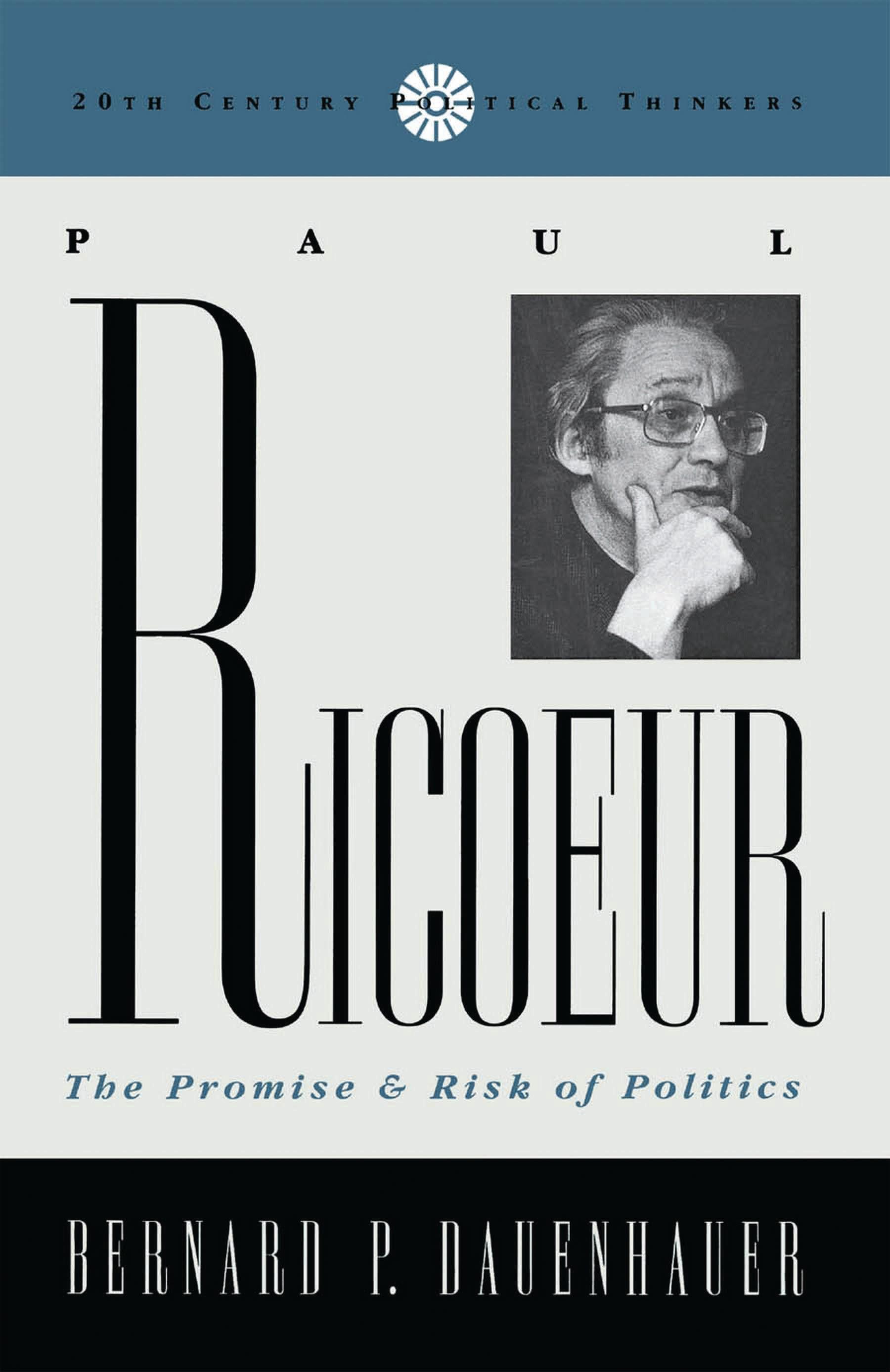
Paul Ricoeur, with Rawls, Walzer, and Habermas as some of his main interlocutors, has developed a substantial and distinctive body of political thought. On the one hand, it articulates a rich conception of the paradoxical character of the domain of politics. On the other, it provides a fresh approach to such major topics as the relationship among politics, economics, and ethics and between concern for universal human rights and respect for cultural plurality. His work, rooted as it is in Aristotle, Kant, and Hegel, also provides resources for a fruitful rethinking of the issues at stake in the liberal-communitarian debate.
Betal enkelt med kort, Klarna, Apple Pay eller Google Pay. Ikke fornøyd? Du har alltid 14 dagers angrerett. Les mer i våre vilkår. Har du spørsmål, send oss en e-post på hello@memmo.org.
Memmo gjør det enklere å studere – uansett hvor du er i verden. Hos oss samler du pensumbøker og smarte studieverktøy på ett og samme sted: sammendrag, quizer, podkaster og flashcards. Og så Ted, din studiekompis som svarer på alt du lurer på. Over 50 000 studenter studerer allerede her – bygget for at du skal lære raskere og stresse mindre.