
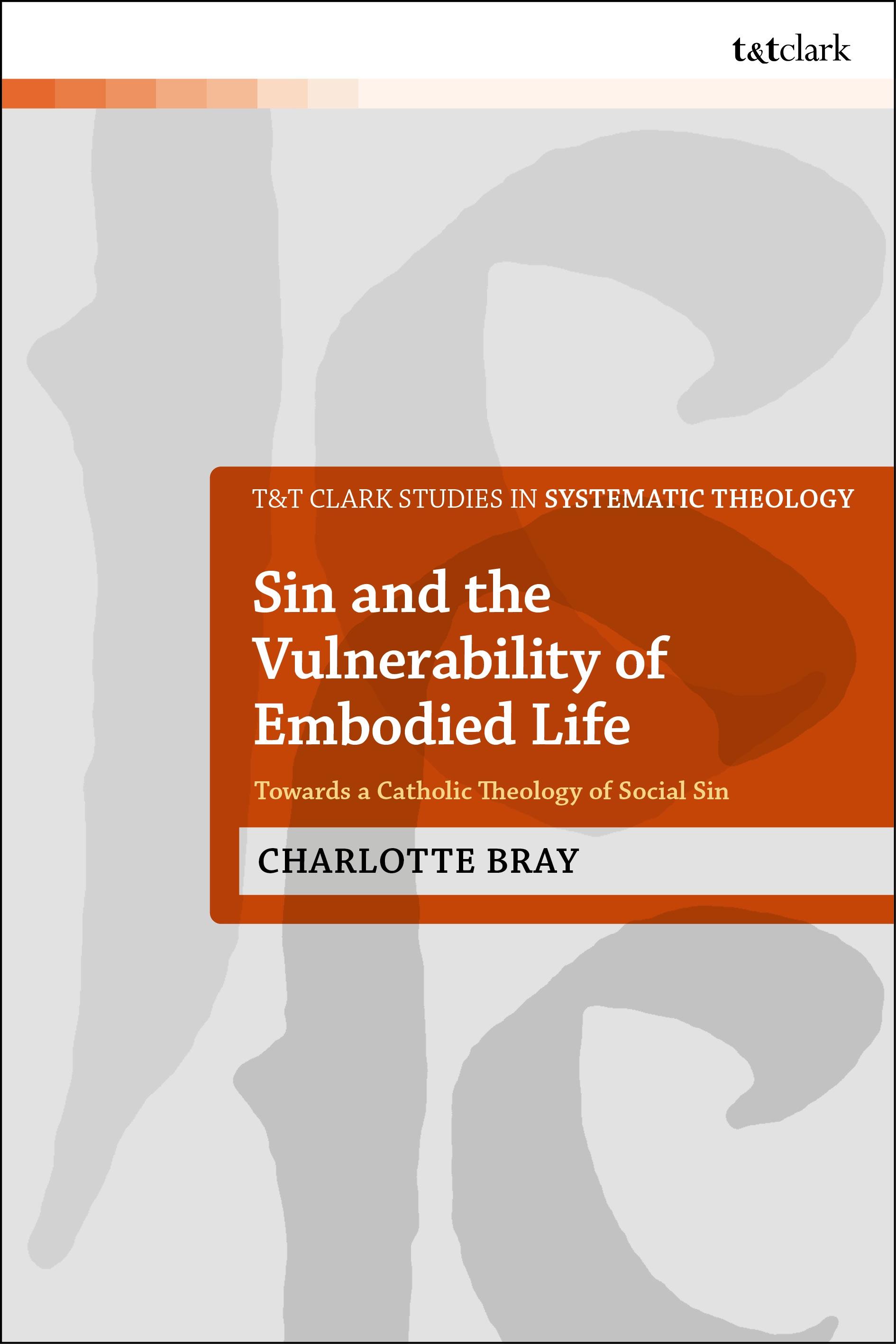
This book explores how Catholics should speak about sin and grace in a world where structural injustice holds sway causing violence and harm. Bray brings diverse voices into creative dialogue to explore why unjust social situations can properly be called sin from a Catholic theological perspective, and how this sin can be understood to impact one's agency, freedom, and historical condition vis-à-vis God.
Discussing disparate thinkers such as John Paul II, Judith Butler, Thomas Aquinas, and key Latin American liberation theologians, Bray deepens and constructively develops the Catholic understanding of social sin. She argues that the language of social sin presents us with an idea more theologically profound than just the identification of structural injustice; it depicts the power of collective human sinfulness to shape our lives and environments in ways which harm our relations with God, one another, and the rest of the created world.
Discussing disparate thinkers such as John Paul II, Judith Butler, Thomas Aquinas, and key Latin American liberation theologians, Bray deepens and constructively develops the Catholic understanding of social sin. She argues that the language of social sin presents us with an idea more theologically profound than just the identification of structural injustice; it depicts the power of collective human sinfulness to shape our lives and environments in ways which harm our relations with God, one another, and the rest of the created world.
Betal enkelt med kort, Klarna, Apple Pay eller Google Pay. Ikke fornøyd? Du har alltid 14 dagers angrerett. Les mer i våre vilkår. Har du spørsmål, send oss en e-post på hello@memmo.org.
Memmo gjør det enklere å studere – uansett hvor du er i verden. Hos oss samler du pensumbøker og smarte studieverktøy på ett og samme sted: sammendrag, quizer, podkaster og flashcards. Og så Ted, din studiekompis som svarer på alt du lurer på. Over 50 000 studenter studerer allerede her – bygget for at du skal lære raskere og stresse mindre.