
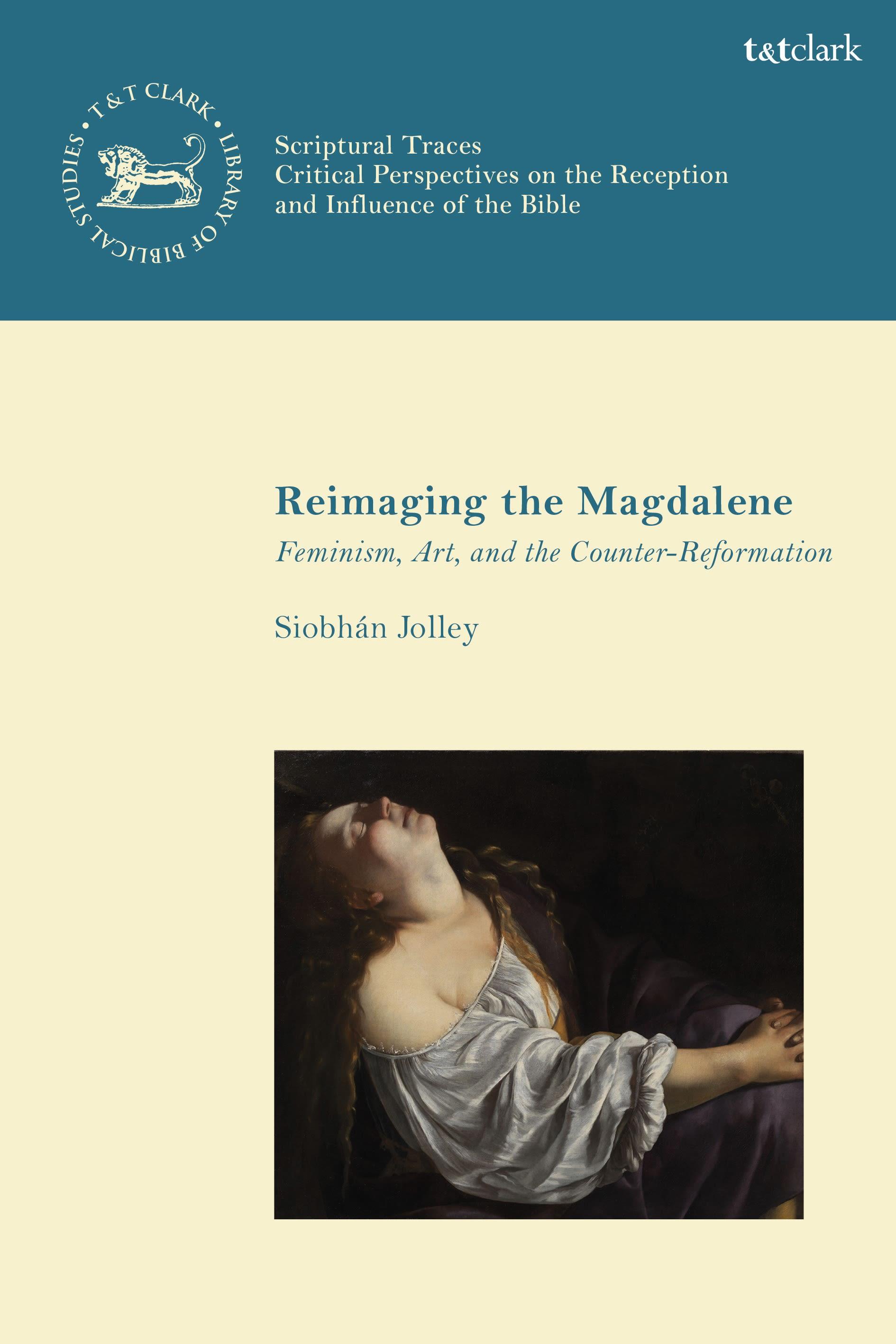
This book offers a new, intersectional feminist approach to utilising and interpreting the visual reception of Mary Magdalene. Through employment of Liberative Reception Criticism, which develops traditional reception theory in line with liberative hermeneutics, via the insights of intersectionality as critical theory, Siobhán Jolley provides a novel means of analysing how women, and particularly the Magdalene, are imaged in Christian tradition.
Knowledge of both the biblical figure of Mary Magdalene and her cultural reception continue to be dominated by long-discredited ideas about her life and sexuality, which bear the hallmarks of their development under patriarchy. Through close study of relevant biblical texts and extracanonical accounts, and a comprehensive survey of the Magdalene's presentation in the Italian art of the Counter-Reformation, Jolley demonstrates that the patriarchal portrayal of the Magdalene as a sexualised penitent and mournful witness to the resurrection is sustained by its mythic attachment to biblical text. Rather than adopting the same tropes uncritically, we are invited to look again at artworks and related texts in order to explore what happens when the influence of patriarchy is actively and intersectionally resisted. Ultimately, the Magdalene is transformed from a reductive and patriarchally mythologised figure to a multidimensional character, who is relatable and liberative as an exemplar.
Knowledge of both the biblical figure of Mary Magdalene and her cultural reception continue to be dominated by long-discredited ideas about her life and sexuality, which bear the hallmarks of their development under patriarchy. Through close study of relevant biblical texts and extracanonical accounts, and a comprehensive survey of the Magdalene's presentation in the Italian art of the Counter-Reformation, Jolley demonstrates that the patriarchal portrayal of the Magdalene as a sexualised penitent and mournful witness to the resurrection is sustained by its mythic attachment to biblical text. Rather than adopting the same tropes uncritically, we are invited to look again at artworks and related texts in order to explore what happens when the influence of patriarchy is actively and intersectionally resisted. Ultimately, the Magdalene is transformed from a reductive and patriarchally mythologised figure to a multidimensional character, who is relatable and liberative as an exemplar.
Betal enkelt med kort, Klarna, Apple Pay eller Google Pay. Ikke fornøyd? Du har alltid 14 dagers angrerett. Les mer i våre vilkår. Har du spørsmål, send oss en e-post på hello@memmo.org.
Memmo gjør det enklere å studere – uansett hvor du er i verden. Hos oss samler du pensumbøker og smarte studieverktøy på ett og samme sted: sammendrag, quizer, podkaster og flashcards. Og så Ted, din studiekompis som svarer på alt du lurer på. Over 50 000 studenter studerer allerede her – bygget for at du skal lære raskere og stresse mindre.