
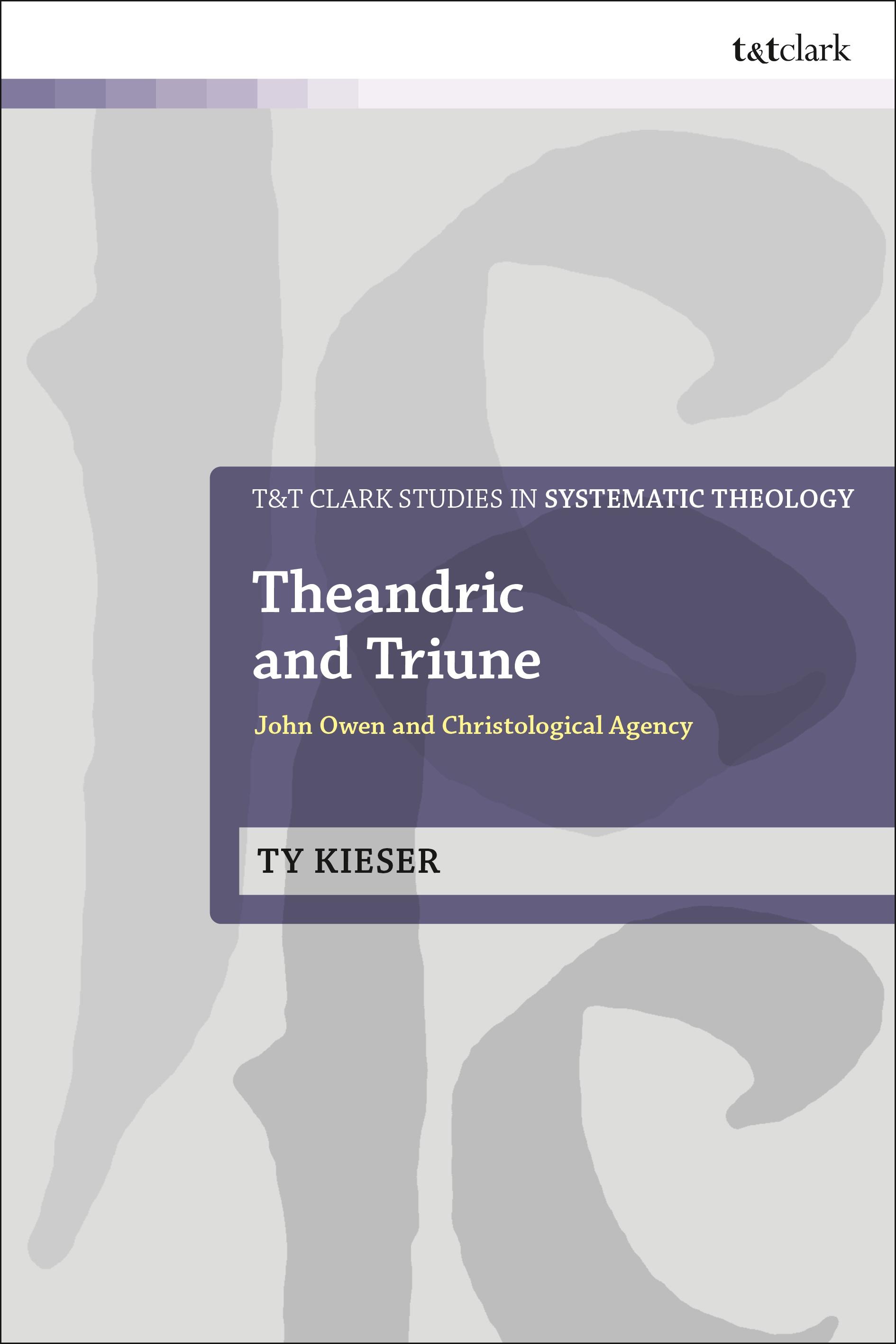
Describing Jesus as an “agent” of divine actions, or as one who possesses human “agency,” is commonplace in christological discussions. Yet these discussions often wade in a shallow understanding of the terms' meanings and the theological implications of such claims. For example, while many theologians who are committed to the definition of Chalcedon consider Jesus one agent, we might ask if this implies that the triune God comprises “three agents?” Or, if Christ possesses “singular agency,” how are his divinity and humanity operative in his actions?
In response, this work draws from the theology of John Owen and advancements in philosophy of action in order to offer an account of divine and human agency in christological action from within the Reformed tradition. It provides clarity to the christological and trinitarian uses of the language of “agent/agency” in Christ and attends to the theological (esp. trinitarian) entailments therein. While at first glance there may appear to be internal inconsistencies with accounts that subscribe to classical trinitarianism and Reformed Christological agency, this book argues that Owen helps us recover an understanding of christological agency that is internally coherent and theologically prudent. As such the Reformed tradition can articulate Christological “agency” in a way that is coherent with the testimony of Scripture, the ecumenical councils, and classical trinitarianism while contributing to contemporary theological discussions. The case not only provides terminological clarity and theological coherence, but also inclines Christians to appreciate the trinitarian love of God in Christ's action and the human sympathy of Christ for his people.
In response, this work draws from the theology of John Owen and advancements in philosophy of action in order to offer an account of divine and human agency in christological action from within the Reformed tradition. It provides clarity to the christological and trinitarian uses of the language of “agent/agency” in Christ and attends to the theological (esp. trinitarian) entailments therein. While at first glance there may appear to be internal inconsistencies with accounts that subscribe to classical trinitarianism and Reformed Christological agency, this book argues that Owen helps us recover an understanding of christological agency that is internally coherent and theologically prudent. As such the Reformed tradition can articulate Christological “agency” in a way that is coherent with the testimony of Scripture, the ecumenical councils, and classical trinitarianism while contributing to contemporary theological discussions. The case not only provides terminological clarity and theological coherence, but also inclines Christians to appreciate the trinitarian love of God in Christ's action and the human sympathy of Christ for his people.
Betal enkelt med kort, Klarna, Apple Pay eller Google Pay. Ikke fornøyd? Du har alltid 14 dagers angrerett. Les mer i våre vilkår. Har du spørsmål, send oss en e-post på hello@memmo.org.
Memmo gjør det enklere å studere – uansett hvor du er i verden. Hos oss samler du pensumbøker og smarte studieverktøy på ett og samme sted: sammendrag, quizer, podkaster og flashcards. Og så Ted, din studiekompis som svarer på alt du lurer på. Over 50 000 studenter studerer allerede her – bygget for at du skal lære raskere og stresse mindre.