
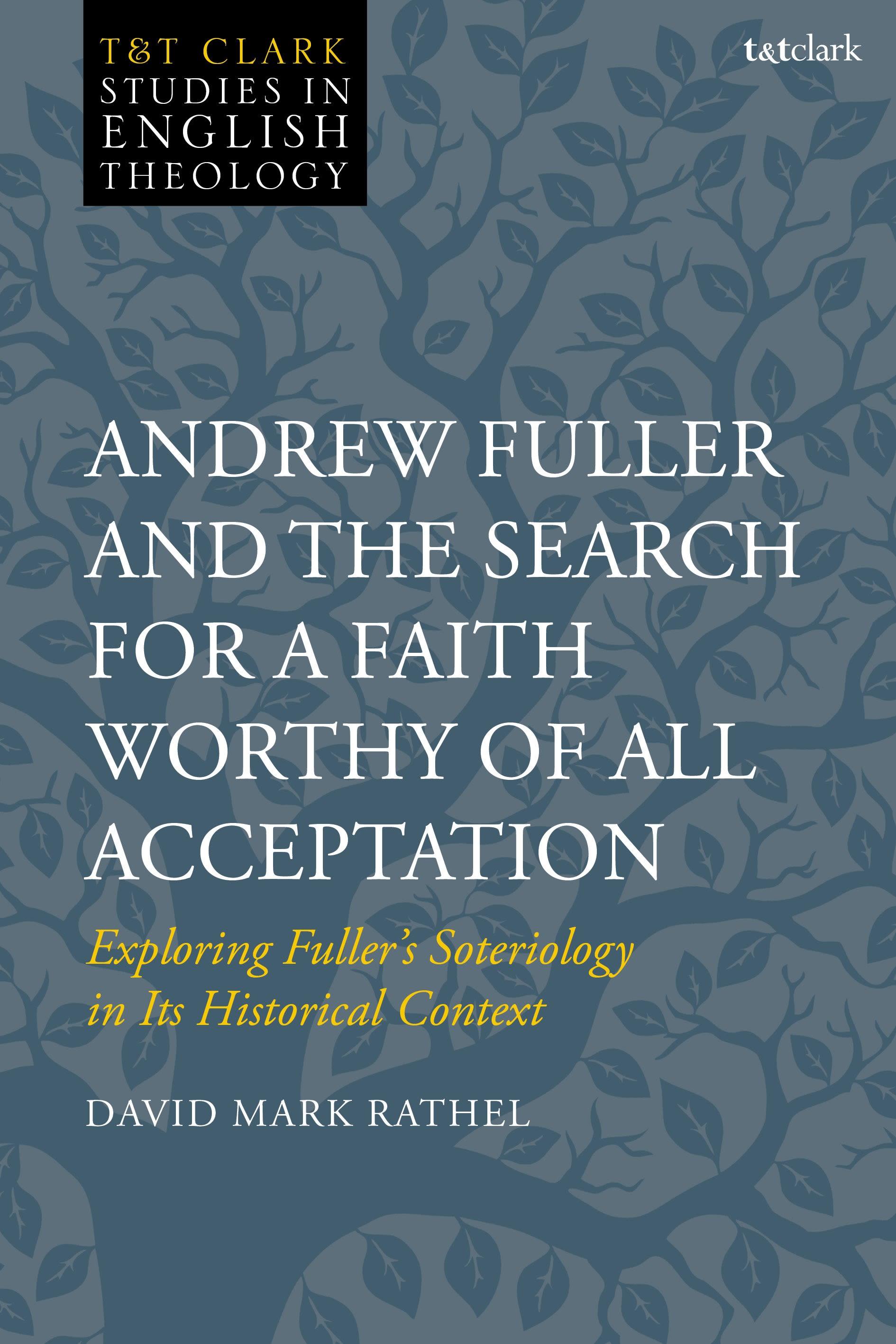
The eighteenth-century English minister Andrew Fuller lived a consequential life, debating noteworthy contemporaries such as Thomas Paine and contributing to the pioneering international work of William Carey. However, his soteriology remains his most significant theological contribution. Fuller explored the role that human agency plays in salvation's reception, and he offered substantive theological proposals that many religious historians now credit with advancing the Evangelical Revival. Fuller's work was both traditional and creative. He sought faithfulness to the broader Protestant tradition but developed that tradition in unique and contextually relevant ways.
Despite Fuller's influence, much research into his life and work remains. Andrew Fuller and the Search for a Faith Worthy of All Acceptation examines heretofore underutilized primary sources related to Fuller's theological development. It attends to neglected texts produced by Fuller's opponents and mentors.
Analysing these sources provides a fresh reading of Fuller's historical setting, one that contextualizes his theology and illuminates his constructive work on faith as a human response to the Gospel. This new interpretation allows scholars to discern more accurately the concepts that animated Fuller, the persons he sought to refute, and the sources on which he relied. This interpretation of Fuller challenges assumptions in contemporary scholarship and raises new questions for further research.
Despite Fuller's influence, much research into his life and work remains. Andrew Fuller and the Search for a Faith Worthy of All Acceptation examines heretofore underutilized primary sources related to Fuller's theological development. It attends to neglected texts produced by Fuller's opponents and mentors.
Analysing these sources provides a fresh reading of Fuller's historical setting, one that contextualizes his theology and illuminates his constructive work on faith as a human response to the Gospel. This new interpretation allows scholars to discern more accurately the concepts that animated Fuller, the persons he sought to refute, and the sources on which he relied. This interpretation of Fuller challenges assumptions in contemporary scholarship and raises new questions for further research.
Betal enkelt med kort, Klarna, Apple Pay eller Google Pay. Ikke fornøyd? Du har alltid 14 dagers angrerett. Les mer i våre vilkår. Har du spørsmål, send oss en e-post på hello@memmo.org.
Memmo gjør det enklere å studere – uansett hvor du er i verden. Hos oss samler du pensumbøker og smarte studieverktøy på ett og samme sted: sammendrag, quizer, podkaster og flashcards. Og så Ted, din studiekompis som svarer på alt du lurer på. Over 50 000 studenter studerer allerede her – bygget for at du skal lære raskere og stresse mindre.