
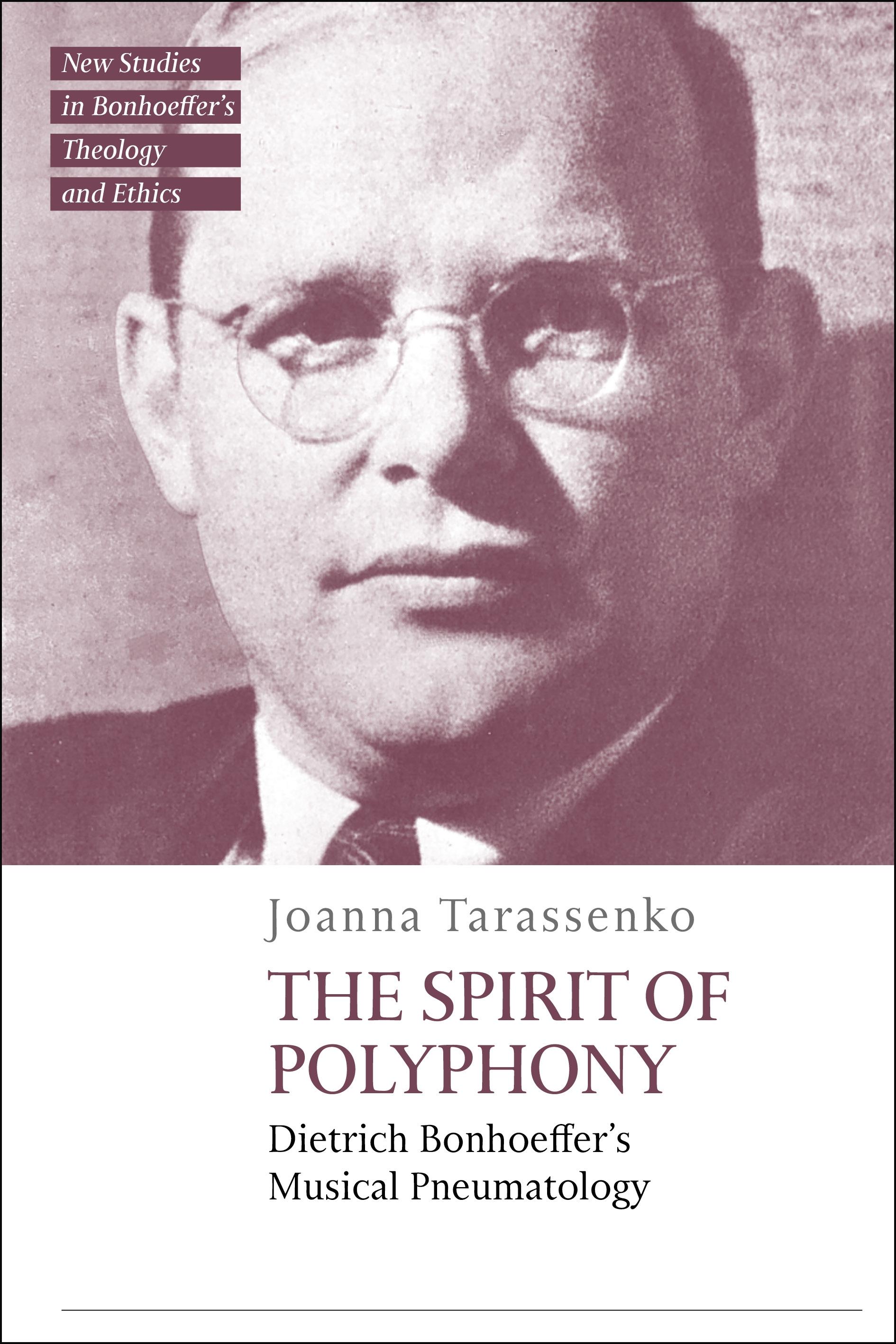
This book re-examines how Bonhoeffer employs musical patterns of thought and language to a theological end. It outlines how the significance of Bonhoeffer's musico-theology has not been sufficiently recognised, and sets the stage for a rigorous re-examination. It becomes clear that through the lens of his musical metaphor of polyphony, Bonhoeffer demonstrates how his account of Christian formation contains a latent pneumatology.
Tarassenko demonstrates that incorporation of this pneumatology is key in deepening one's understanding of Bonhoeffer. It allows the relationship between Christology and Christian formation in Bonhoeffer's thought to become fully realised. The appeal to polyphony articulates this pneumatology, as an indirect but nevertheless exceedingly successful means of contouring an account of the Spirit's work.
Tarassenko demonstrates that incorporation of this pneumatology is key in deepening one's understanding of Bonhoeffer. It allows the relationship between Christology and Christian formation in Bonhoeffer's thought to become fully realised. The appeal to polyphony articulates this pneumatology, as an indirect but nevertheless exceedingly successful means of contouring an account of the Spirit's work.
Betal enkelt med kort, Klarna, Apple Pay eller Google Pay. Ikke fornøyd? Du har alltid 14 dagers angrerett. Les mer i våre vilkår. Har du spørsmål, send oss en e-post på hello@memmo.org.
Memmo gjør det enklere å studere – uansett hvor du er i verden. Hos oss samler du pensumbøker og smarte studieverktøy på ett og samme sted: sammendrag, quizer, podkaster og flashcards. Og så Ted, din studiekompis som svarer på alt du lurer på. Over 50 000 studenter studerer allerede her – bygget for at du skal lære raskere og stresse mindre.