
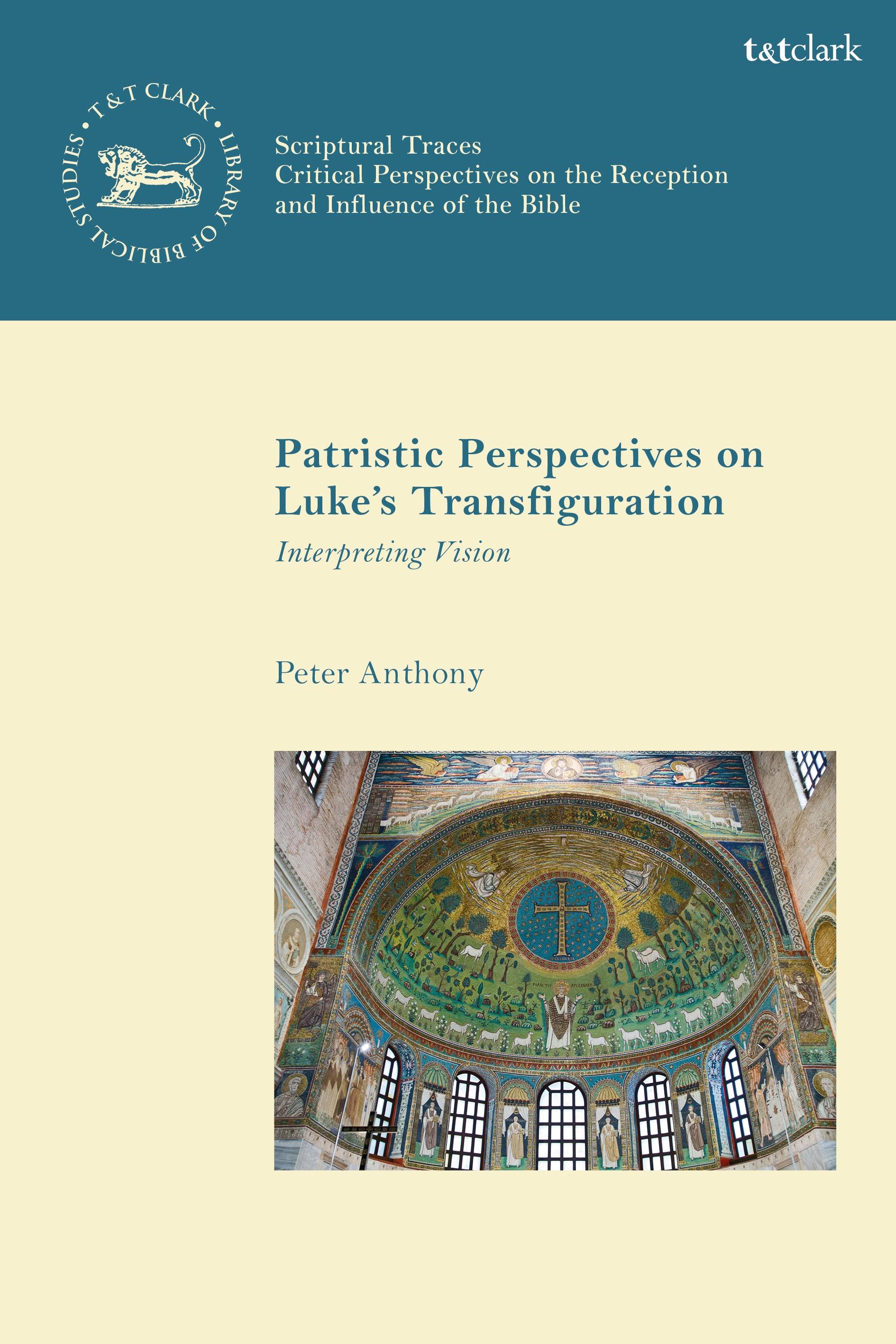
Peter Anthony explores how visionary elements in Luke's Gospel had a particular influence on early interpretation of the Transfiguration, by examining the rich hermeneutical traditions that emerged - particularly in the Latin West - as the Transfiguration was first depicted visually in art.
Anthony begins by comparing the visual and visionary culture of antiquity with that of the present, and their differing interpretations of the Transfiguration. He then examines the Transfiguration texts in the synoptic gospels and their interpretation in modern scholarship, and the reception of the Transfiguration in 2 Peter, the Apocalypse of Peter and the Acts of Peter, Tertullian and Origen. Proceeding to look at interpretations found in the Greek East and the Latin West, Anthony finally discusses the earliest visual depictions of the Transfiguration from the sixth century onward, drawn from a wealth of different art forms. Anthony concludes that early commentators' and artists' understanding of how we see and visualise, and therefore, how the Transfiguration was apprehended, is closer to that of the writers of the New Testament than many modern interpreters' is.
Anthony begins by comparing the visual and visionary culture of antiquity with that of the present, and their differing interpretations of the Transfiguration. He then examines the Transfiguration texts in the synoptic gospels and their interpretation in modern scholarship, and the reception of the Transfiguration in 2 Peter, the Apocalypse of Peter and the Acts of Peter, Tertullian and Origen. Proceeding to look at interpretations found in the Greek East and the Latin West, Anthony finally discusses the earliest visual depictions of the Transfiguration from the sixth century onward, drawn from a wealth of different art forms. Anthony concludes that early commentators' and artists' understanding of how we see and visualise, and therefore, how the Transfiguration was apprehended, is closer to that of the writers of the New Testament than many modern interpreters' is.
Betal enkelt med kort, Klarna, Apple Pay eller Google Pay. Ikke fornøyd? Du har alltid 14 dagers angrerett. Les mer i våre vilkår. Har du spørsmål, send oss en e-post på hello@memmo.org.
Memmo gjør det enklere å studere – uansett hvor du er i verden. Hos oss samler du pensumbøker og smarte studieverktøy på ett og samme sted: sammendrag, quizer, podkaster og flashcards. Og så Ted, din studiekompis som svarer på alt du lurer på. Over 50 000 studenter studerer allerede her – bygget for at du skal lære raskere og stresse mindre.