
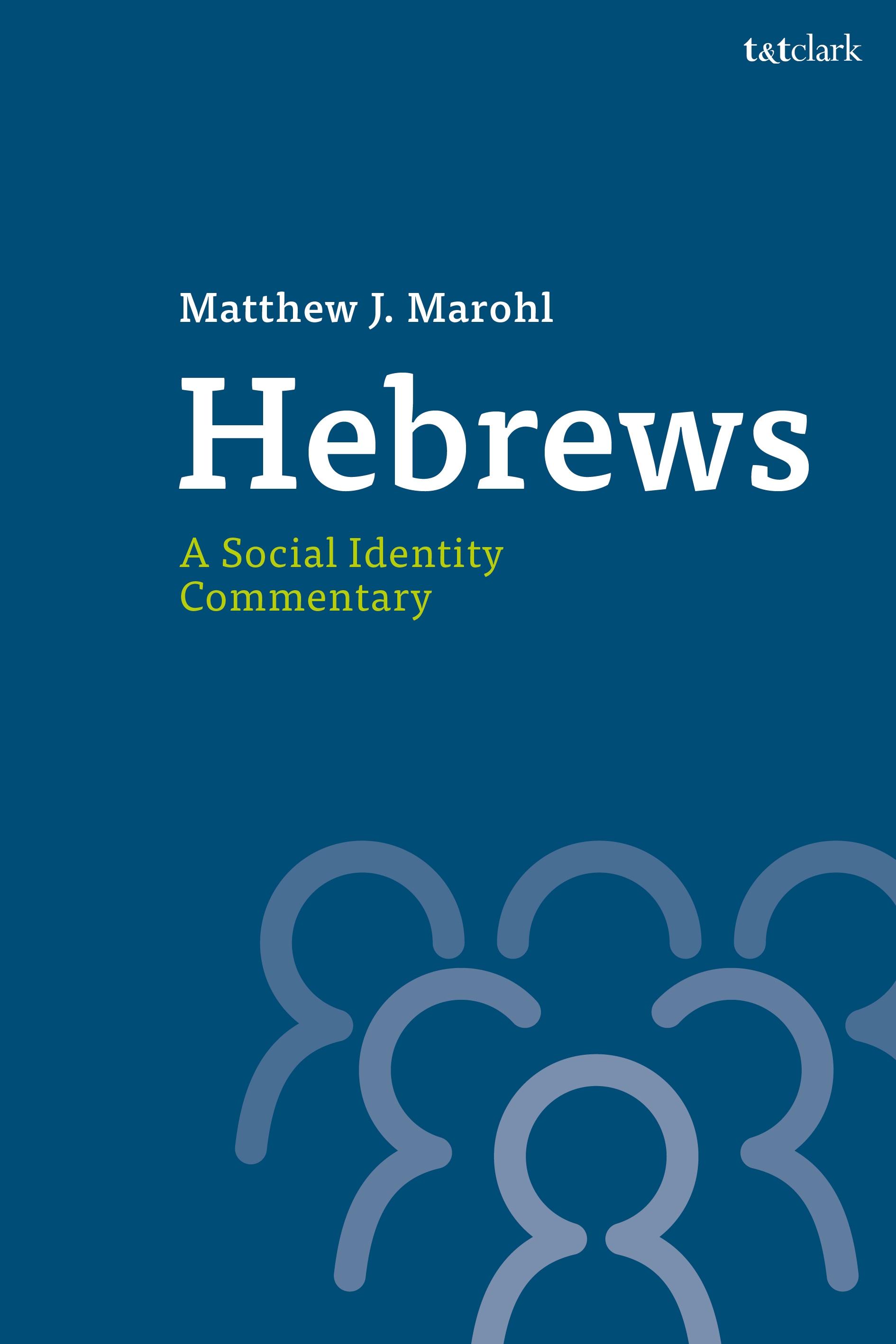
In this volume, Matthew J. Marohl introduces a culturally sensitive reading of Hebrews employing a social identity approach. This allows readers to encounter a unique and powerful depiction of the faithful Jesus and a dynamic group of Christ-followers called upon to maintain their faithfulness. In the end, this social identity approach reveals a work with two strands thoroughly intertwined.
Through the lens of conceptual blending theory, Marohl examines the way in which the author combines the multiple identities of the addressees, shedding light on the community dynamics of early Christ followers. Marohl explores how the author describes ingroup boundaries, how faithfulness is held up as the ultimate ingroup norm, and how the promised rest is grounded in the language of the anticipated future. Ultimately, Marohl argues that Hebrews is a prime example of literature created out of crisis.
Through the lens of conceptual blending theory, Marohl examines the way in which the author combines the multiple identities of the addressees, shedding light on the community dynamics of early Christ followers. Marohl explores how the author describes ingroup boundaries, how faithfulness is held up as the ultimate ingroup norm, and how the promised rest is grounded in the language of the anticipated future. Ultimately, Marohl argues that Hebrews is a prime example of literature created out of crisis.
Betal enkelt med kort, Klarna, Apple Pay eller Google Pay. Ikke fornøyd? Du har alltid 14 dagers angrerett. Les mer i våre vilkår. Har du spørsmål, send oss en e-post på hello@memmo.org.
Memmo gjør det enklere å studere – uansett hvor du er i verden. Hos oss samler du pensumbøker og smarte studieverktøy på ett og samme sted: sammendrag, quizer, podkaster og flashcards. Og så Ted, din studiekompis som svarer på alt du lurer på. Over 50 000 studenter studerer allerede her – bygget for at du skal lære raskere og stresse mindre.