
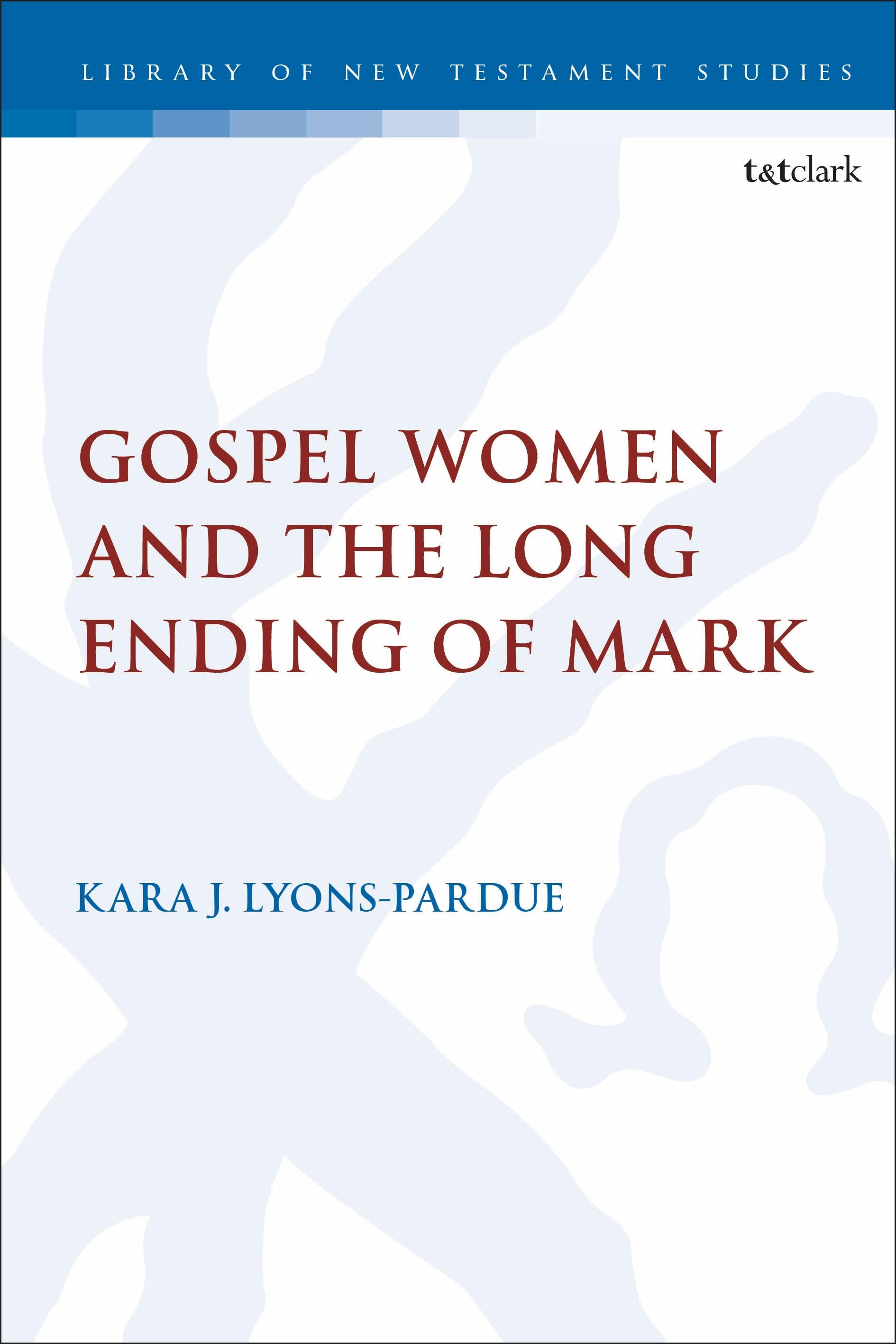
Kara Lyons-Pardue examines the issue of the ending of the gospel of Mark, showing how the later additions to the text function as early receptions of the original gospel tradition providing an ancient “fix” to the problem of the ending in which the women flee the tomb in terror and silence. Lyons-Pardue suggests that the long ending functions canonically, smoothing out the “problem” of 16:8 in ways that support the nascent four-gospel canon.
Lyons-Pardue argues that the long ending represents an ancient reception of the preceding gospel that continues to the unique portrait of discipleship that is characteristically Markan. Mary Magdalene forms the renewed paradigm of an unlikely person or outsider, here a woman, being the one to “go and tell” the good news. This pattern is then projected onto all disciples who are called to proclaim the news to the entire created order (16:15).
Lyons-Pardue argues that the long ending represents an ancient reception of the preceding gospel that continues to the unique portrait of discipleship that is characteristically Markan. Mary Magdalene forms the renewed paradigm of an unlikely person or outsider, here a woman, being the one to “go and tell” the good news. This pattern is then projected onto all disciples who are called to proclaim the news to the entire created order (16:15).
Betal enkelt med kort, Klarna, Apple Pay eller Google Pay. Ikke fornøyd? Du har alltid 14 dagers angrerett. Les mer i våre vilkår. Har du spørsmål, send oss en e-post på hello@memmo.org.
Memmo gjør det enklere å studere – uansett hvor du er i verden. Hos oss samler du pensumbøker og smarte studieverktøy på ett og samme sted: sammendrag, quizer, podkaster og flashcards. Og så Ted, din studiekompis som svarer på alt du lurer på. Over 50 000 studenter studerer allerede her – bygget for at du skal lære raskere og stresse mindre.