
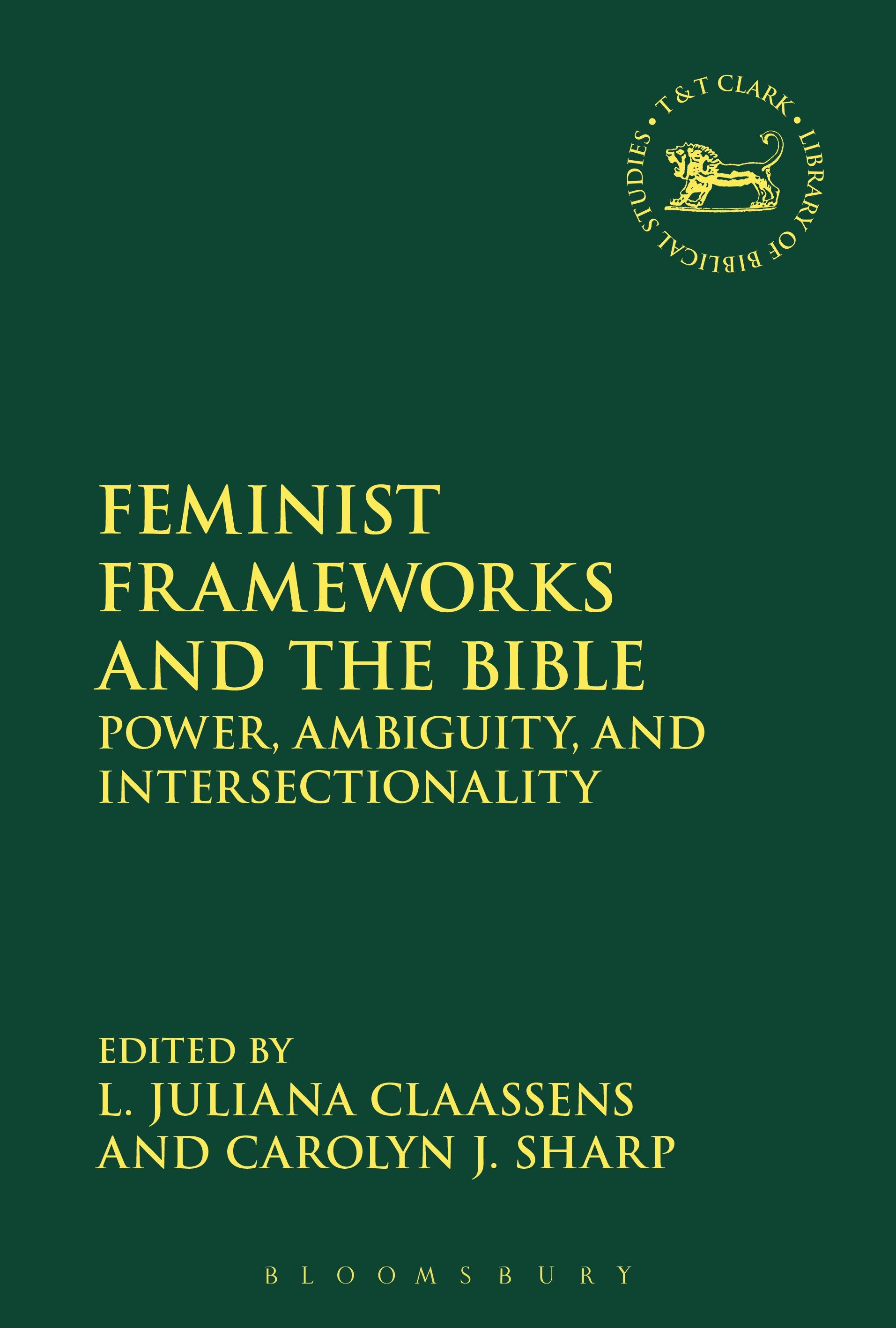
This volume on intercultural biblical interpretation includes essays by feminist scholars from Botswana, Germany, New Zealand, Nigeria, South Africa, and the United States. Reading from a rich variety of socio-cultural locations, contributors present their hermeneutical frameworks for interpretation of Hebrew Bible texts, each framework grounded in the writer's journey of professional or social formation and serving as a prism or optic for feminist critical analysis.
The volume hosts a lively conversation about the nature and significance of biblical interpretation in a global context, focusing on issues at the nexus of operations of power, textual ambiguity, and intersectionality. Engaged here are notions of biblical authority and postures of dissent; women's agency, discernment, rivalry, and alliance in ancient and contemporary contexts; ideological constructions of sexuality and power; interpretations related to indigeneity, racial identity, interethnic intimacy, and violence in colonial contexts; theologies of the feminine divine and feminist understandings of the sacred; convictions about interdependence and conditions of flourishing for all beings in creation; and ethics of resistance positioned over against dehumanization in political, theological, and hermeneutical praxes. Through their textual and contextual engagements, contributors articulate a broad spectrum of feminist insights into the possibilities for emancipatory visions of community.
The volume hosts a lively conversation about the nature and significance of biblical interpretation in a global context, focusing on issues at the nexus of operations of power, textual ambiguity, and intersectionality. Engaged here are notions of biblical authority and postures of dissent; women's agency, discernment, rivalry, and alliance in ancient and contemporary contexts; ideological constructions of sexuality and power; interpretations related to indigeneity, racial identity, interethnic intimacy, and violence in colonial contexts; theologies of the feminine divine and feminist understandings of the sacred; convictions about interdependence and conditions of flourishing for all beings in creation; and ethics of resistance positioned over against dehumanization in political, theological, and hermeneutical praxes. Through their textual and contextual engagements, contributors articulate a broad spectrum of feminist insights into the possibilities for emancipatory visions of community.
Betal enkelt med kort, Klarna, Apple Pay eller Google Pay. Ikke fornøyd? Du har alltid 14 dagers angrerett. Les mer i våre vilkår. Har du spørsmål, send oss en e-post på hello@memmo.org.
Memmo gjør det enklere å studere – uansett hvor du er i verden. Hos oss samler du pensumbøker og smarte studieverktøy på ett og samme sted: sammendrag, quizer, podkaster og flashcards. Og så Ted, din studiekompis som svarer på alt du lurer på. Over 50 000 studenter studerer allerede her – bygget for at du skal lære raskere og stresse mindre.