
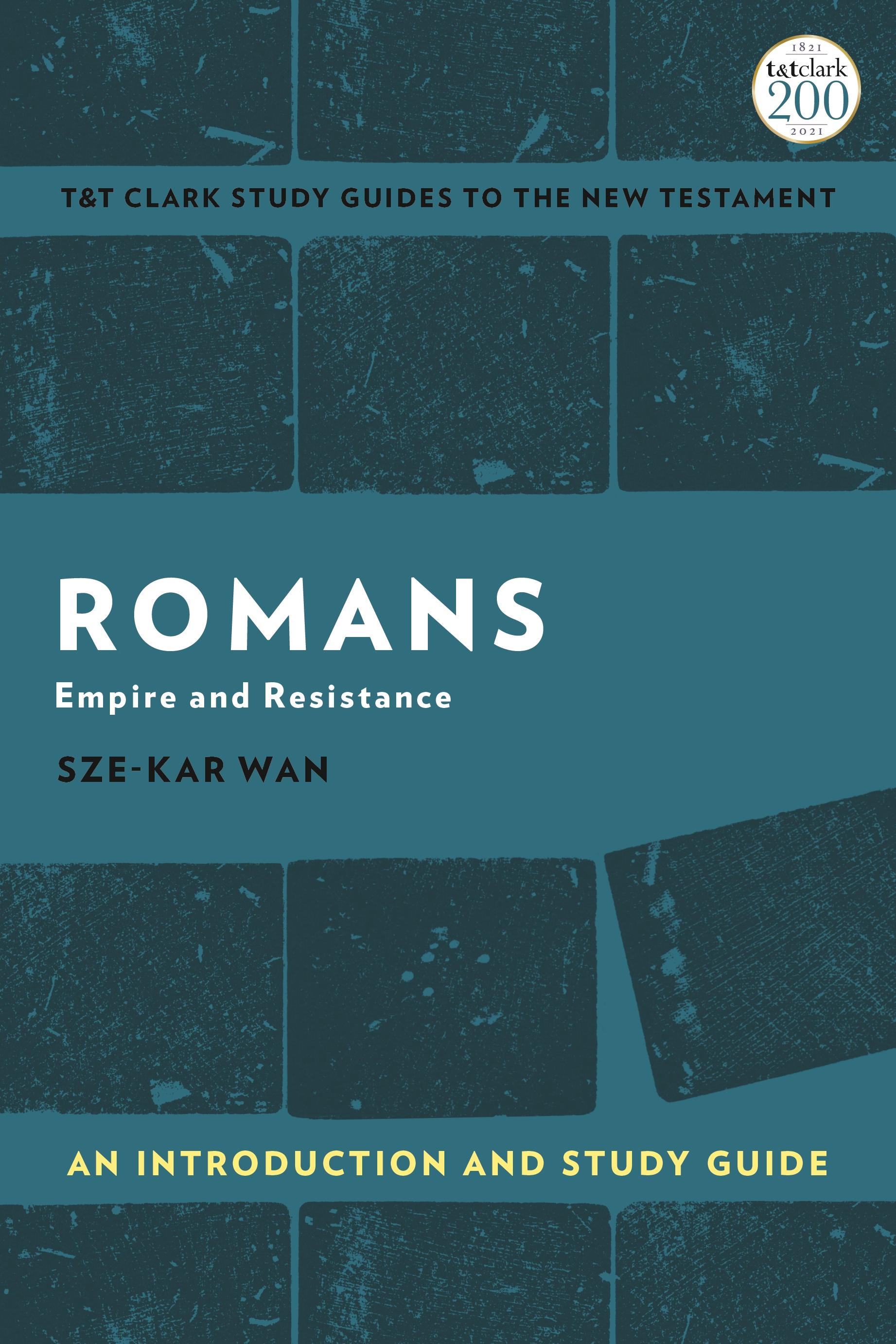
Sze-kar Wan examines the social and political ramifications of Paul's last and longest letter. By taking seriously Paul's faithfulness to his ancestral tradition, Wan argues that Paul is engaged in ethnic construction by incorporating non-Jews into Ideal Israel. With its claim of universality and the cosmic Son of God installed as king, Ideal Israel stands in pointed opposition to the Roman Empire.
Wan presents the Letter to the Romans as Paul's extended argument to his Gentile audience in defence of Ideal Israel and their place in it, without ignoring such prominent themes as good news, faith and belief, eschatology, and the collection for the poor. By also including a reading of Romans 13 as resistance against absolute authority, at variance with historical interpretations that defended American slavery and German Nazism, Wan gives readers a new perspective on a defiant message that can be marshalled to resist oppressive regimes.
Wan presents the Letter to the Romans as Paul's extended argument to his Gentile audience in defence of Ideal Israel and their place in it, without ignoring such prominent themes as good news, faith and belief, eschatology, and the collection for the poor. By also including a reading of Romans 13 as resistance against absolute authority, at variance with historical interpretations that defended American slavery and German Nazism, Wan gives readers a new perspective on a defiant message that can be marshalled to resist oppressive regimes.
Betal enkelt med kort, Klarna, Apple Pay eller Google Pay. Ikke fornøyd? Du har alltid 14 dagers angrerett. Les mer i våre vilkår. Har du spørsmål, send oss en e-post på hello@memmo.org.
Memmo gjør det enklere å studere – uansett hvor du er i verden. Hos oss samler du pensumbøker og smarte studieverktøy på ett og samme sted: sammendrag, quizer, podkaster og flashcards. Og så Ted, din studiekompis som svarer på alt du lurer på. Over 50 000 studenter studerer allerede her – bygget for at du skal lære raskere og stresse mindre.