
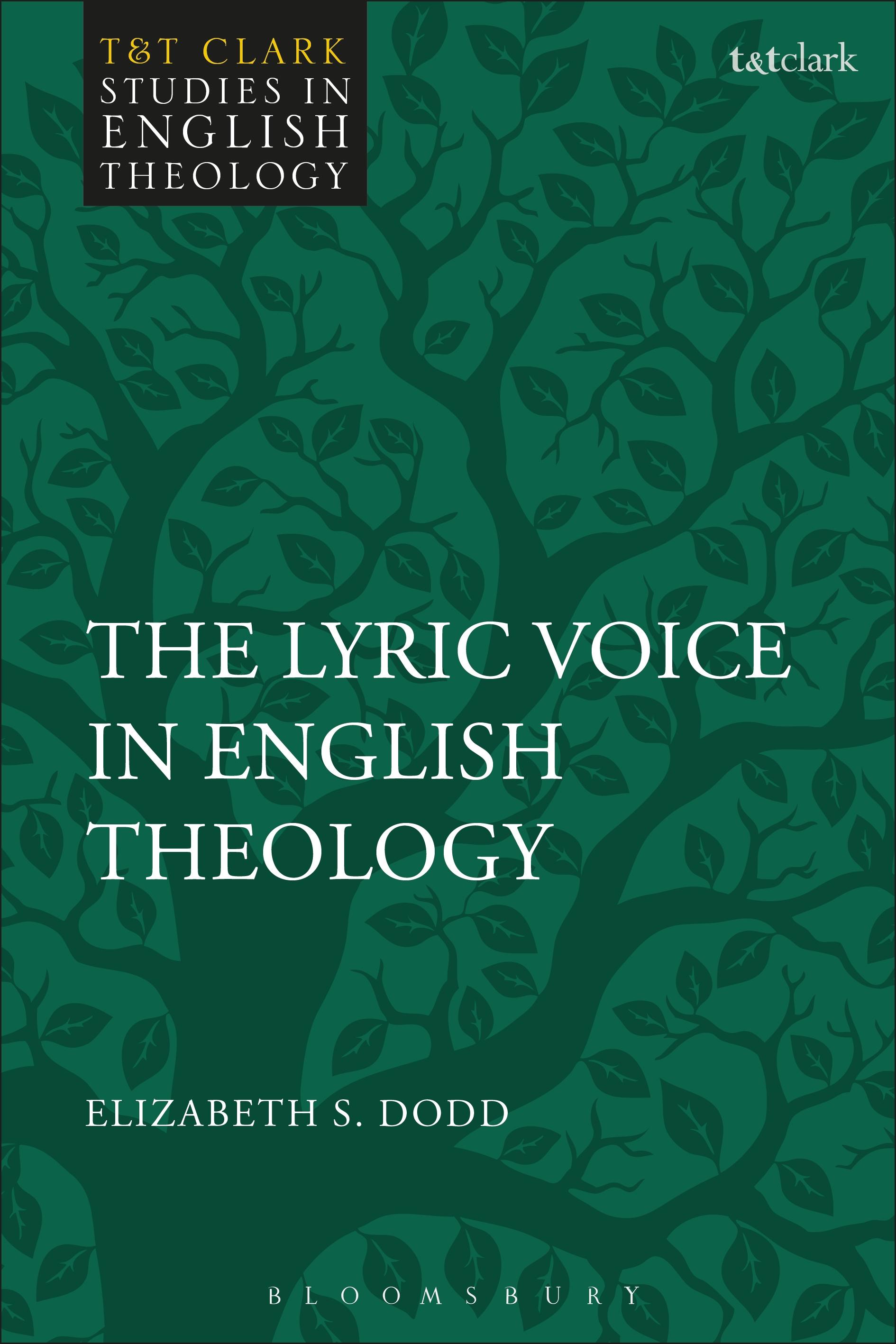
In this book, Elizabeth S. Dodd traces the contours of a lyric theology through the lens of English lyric tradition. She addresses the dominance of narrative and drama in contemporary theological aesthetics by drawing on recent developments in lyric theory. Informed by the work of critics such as Jonathan Culler, Dodd explores the significance of lyric for theological discourse. Lyric is presented here as a short, musical, expressive and personal form that is also fragmentary, embodied, socially located and performative.
The main chapters address key moments in English lyric tradition. This selective approach aims to expand the theological gaze beyond the monochromatic features of the traditional canon. It covers Anglo-Saxon hymns, medieval lullaby carols, early-modern sonnets and the prophetic poetry of Romanticism, but also Grime and hip hop, performance poetry, social media poetry and Geoffrey Hill.
The main chapters address key moments in English lyric tradition. This selective approach aims to expand the theological gaze beyond the monochromatic features of the traditional canon. It covers Anglo-Saxon hymns, medieval lullaby carols, early-modern sonnets and the prophetic poetry of Romanticism, but also Grime and hip hop, performance poetry, social media poetry and Geoffrey Hill.
Betal enkelt med kort, Klarna, Apple Pay eller Google Pay. Ikke fornøyd? Du har alltid 14 dagers angrerett. Les mer i våre vilkår. Har du spørsmål, send oss en e-post på hello@memmo.org.
Memmo gjør det enklere å studere – uansett hvor du er i verden. Hos oss samler du pensumbøker og smarte studieverktøy på ett og samme sted: sammendrag, quizer, podkaster og flashcards. Og så Ted, din studiekompis som svarer på alt du lurer på. Over 50 000 studenter studerer allerede her – bygget for at du skal lære raskere og stresse mindre.