
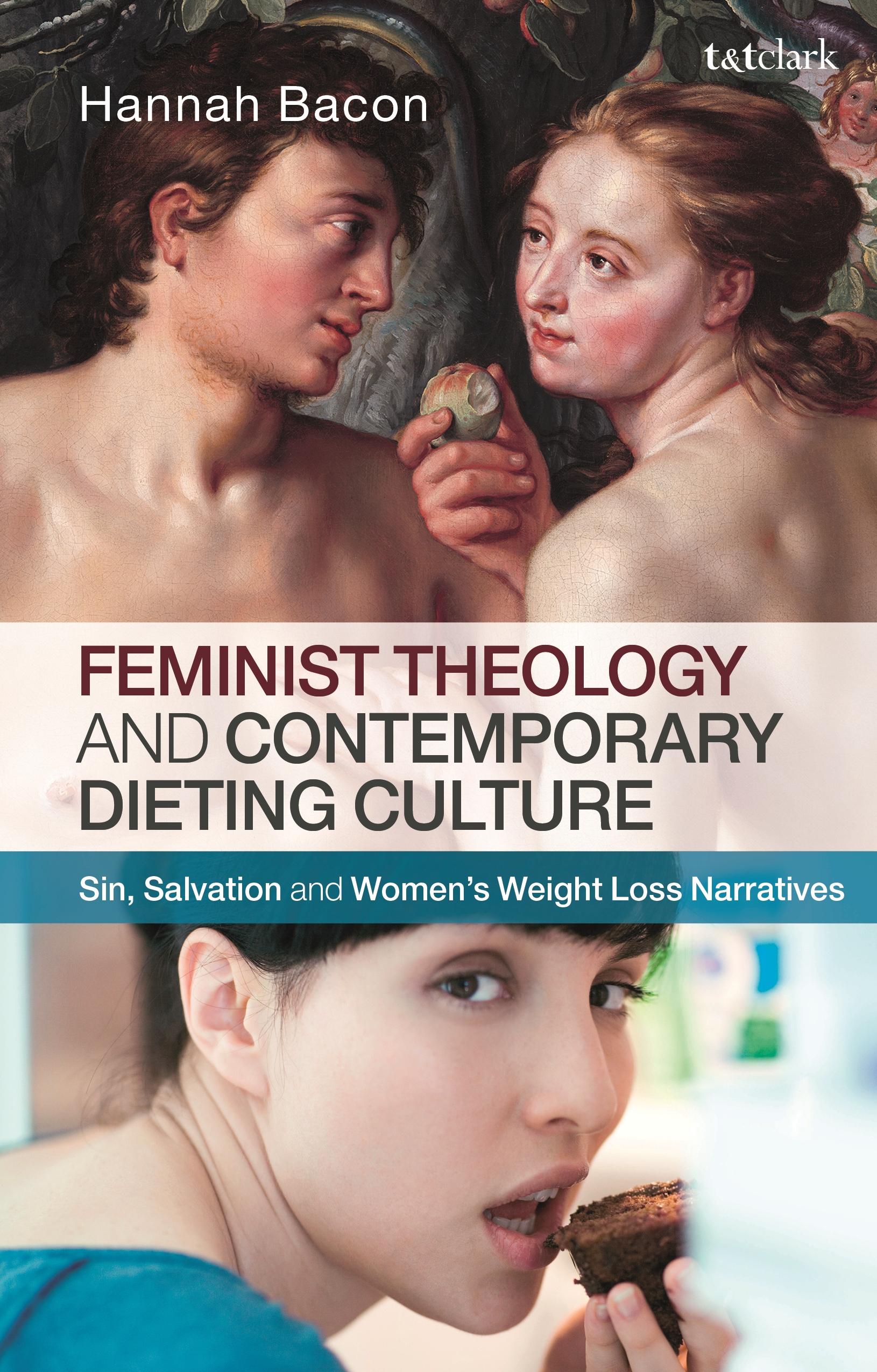
Hannah Bacon draws on qualitative research conducted inside one UK secular commercial weight loss group to show how Christian religious forms and theological discourses inform contemporary weight-loss narratives. Bacon argues that notions of sin and salvation resurface in secular guise in ways that repeat well-established theological meanings. The slimming organization recycles the Christian terminology of sin – spelt 'Syn' – and encourages members to frame weight loss in salvific terms. These theological tropes lurk in the background helping to align food once more with guilt and moral weakness, but they also mirror to an extent the way body policing techniques in Christianity have historically helped to cultivate self-care. The self-breaking and self-making aspects of women's Syn-watching practices in the group continue certain features of historical Christianity, serving in similar ways to conform women's bodies to patriarchal norms while providing opportunities for women's self-development.
Taking into account these tensions, Bacon asks what a specifically feminist theological response to weight loss might look like. If ideas about sin and salvation service hegemonic discourses about fat while also empowering women to shape their own lives, how might they be rethought to challenge fat phobia and the frenetic pursuit of thinness? As well as naming as 'sin' principles and practices which diminish women's appetites and bodies, this book forwards a number of proposals about how salvation might be performed in our everyday eating habits and through the cultivation of fat pride. It takes seriously the conviction of many women in the group that food and the body can be important sites of power, wisdom and transformation, but channels this insight into the construction of theologies that resist rather than reproduce thin privilege and size-ist norms.
Taking into account these tensions, Bacon asks what a specifically feminist theological response to weight loss might look like. If ideas about sin and salvation service hegemonic discourses about fat while also empowering women to shape their own lives, how might they be rethought to challenge fat phobia and the frenetic pursuit of thinness? As well as naming as 'sin' principles and practices which diminish women's appetites and bodies, this book forwards a number of proposals about how salvation might be performed in our everyday eating habits and through the cultivation of fat pride. It takes seriously the conviction of many women in the group that food and the body can be important sites of power, wisdom and transformation, but channels this insight into the construction of theologies that resist rather than reproduce thin privilege and size-ist norms.
Betal enkelt med kort, Klarna, Apple Pay eller Google Pay. Ikke fornøyd? Du har alltid 14 dagers angrerett. Les mer i våre vilkår. Har du spørsmål, send oss en e-post på hello@memmo.org.
Memmo gjør det enklere å studere – uansett hvor du er i verden. Hos oss samler du pensumbøker og smarte studieverktøy på ett og samme sted: sammendrag, quizer, podkaster og flashcards. Og så Ted, din studiekompis som svarer på alt du lurer på. Over 50 000 studenter studerer allerede her – bygget for at du skal lære raskere og stresse mindre.