
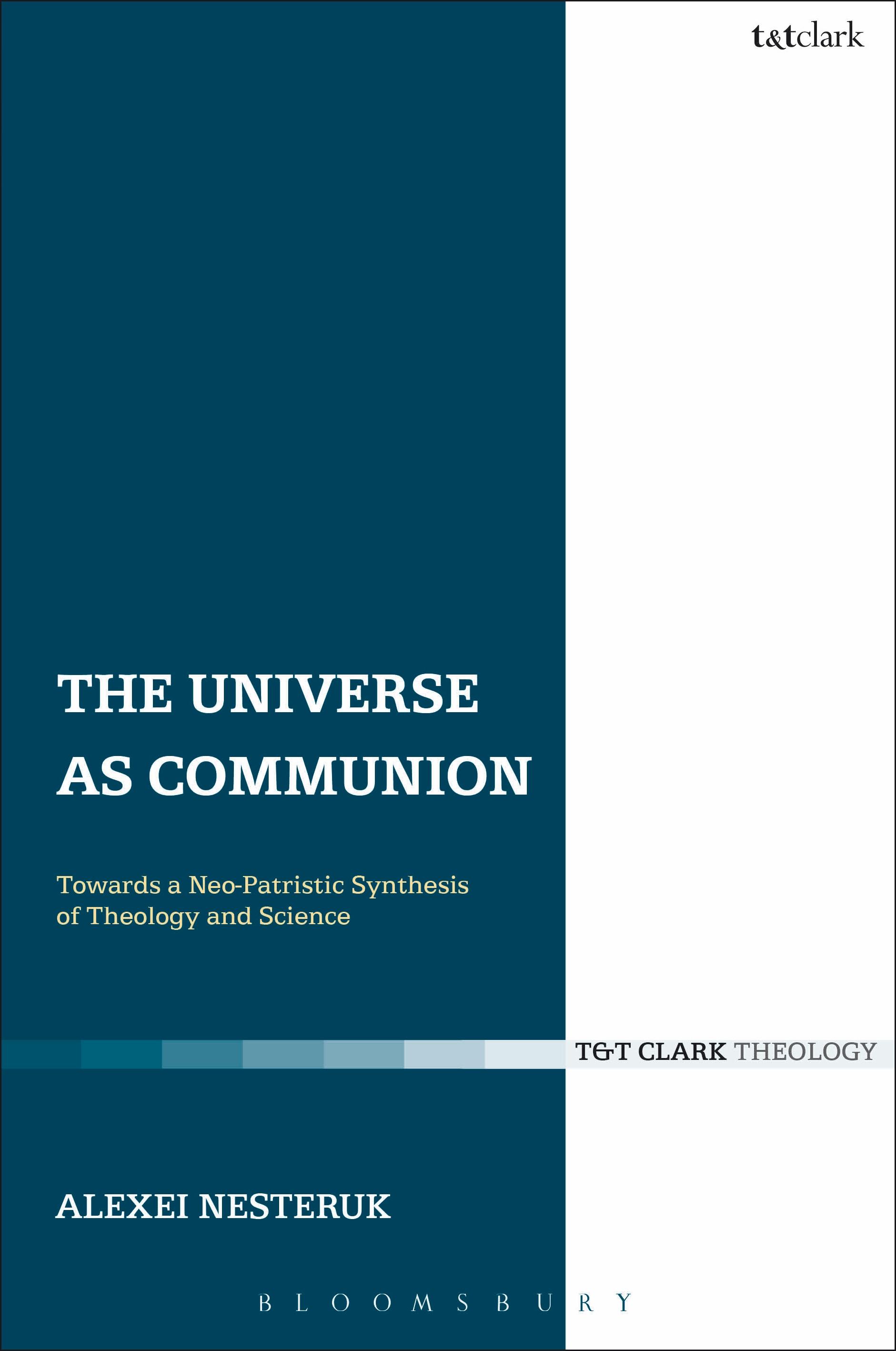
In this book a new and distinctive approach to the science-religion debate emerges from a synthesis of the Eastern Orthodox Christian tradition with phenomenological thought. Developing ideas of Greek Patristics the author treats faith, with its sense of the Divine presence, and knowledge of the universe, as two modes of communion which constitute the human condition. The modern opposition between science and theology (which is historically paralleled with the Church's split between East and West, and monasticism and Christianity in the world), is treated as the split between two intentionalities of the overall human subjectivity. The human person, as a centre of their reconciliation, becomes the major theme of the dialogue between science and theology.
It is argued that the reconciliation of science and theology is not simply an academic exercise; it requires an existential change, a change of mind (metanoia), which cannot be effected without ecclesial involvement. Then the person who effectuates the mediation between science and theology is raised to the level of "cosmic priesthood" while the mediation acquires the features of a "cosmic Eucharist" in which all divisions and tensions in creation and humanity are removed.
It is through this existential change accompanied by phenomenological analysis that scientific theories can be subjected to a certain "vision" through which the hidden ultimate goal (telos) of scientific research (as the explication of the human condition) shows its kinship to the saving telos advocated by Christian faith. The opposition between theology and science is thus being para-eucharistically overcome.
It is argued that the reconciliation of science and theology is not simply an academic exercise; it requires an existential change, a change of mind (metanoia), which cannot be effected without ecclesial involvement. Then the person who effectuates the mediation between science and theology is raised to the level of "cosmic priesthood" while the mediation acquires the features of a "cosmic Eucharist" in which all divisions and tensions in creation and humanity are removed.
It is through this existential change accompanied by phenomenological analysis that scientific theories can be subjected to a certain "vision" through which the hidden ultimate goal (telos) of scientific research (as the explication of the human condition) shows its kinship to the saving telos advocated by Christian faith. The opposition between theology and science is thus being para-eucharistically overcome.
Betal enkelt med kort, Klarna, Apple Pay eller Google Pay. Ikke fornøyd? Du har alltid 14 dagers angrerett. Les mer i våre vilkår. Har du spørsmål, send oss en e-post på hello@memmo.org.
Memmo gjør det enklere å studere – uansett hvor du er i verden. Hos oss samler du pensumbøker og smarte studieverktøy på ett og samme sted: sammendrag, quizer, podkaster og flashcards. Og så Ted, din studiekompis som svarer på alt du lurer på. Over 50 000 studenter studerer allerede her – bygget for at du skal lære raskere og stresse mindre.