
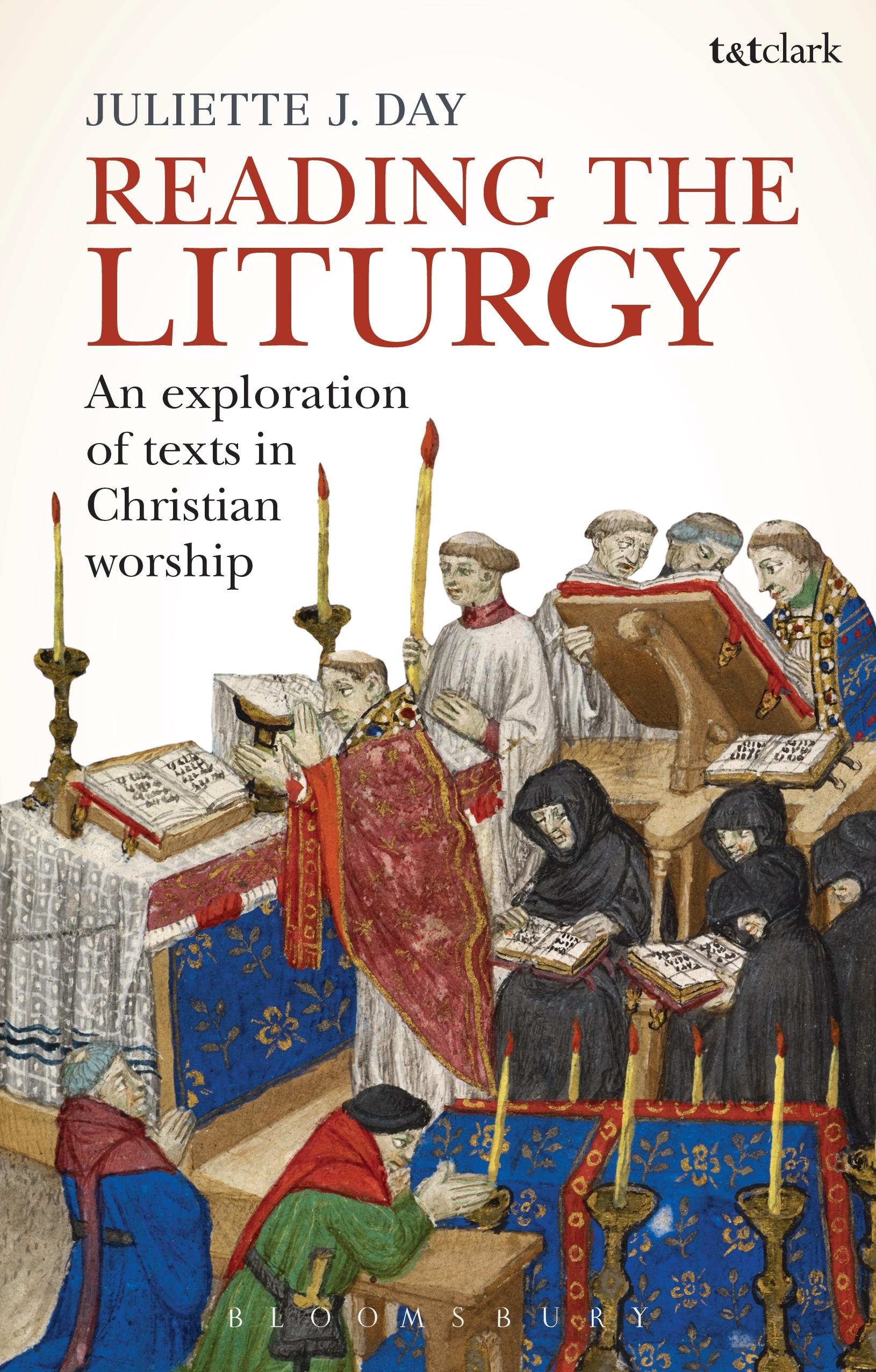
This is a unique contribution to discussions within churches about the provision of suitable words for liturgical worship and to debates among scholars about liturgical hermeneutics, as well as offering a new methodological paradigm for liturgical studies to inspire students and researchers. By combining insights from literary and linguistic studies with those from historical and contemporary liturgical studies, Juliette Day investigates the nature of a text in relation to unscripted speech; how authors and worshipers make use of genre, narrative and other texts; how the textuality of the liturgy as well as its ritual context affect the sort of language used in worship and what implicit meanings are conveyed in the way liturgical texts are printed in books. Day discusses the history of liturgical texts and their function, as well as liturgical genres and narratives. She examines the function of language in liturgical worship and emphasizes its meaning for readers, worshipers and speakers. Day applies insights from literary and linguistic studies to liturgical texts in a comprehensive fashion, making it accessible to a broad readership
Betal enkelt med kort, Klarna, Apple Pay eller Google Pay. Ikke fornøyd? Du har alltid 14 dagers angrerett. Les mer i våre vilkår. Har du spørsmål, send oss en e-post på hello@memmo.org.
Memmo gjør det enklere å studere – uansett hvor du er i verden. Hos oss samler du pensumbøker og smarte studieverktøy på ett og samme sted: sammendrag, quizer, podkaster og flashcards. Og så Ted, din studiekompis som svarer på alt du lurer på. Over 50 000 studenter studerer allerede her – bygget for at du skal lære raskere og stresse mindre.