
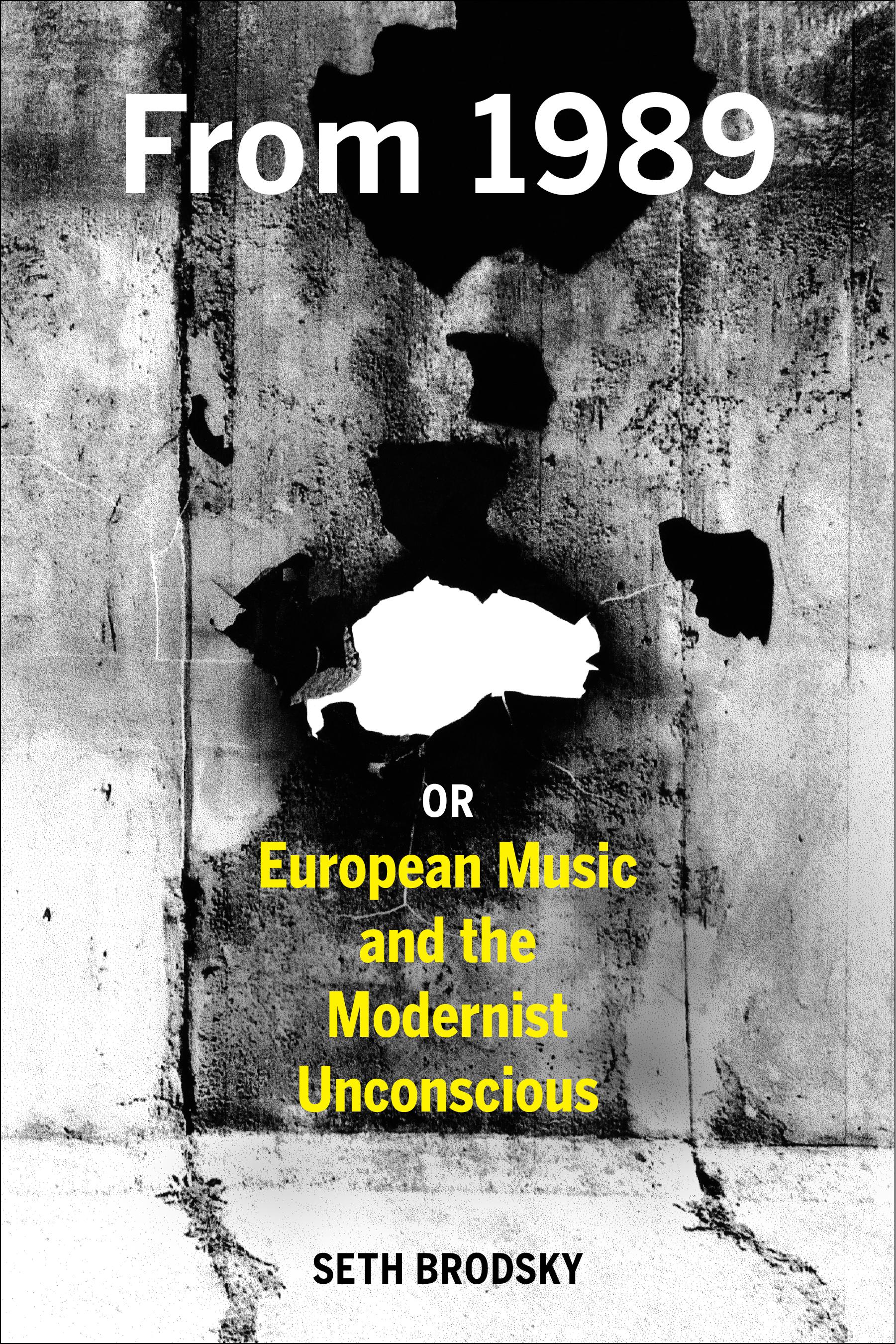
What happened to musical modernism? When did it end? Did it end? In this unorthodox Lacanian account of European New Music, Seth Brodsky focuses on the unlikely year 1989, when New Music hardly takes center stage. Instead one finds Rostropovich playing Bach at Checkpoint Charlie; or Bernstein changing “Joy” to “Freedom” in Beethoven’s Ninth; or David Hasselhoff lip-synching “Looking for Freedom” to thousands on New Year’s Eve. But if such spectacles claim to master their historical moment, New Music unconsciously takes the role of analyst. In so doing, it restages earlier scenes of modernism. As world politics witnesses a turning away from the possibility of revolution, musical modernism revolves in place, performing century-old tasks of losing, failing, and beginning again, in preparation for a revolution to come.
Betal enkelt med kort, Klarna, Apple Pay eller Google Pay. Ikke fornøyd? Du har alltid 14 dagers angrerett. Les mer i våre vilkår. Har du spørsmål, send oss en e-post på hello@memmo.org.
Memmo gjør det enklere å studere – uansett hvor du er i verden. Hos oss samler du pensumbøker og smarte studieverktøy på ett og samme sted: sammendrag, quizer, podkaster og flashcards. Og så Ted, din studiekompis som svarer på alt du lurer på. Over 50 000 studenter studerer allerede her – bygget for at du skal lære raskere og stresse mindre.
Du vil kanskje også like
Kjøp boken0