
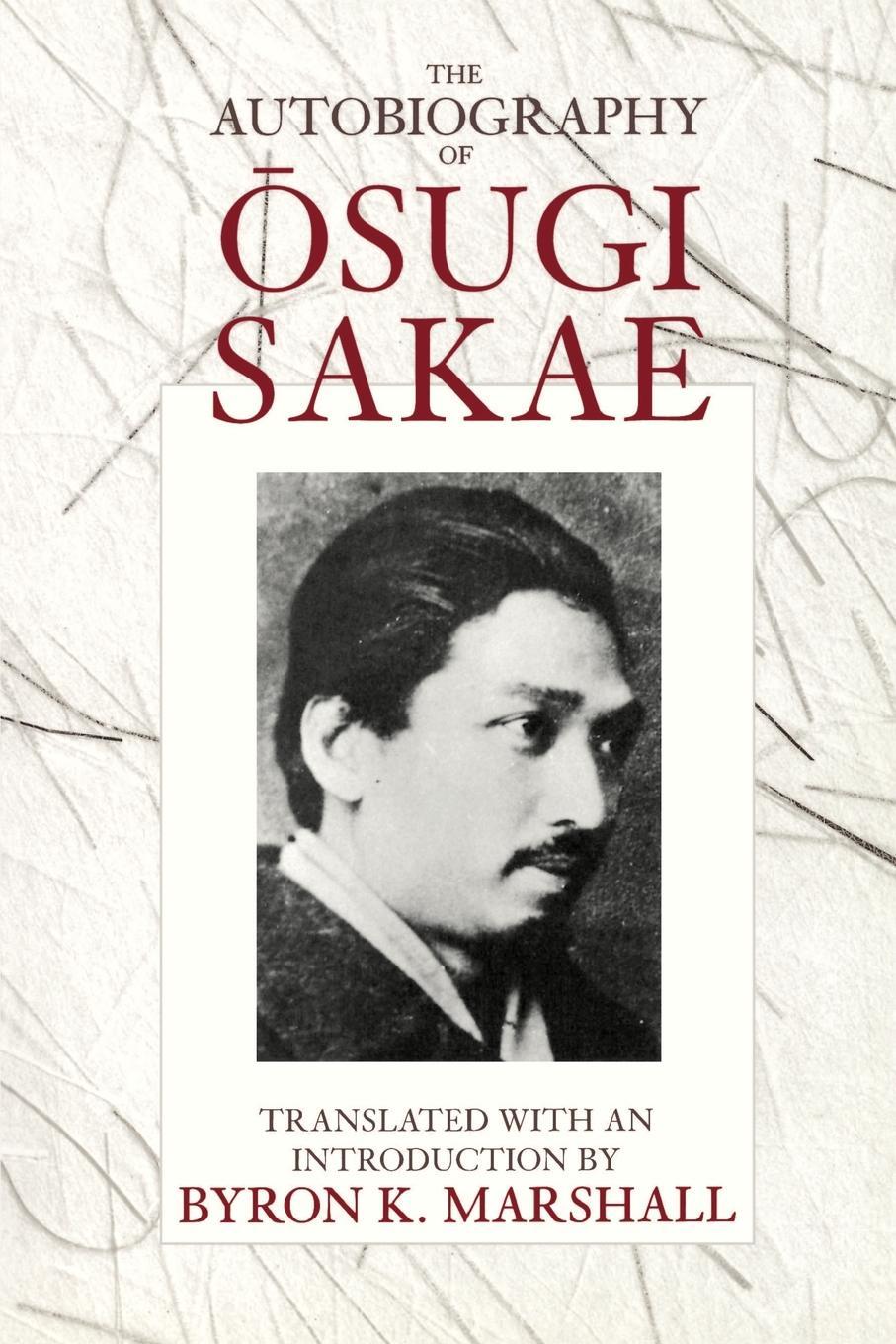
In the Japanese labor movement of the early twentieth century, no one captured the public imagination as vividly as Osugi Sakae (1885-1923): rebel, anarchist, and martyr. Flamboyant in life, dramatic in death, Osugi came to be seen as a romantic hero fighting the oppressiveness of family and society.
Osugi helped to create this public persona when he published his autobiography (Jijoden) in 1921-22. Now available in English for the first time, this work offers a rare glimpse into a Japanese boy's life at the time of the Sino-Japanese (1894-95) and the Russo-Japanese (1904-5) wars. It reveals the innocent—and not-so-innocent—escapades of children in a provincial garrison town and the brutalizing effects of discipline in military preparatory schools. Subsequent chapters follow Osugi to Tokyo, where he discovers the excitement of radical thought and politics.
Byron Marshall rounds out this picture of the early Osugi with a translation of his Prison Memoirs (Gokuchuki), originally published in 1919. This essay, one of the world's great pieces of prison writing, describes in precise detail the daily lives of Japanese prisoners, especially those incarcerated for political crimes.
In the Japanese labor movement of the early twentieth century, no one captured the public imagination as vividly as Osugi Sakae (1885-1923): rebel, anarchist, and martyr. Flamboyant in life, dramatic in death, Osugi came to be seen as a romantic hero figh
Osugi helped to create this public persona when he published his autobiography (Jijoden) in 1921-22. Now available in English for the first time, this work offers a rare glimpse into a Japanese boy's life at the time of the Sino-Japanese (1894-95) and the Russo-Japanese (1904-5) wars. It reveals the innocent—and not-so-innocent—escapades of children in a provincial garrison town and the brutalizing effects of discipline in military preparatory schools. Subsequent chapters follow Osugi to Tokyo, where he discovers the excitement of radical thought and politics.
Byron Marshall rounds out this picture of the early Osugi with a translation of his Prison Memoirs (Gokuchuki), originally published in 1919. This essay, one of the world's great pieces of prison writing, describes in precise detail the daily lives of Japanese prisoners, especially those incarcerated for political crimes.
In the Japanese labor movement of the early twentieth century, no one captured the public imagination as vividly as Osugi Sakae (1885-1923): rebel, anarchist, and martyr. Flamboyant in life, dramatic in death, Osugi came to be seen as a romantic hero figh
Sider: 192
Kategori: Biografi & Memoarer
e-ISBN: 9780520912380
Fraktvekt: 1.2 kg
Sendes innen: 1-2 dager
Betal enkelt med kort, Klarna, Apple Pay eller Google Pay. Ikke fornøyd? Du har alltid 14 dagers angrerett. Les mer i våre vilkår. Har du spørsmål, send oss en e-post på hello@memmo.org.
Memmo gjør det enklere å studere – uansett hvor du er i verden. Hos oss samler du pensumbøker og smarte studieverktøy på ett og samme sted: sammendrag, quizer, podkaster og flashcards. Og så Ted, din studiekompis som svarer på alt du lurer på. Over 50 000 studenter studerer allerede her – bygget for at du skal lære raskere og stresse mindre.
Du vil kanskje også like
Kjøp boken0