
Why do we feel excited, afraid, and frustrated by algorithms?
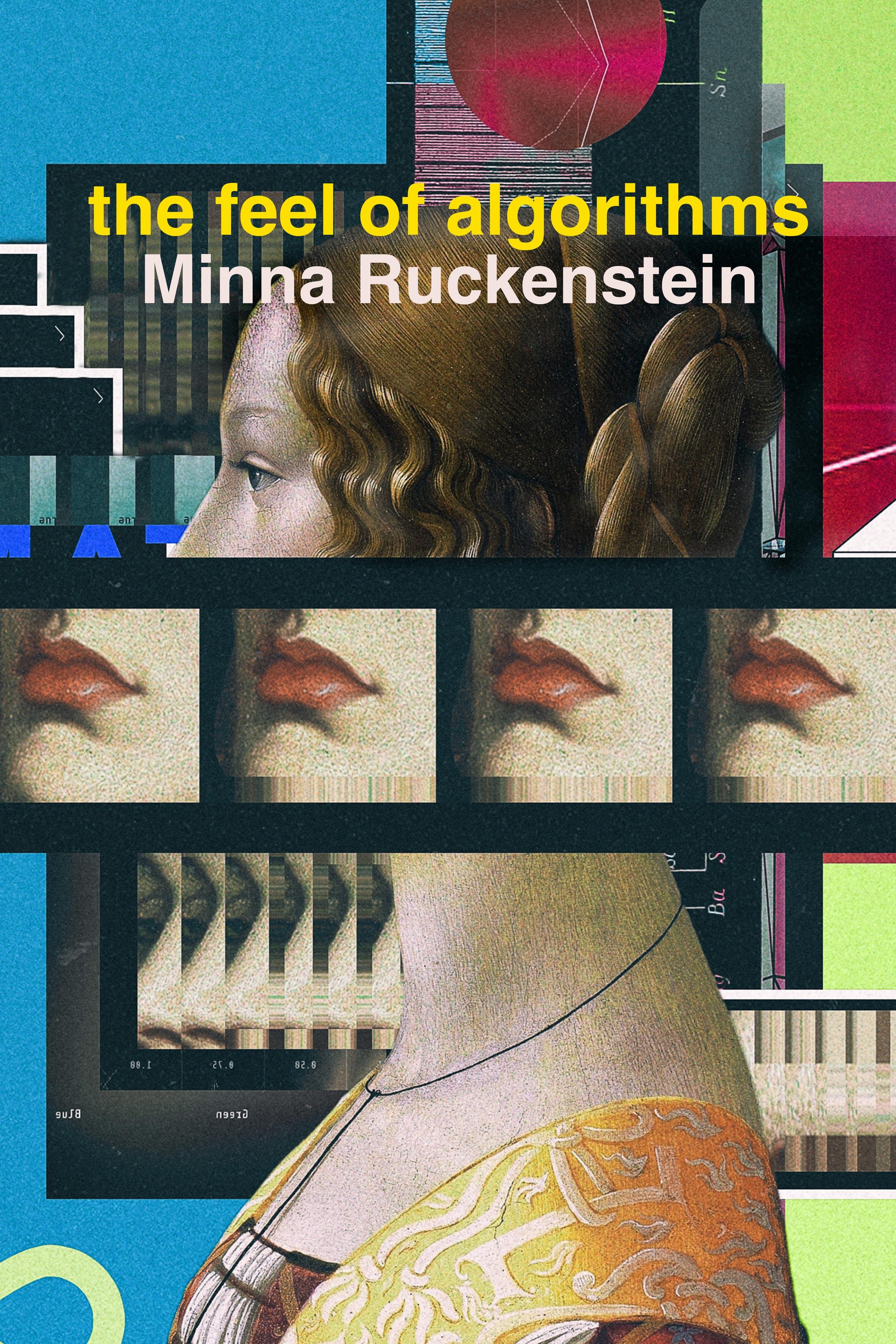
The Feel of Algorithms brings relatable first-person accounts of what it means to experience algorithms emotionally alongside interdisciplinary social science research, to reveal how political and economic processes are felt in the everyday. People’s algorithm stories might fail to separate fact and misconception, and circulate wishful, erroneous, or fearful views of digital technologies. Yet rather than treating algorithmic folklore as evidence of ignorance, this novel book explains why personal anecdotes are an important source of algorithmic knowledge. Minna Ruckenstein argues that we get to know algorithms by feeling their actions and telling stories about them. The Feel of Algorithms shows how taking everyday algorithmic emotions seriously balances the current discussion, which has a tendency to draw conclusions based on celebratory or oppositional responses to imagined future effects. An everyday focus zooms into experiences of pleasure, fear, and irritation, highlighting how political aims and ethical tensions play out in visions, practices, and emotional responses. This book shows that feelings aid in recognizing troubling practices, and also calls for alternatives that are currently ignored or suppressed.
The Feel of Algorithms brings relatable first-person accounts of what it means to experience algorithms emotionally alongside interdisciplinary social science research, to reveal how political and economic processes are felt in the everyday. People’s algorithm stories might fail to separate fact and misconception, and circulate wishful, erroneous, or fearful views of digital technologies. Yet rather than treating algorithmic folklore as evidence of ignorance, this novel book explains why personal anecdotes are an important source of algorithmic knowledge. Minna Ruckenstein argues that we get to know algorithms by feeling their actions and telling stories about them. The Feel of Algorithms shows how taking everyday algorithmic emotions seriously balances the current discussion, which has a tendency to draw conclusions based on celebratory or oppositional responses to imagined future effects. An everyday focus zooms into experiences of pleasure, fear, and irritation, highlighting how political aims and ethical tensions play out in visions, practices, and emotional responses. This book shows that feelings aid in recognizing troubling practices, and also calls for alternatives that are currently ignored or suppressed.
Betal enkelt med kort, Klarna, Apple Pay eller Google Pay. Ikke fornøyd? Du har alltid 14 dagers angrerett. Les mer i våre vilkår. Har du spørsmål, send oss en e-post på hello@memmo.org.
Memmo gjør det enklere å studere – uansett hvor du er i verden. Hos oss samler du pensumbøker og smarte studieverktøy på ett og samme sted: sammendrag, quizer, podkaster og flashcards. Og så Ted, din studiekompis som svarer på alt du lurer på. Over 50 000 studenter studerer allerede her – bygget for at du skal lære raskere og stresse mindre.
Du vil kanskje også like
Kjøp boken0