
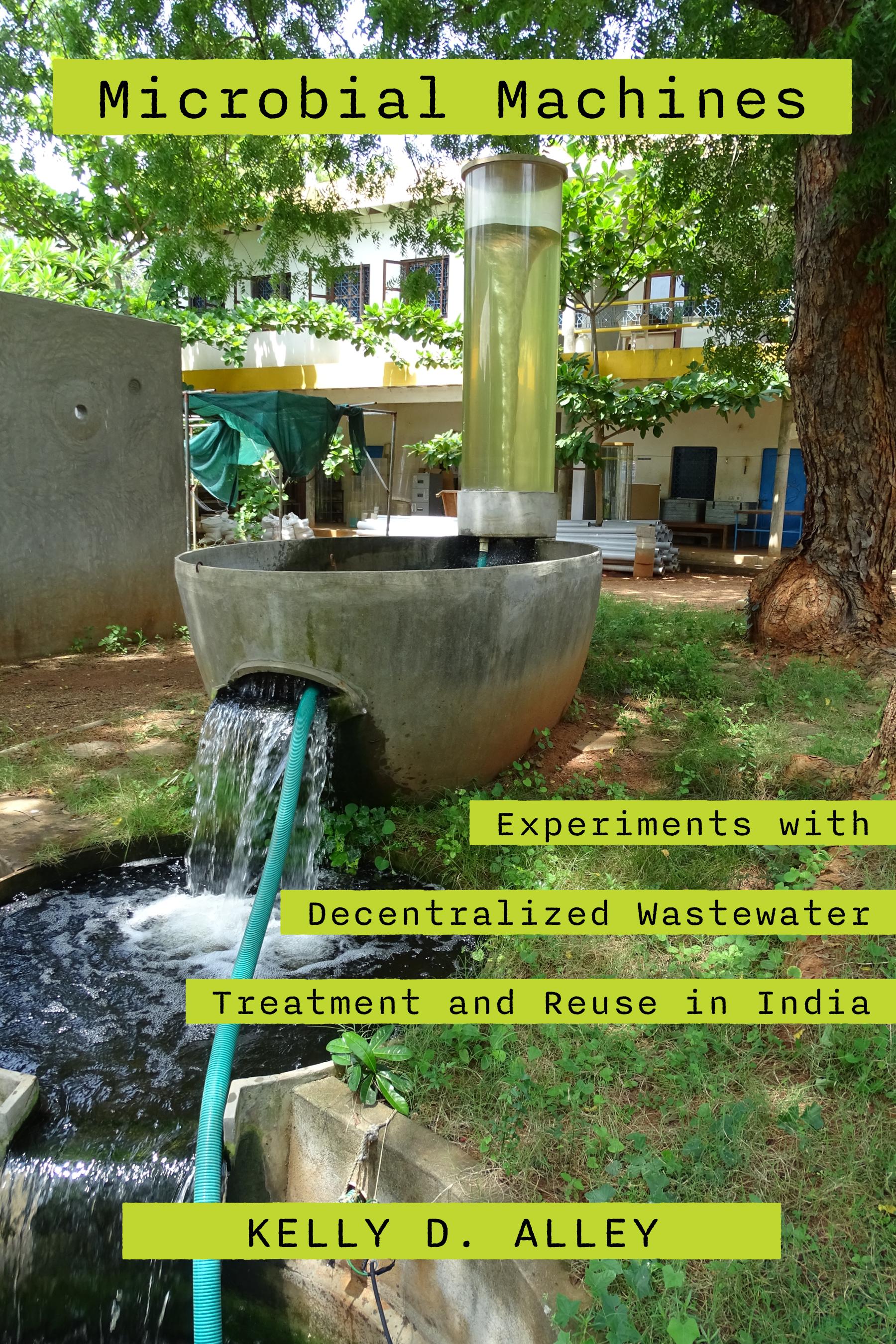
Around 2004, members of governmental and nongovernmental organizations, science institutes, and private companies throughout India began brainstorming and then experimenting with small-scale treatment systems that could produce usable water from wastewater. Through detailed case studies, Microbial Machines describes how residents, workers, and scientists interact with technology, science, and engineering during the processes of treatment and reuse. Using a human-machine-microbe framework, Kelly Alley explores the ways that people's sensory perceptions of water—including disgust—are dynamic and how people use machines and microbes to digest wastewater. A better understanding of how the human and nonhuman interact in these processes will enable people to generate more effective methods for treating and reusing wastewater. While decentralized wastewater treatment systems may not be a perfect solution, they alleviate resource stress in regions that are particularly hard hit by climate change. These case studies have broad relevance for solving similar problems in many other places around the world.
Sider: 224
Kategori: Miljövetenskap & Klimat
e-ISBN: 9780520394322
Fraktvekt: 1.2 kg
Sendes innen: 1-2 dager
Betal enkelt med kort, Klarna, Apple Pay eller Google Pay. Ikke fornøyd? Du har alltid 14 dagers angrerett. Les mer i våre vilkår. Har du spørsmål, send oss en e-post på hello@memmo.org.
Memmo gjør det enklere å studere – uansett hvor du er i verden. Hos oss samler du pensumbøker og smarte studieverktøy på ett og samme sted: sammendrag, quizer, podkaster og flashcards. Og så Ted, din studiekompis som svarer på alt du lurer på. Over 50 000 studenter studerer allerede her – bygget for at du skal lære raskere og stresse mindre.
Du vil kanskje også like
Kjøp boken0