
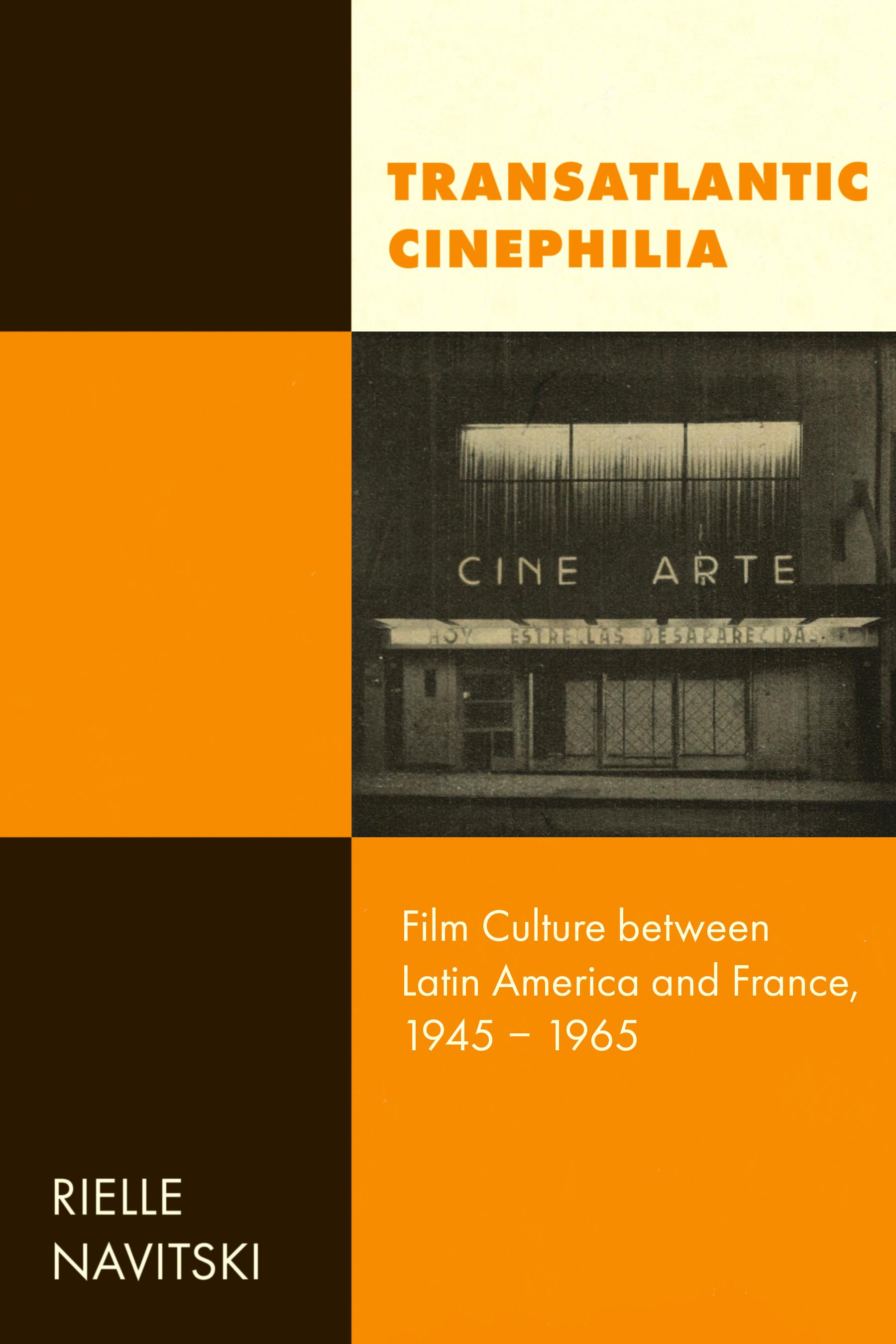
In the two decades after World War II, a vibrant cultural infrastructure of cineclubs, archives, festivals, and film schools took shape in Latin America through the labor of film enthusiasts who often worked in concert with French and France-based organizations. In promoting the emerging concept and practice of art cinema, these film-related institutions advanced geopolitical and class interests simultaneously in a polarized Cold War climate. Seeking to sharpen viewers' critical faculties as a safeguard against ideological extremes, institutions of film culture lent prestige to Latin America's growing middle classes and capitalized on official and unofficial efforts to boost the circulation of French cinema, enhancing the nation's soft power in the wake of military defeat and occupation. As the first book-length, transnational analysis of postwar Latin American film culture, Transatlantic Cinephilia deepens our understanding of how institutional networks have nurtured alternative and nontheatrical cinemas.
Betal enkelt med kort, Klarna, Apple Pay eller Google Pay. Ikke fornøyd? Du har alltid 14 dagers angrerett. Les mer i våre vilkår. Har du spørsmål, send oss en e-post på hello@memmo.org.
Memmo gjør det enklere å studere – uansett hvor du er i verden. Hos oss samler du pensumbøker og smarte studieverktøy på ett og samme sted: sammendrag, quizer, podkaster og flashcards. Og så Ted, din studiekompis som svarer på alt du lurer på. Over 50 000 studenter studerer allerede her – bygget for at du skal lære raskere og stresse mindre.
Du vil kanskje også like
Kjøp boken0