
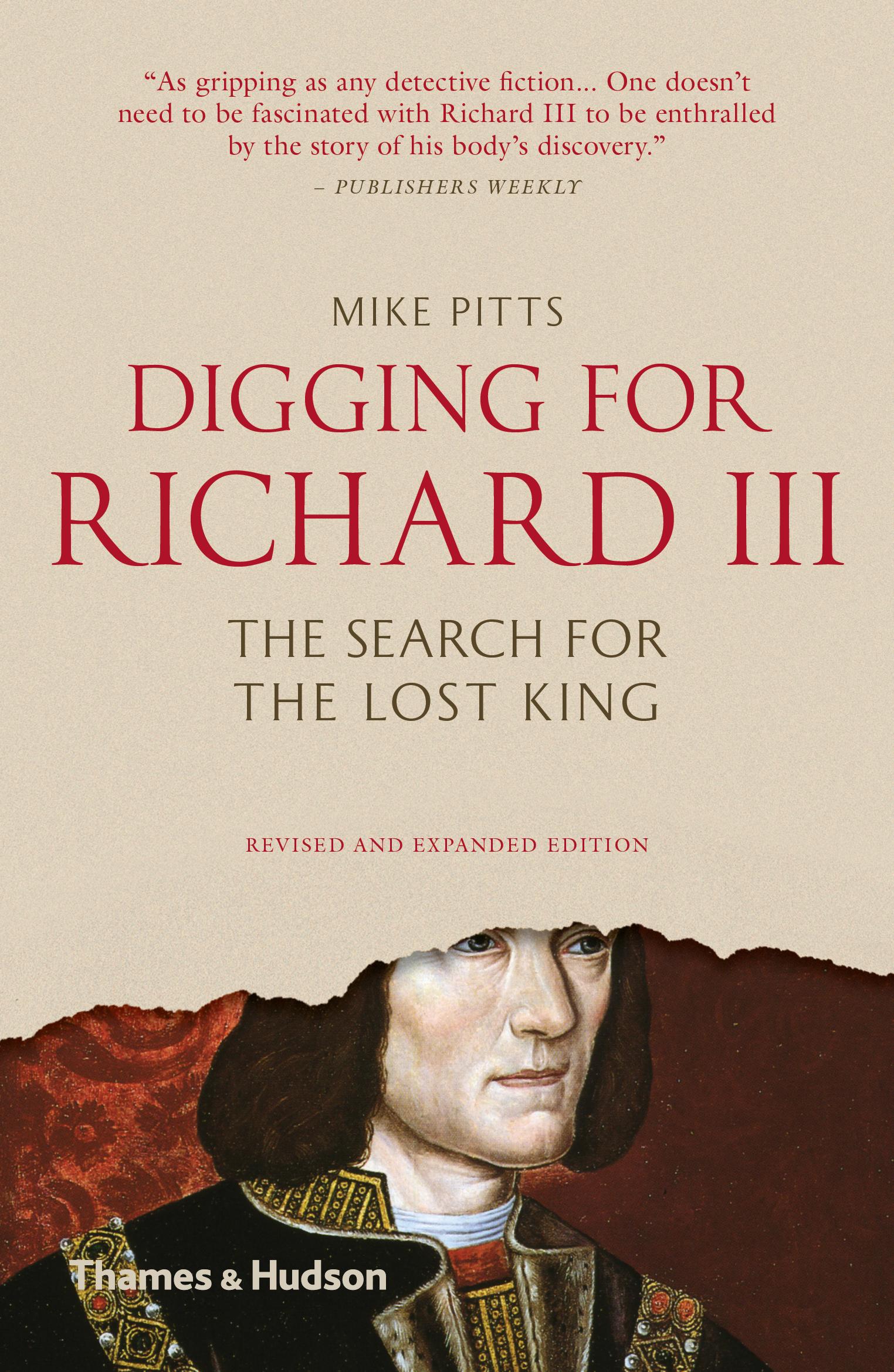
The story of the archaeology behind the dig that found Richard III, told through a fascinating array of photographs, diagrams, and firsthand accounts
In August 2012 a search began and on February 4, 2013 a team from Leicester University delivered its verdict to a mesmerized press room, watched by media studios around the world: they had found the remains of Richard III, whose history is perhaps the most contested of all British monarchs.History offers a narrow range of information about Richard III which mostly has already been worked to destruction. Archaeology creates new data, new stories, with a different kind of material: physical remains from which modern science can wrest a surprising amount, and which provide a direct, tangible connection with the past. Unlike history, archaeological research demands that teams of people with varied backgrounds work together. Archaeology is a communal activity, in which the interaction of personalities as well as professional skills can change the course of research. Photographs from the author’s own archives, alongside additional material from Leicester University, offer a compelling detective story as the evidence is uncovered.
Betal enkelt med kort, Klarna, Apple Pay eller Google Pay. Ikke fornøyd? Du har alltid 14 dagers angrerett. Les mer i våre vilkår. Har du spørsmål, send oss en e-post på hello@memmo.org.
Memmo gjør det enklere å studere – uansett hvor du er i verden. Hos oss samler du pensumbøker og smarte studieverktøy på ett og samme sted: sammendrag, quizer, podkaster og flashcards. Og så Ted, din studiekompis som svarer på alt du lurer på. Over 50 000 studenter studerer allerede her – bygget for at du skal lære raskere og stresse mindre.
Du vil kanskje også like
Kjøp boken0