
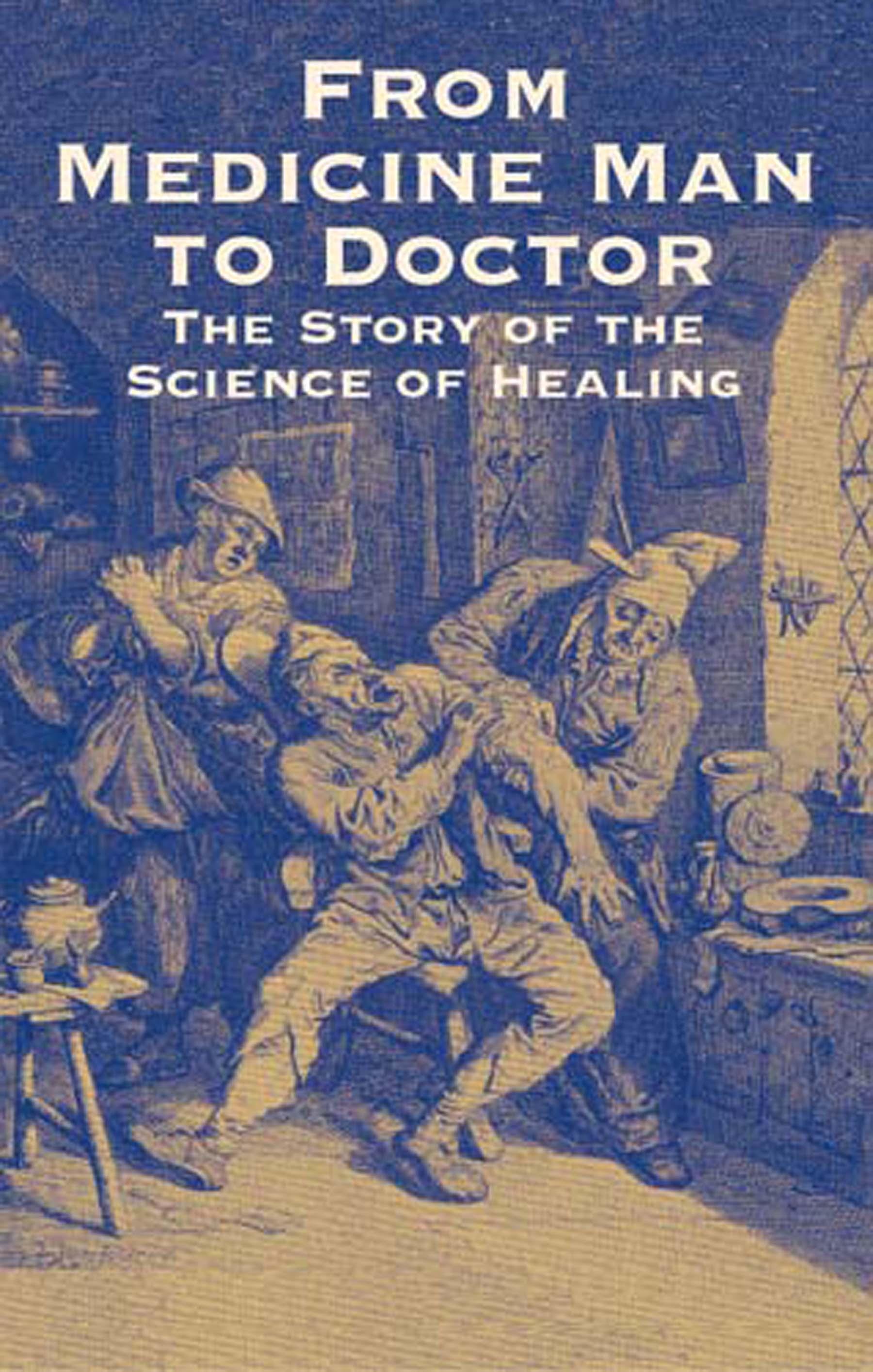
Compelling and informative, this overview of medical history traces modern-day medical practices from their roots in the ancient civilizations of Egypt, Greece, and Rome. Physician Howard W. Haggard — a popular lecturer, prolific author, and Yale professor — specialized in explaining health-related issues to ordinary people. This 1929 survey offers fascinating facts and anecdotes from around the world in its chronicles of the development of obstetrical methods, anesthesia, surgery, drugs, and other landmarks in the science of healing.
The first chapters examine the treatment of child-bearing women throughout the centuries, from practices related to the legends of Aesculapius and Hygeia to the long battle against puerperal fever, the invention of obstetrical forceps, and the rise of anesthesia. A profile of the progress of surgery explores the violent opposition to early attempts at studying anatomy through human dissection, and the gradual adoption of antiseptic principles. Quarantine, vaccination, and a heightened public awareness are cited among the record of attempts to conquer plague and pestilence.
Final chapters investigate faith healing through the ages and occult practices such as exorcism and the trade in holy relics; herb doctors and medieval apothecaries; the recognition of bacteria as a cause of infectious disease; and the eventual trend away from treatment and toward prevention.
The first chapters examine the treatment of child-bearing women throughout the centuries, from practices related to the legends of Aesculapius and Hygeia to the long battle against puerperal fever, the invention of obstetrical forceps, and the rise of anesthesia. A profile of the progress of surgery explores the violent opposition to early attempts at studying anatomy through human dissection, and the gradual adoption of antiseptic principles. Quarantine, vaccination, and a heightened public awareness are cited among the record of attempts to conquer plague and pestilence.
Final chapters investigate faith healing through the ages and occult practices such as exorcism and the trade in holy relics; herb doctors and medieval apothecaries; the recognition of bacteria as a cause of infectious disease; and the eventual trend away from treatment and toward prevention.
Betal enkelt med kort, Klarna, Apple Pay eller Google Pay. Ikke fornøyd? Du har alltid 14 dagers angrerett. Les mer i våre vilkår. Har du spørsmål, send oss en e-post på hello@memmo.org.
Memmo gjør det enklere å studere – uansett hvor du er i verden. Hos oss samler du pensumbøker og smarte studieverktøy på ett og samme sted: sammendrag, quizer, podkaster og flashcards. Og så Ted, din studiekompis som svarer på alt du lurer på. Over 50 000 studenter studerer allerede her – bygget for at du skal lære raskere og stresse mindre.
Du vil kanskje også like
Kjøp boken0