
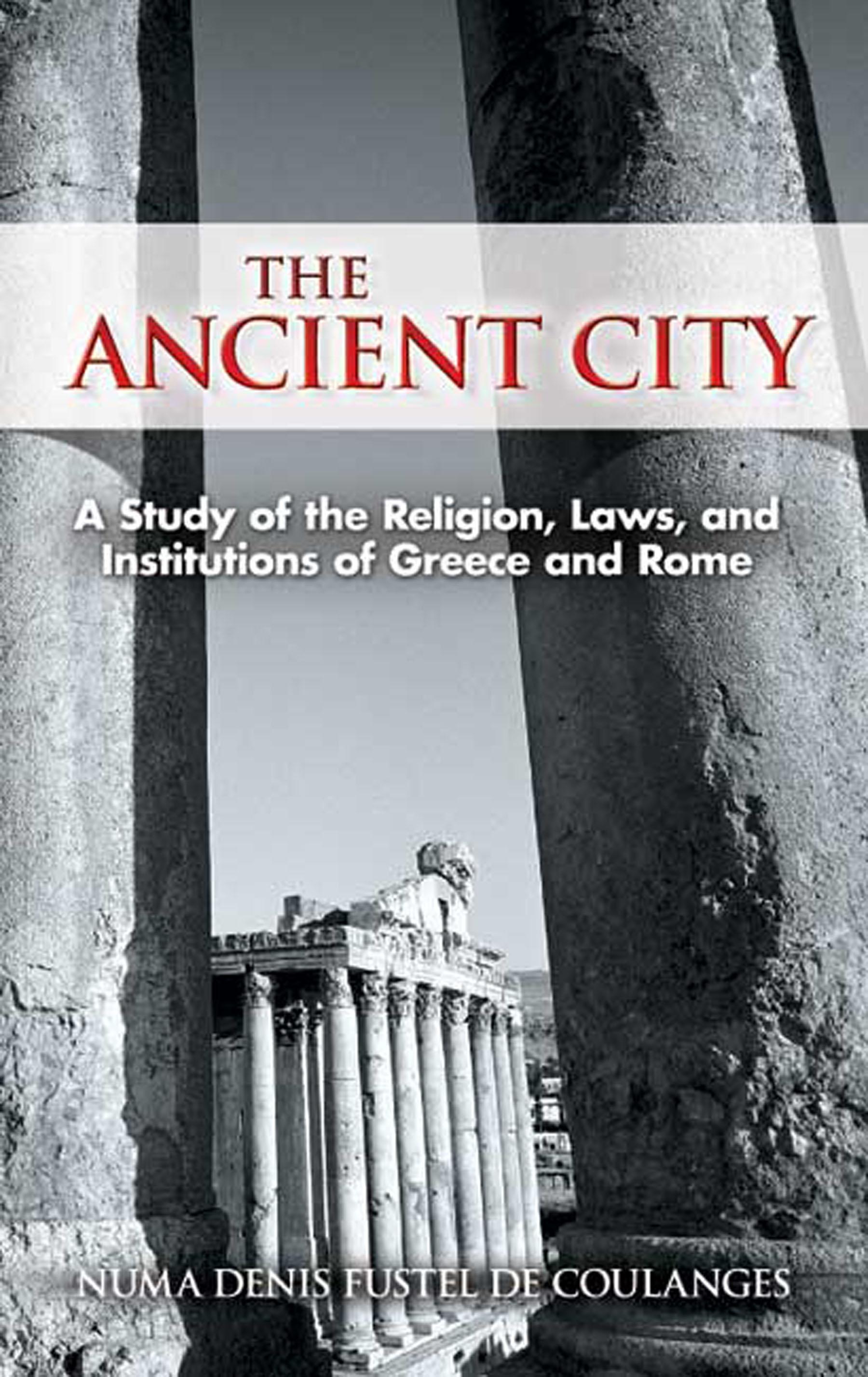
With this influential study, French historian Numa Denis Fustel de Coulanges initiated a new approach to Greek and Roman city organization. Fustel de Coulanges' 1864 masterpiece, La Cité antique, drew upon physical evidence as well as ancient documents rather than the usual post-Classical histories. The result is a fresh, accurate, and detailed portrait of the religious, family, and civic life of Periclean Athens and Rome during the time of Cicero.
This fascinating sociological account reveals the significance of kinship and the cult of the family hearth and ancestors to ancient Hellenic and Latin urban culture. It chronicles the rise of family-centered pagan belief systems, tracing their gradual decline to the spread of Christianity. Fustel cites ancient Indian and Hebrew texts as well as Greek and Roman sources. The ingenuity of his interpretations, along with his striking prose style, offer readers a vital and enduring historic survey.
This fascinating sociological account reveals the significance of kinship and the cult of the family hearth and ancestors to ancient Hellenic and Latin urban culture. It chronicles the rise of family-centered pagan belief systems, tracing their gradual decline to the spread of Christianity. Fustel cites ancient Indian and Hebrew texts as well as Greek and Roman sources. The ingenuity of his interpretations, along with his striking prose style, offer readers a vital and enduring historic survey.
Betal enkelt med kort, Klarna, Apple Pay eller Google Pay. Ikke fornøyd? Du har alltid 14 dagers angrerett. Les mer i våre vilkår. Har du spørsmål, send oss en e-post på hello@memmo.org.
Memmo gjør det enklere å studere – uansett hvor du er i verden. Hos oss samler du pensumbøker og smarte studieverktøy på ett og samme sted: sammendrag, quizer, podkaster og flashcards. Og så Ted, din studiekompis som svarer på alt du lurer på. Over 50 000 studenter studerer allerede her – bygget for at du skal lære raskere og stresse mindre.
Du vil kanskje også like
Kjøp boken0