
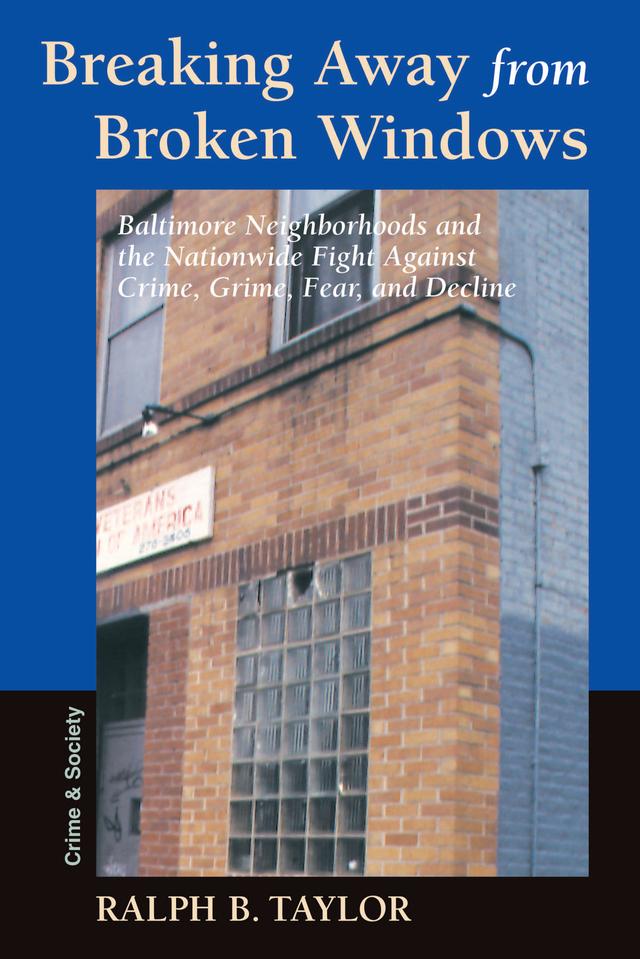
In Breaking Away from Broken Windows Ralph Taylor uses data on recent Baltimore crime-reduction efforts to attack the 'broken windows' thesis--that is, the currently fashionable notion that by reducing or eliminating superficial signs of disorder (dilapidated buildings, graffiti, incivil behavior by teenagers, etc.), urban police deparments can make significant and lasting reductions in crime. Taylor argues that such measures, while useful, are only a partial solution to the problem at hand. His data supports a materialist view: changes in levels of physical decay, superficial social disorder, and racial composition do not lead to higher crime, while economic decline does. He contends that the Baltimore example shows that in order to make real, long-term reductions in crime, urban politicians, businesses, and community leaders must work together to improve the economic fortunes of those living in high-crime areas.
Betal enkelt med kort, Klarna, Apple Pay eller Google Pay. Ikke fornøyd? Du har alltid 14 dagers angrerett. Les mer i våre vilkår. Har du spørsmål, send oss en e-post på hello@memmo.org.
Memmo gjør det enklere å studere – uansett hvor du er i verden. Hos oss samler du pensumbøker og smarte studieverktøy på ett og samme sted: sammendrag, quizer, podkaster og flashcards. Og så Ted, din studiekompis som svarer på alt du lurer på. Over 50 000 studenter studerer allerede her – bygget for at du skal lære raskere og stresse mindre.
Du vil kanskje også like
Kjøp boken0