
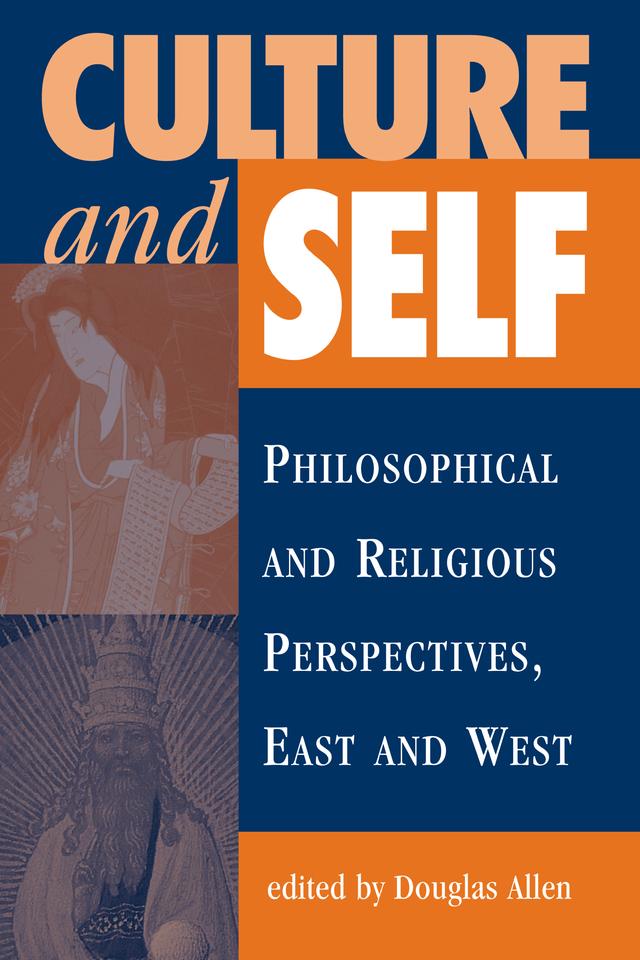
Traditional scholars of philosophy and religion, both East and West, often place a major emphasis on analyzing the nature of "the self." In recent decades, there has been a renewed interest in analyzing self, but most scholars have not claimed knowledge of an ahistorical, objective, essential self free from all cultural determinants. The contributors of this volume recognize the need to contextualize specific views of self and to analyze such views in terms of the dynamic, dialectical relations between self and culture. An unusual feature of this book is that all of the chapters not only focus on traditions and individuals, East and West, but include as primary emphases comparative philosophy, religion, and culture, reinforcing individual and cultural creativity. Each chapter brings specific Eastern and Western perspectives into a dynamic, comparative relation. This comparative orientation emphasizes our growing sense of interrelatedness and interdependency.
Betal enkelt med kort, Klarna, Apple Pay eller Google Pay. Ikke fornøyd? Du har alltid 14 dagers angrerett. Les mer i våre vilkår. Har du spørsmål, send oss en e-post på hello@memmo.org.
Memmo gjør det enklere å studere – uansett hvor du er i verden. Hos oss samler du pensumbøker og smarte studieverktøy på ett og samme sted: sammendrag, quizer, podkaster og flashcards. Og så Ted, din studiekompis som svarer på alt du lurer på. Over 50 000 studenter studerer allerede her – bygget for at du skal lære raskere og stresse mindre.
Du vil kanskje også like
Kjøp boken0