
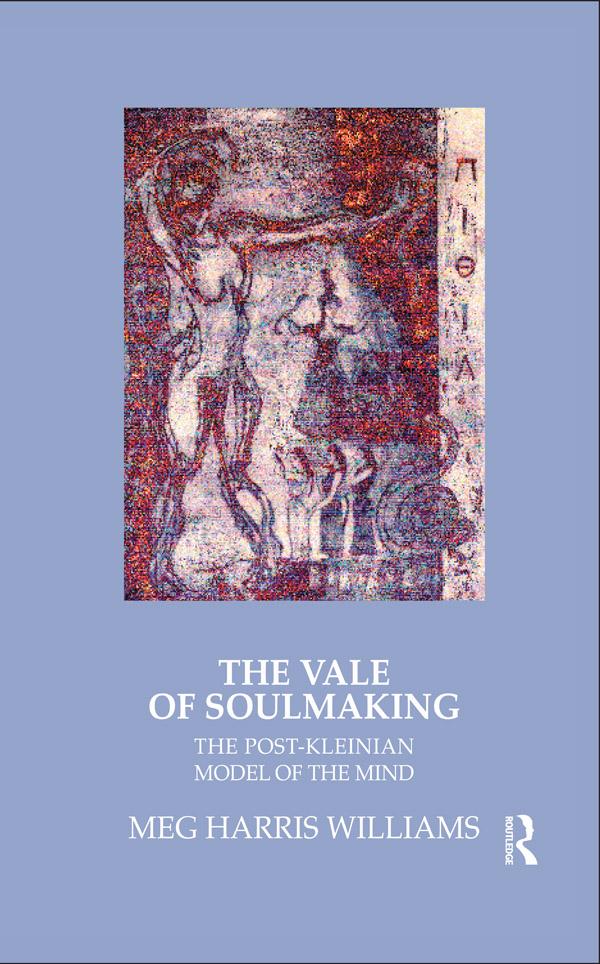
The post-Kleinian model of the mind, as developed by W. R. Bion and Donald Meltzer, is essentially an aesthetic one. It is founded on Melanie Klein's discovery of the "internal object" with its combined masculine and feminine qualities and ambiguous, awe-inspiring nature. Turbulent emotional experiences are repeatedly transformed through symbol-formation, on the basis of the internal relationship between the infant self and its object; and the aesthetic containment provided by this "counter-transference dream" (as Meltzer put it) enables the mind to digest its conflicts and develop.This search for a pattern that can make "contrary" emotions thinkable is modelled by all art forms and accounts for their universal significance. It is a process that can be observed particularly clearly in literature, in the form of the romance between the poet and his Muse (the traditional formulation of the psycho-analytic internal object).
Betal enkelt med kort, Klarna, Apple Pay eller Google Pay. Ikke fornøyd? Du har alltid 14 dagers angrerett. Les mer i våre vilkår. Har du spørsmål, send oss en e-post på hello@memmo.org.
Memmo gjør det enklere å studere – uansett hvor du er i verden. Hos oss samler du pensumbøker og smarte studieverktøy på ett og samme sted: sammendrag, quizer, podkaster og flashcards. Og så Ted, din studiekompis som svarer på alt du lurer på. Over 50 000 studenter studerer allerede her – bygget for at du skal lære raskere og stresse mindre.
Du vil kanskje også like
Kjøp boken0