
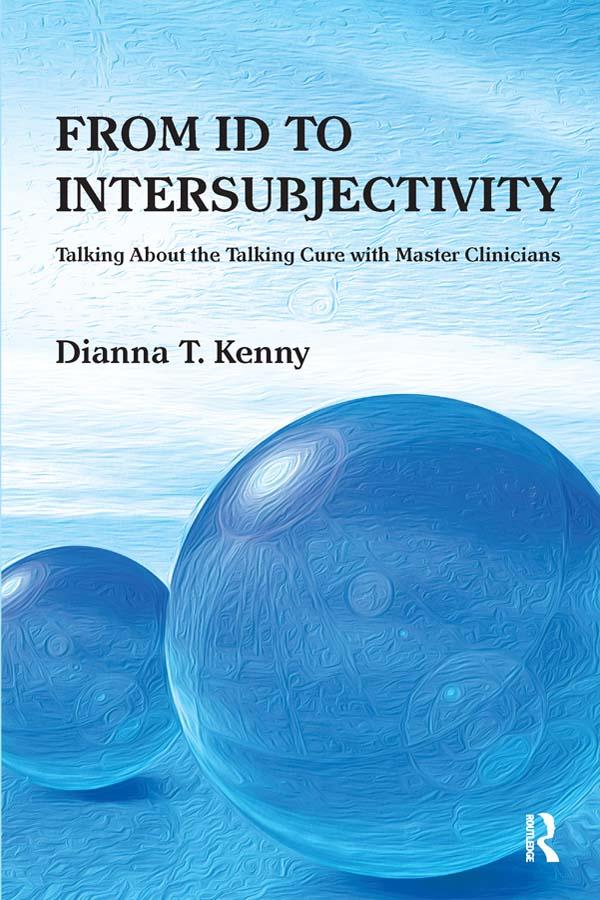
Psychoanalysis has moved a long way from the techniques of classical psychoanalysis but these changes have not been understood or disseminated to the wider community. Even university scholars and students of psychology have an archetypal view of the original form of psychoanalysis and do not appreciate that major changes have occurred. This book commences with a detailed outline of the origins of psychoanalysis and an explanation of key terms, which are often misinterpreted. The second chapter examines the changes that have occurred in theorising and practice over the past 120 years and explores key developments. The following chapters contain an interview with a practitioner working in one of each of the four major branches of modern psychoanalysis - object relations, attachment informed psychotherapy, intensive short-term dynamic psychotherapy, and relational and intersubjective theory. There follows textual, content, conceptual, and thematic analyses of the transcripts of interviews and commentaries on a therapy excerpt exploring commonalities and differences among these theoretical approaches.
Betal enkelt med kort, Klarna, Apple Pay eller Google Pay. Ikke fornøyd? Du har alltid 14 dagers angrerett. Les mer i våre vilkår. Har du spørsmål, send oss en e-post på hello@memmo.org.
Memmo gjør det enklere å studere – uansett hvor du er i verden. Hos oss samler du pensumbøker og smarte studieverktøy på ett og samme sted: sammendrag, quizer, podkaster og flashcards. Og så Ted, din studiekompis som svarer på alt du lurer på. Over 50 000 studenter studerer allerede her – bygget for at du skal lære raskere og stresse mindre.
Du vil kanskje også like
Kjøp boken0