
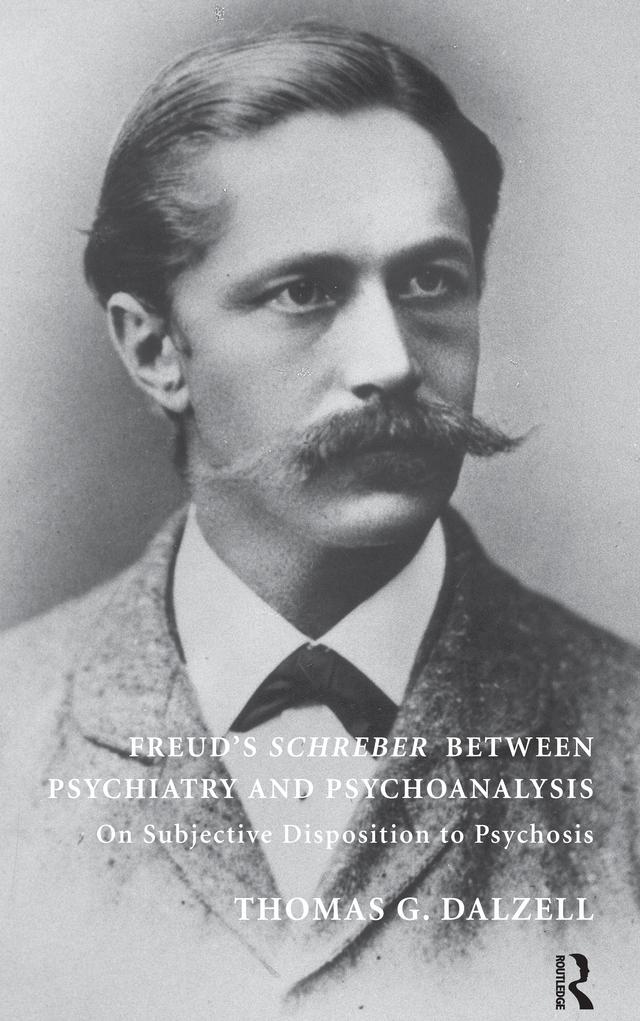
This book investigates what was distinctive about the predisposition to psychosis Freud posited in Daniel Paul Schreber, a presiding judge in Saxony's highest court. It argues that Freud's 1911 Schreber text reversed the order of priority in late nineteenth-century conceptions of the disposing causes of psychosis - the objective-biological and subjective-biographical - to privilege subjective disposition to psychosis, but without returning to the paradigms of early nineteenth-century Romantic psychiatry and without obviating the legitimate claims of biological psychiatry in relation to hereditary disposition. While Schreber is the book's reference point, this is not a general treatment of Schreber, or of Freud's reading of the Schreber case. It focuses rather on what was new in Freud's thinking on the disposition to psychosis, what he learned from his psychiatrist contemporaries and what he did not, and whether or not psychoanalysts have fully received his aetiology.
Betal enkelt med kort, Klarna, Apple Pay eller Google Pay. Ikke fornøyd? Du har alltid 14 dagers angrerett. Les mer i våre vilkår. Har du spørsmål, send oss en e-post på hello@memmo.org.
Memmo gjør det enklere å studere – uansett hvor du er i verden. Hos oss samler du pensumbøker og smarte studieverktøy på ett og samme sted: sammendrag, quizer, podkaster og flashcards. Og så Ted, din studiekompis som svarer på alt du lurer på. Over 50 000 studenter studerer allerede her – bygget for at du skal lære raskere og stresse mindre.
Du vil kanskje også like
Kjøp boken0