
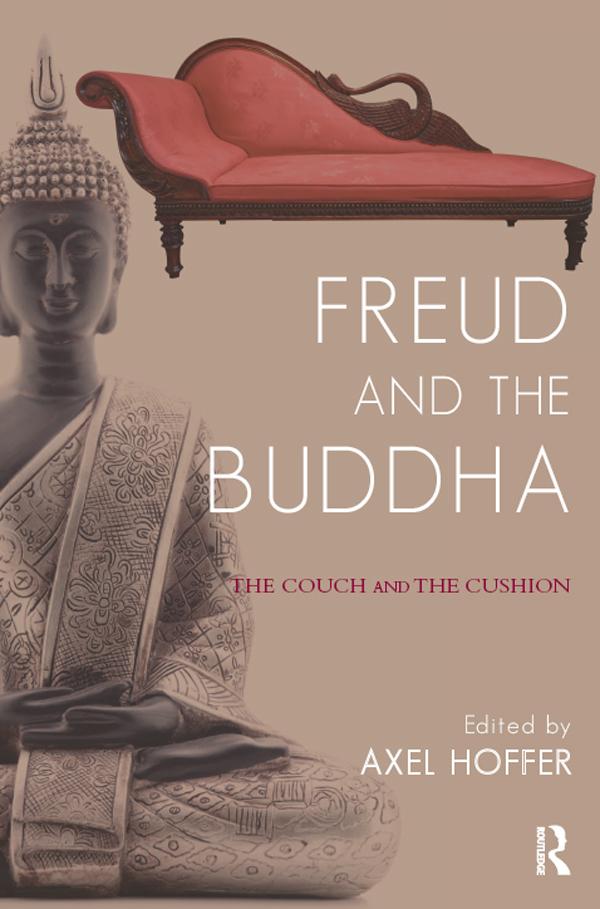
This book investigates what psychoanalysis and Buddhism can learn from each other, and offers chapters by a Buddhist scholar, a psychiatrist-author, and a number of leading psychoanalysts. It begins with a discussion of the basic understanding of both psychoanalysis and Buddhism, viewed not as a religion but as a psychology and a philosophy with ethical principles. The focus of the book rests on the commonality between the psychoanalyst's neutrality as he listens to his freely associating patient, and the Buddhist monk's non-judgmental attention to his mind. The psychoanalytic concepts of free association, the unconscious, transference and countertransference are compared to the implications of the Buddhist principles of impermanence, non-clinging (non-attachment), the hard-to-grasp concept of the "not-self", and the practice of meditation. The differences between the role of the analyst and that of the Buddhist teacher of meditation are explored, and the important difference between the analyst's emphasis on insight and thinking is compared to the Buddhist attention to awareness and experience.
Betal enkelt med kort, Klarna, Apple Pay eller Google Pay. Ikke fornøyd? Du har alltid 14 dagers angrerett. Les mer i våre vilkår. Har du spørsmål, send oss en e-post på hello@memmo.org.
Memmo gjør det enklere å studere – uansett hvor du er i verden. Hos oss samler du pensumbøker og smarte studieverktøy på ett og samme sted: sammendrag, quizer, podkaster og flashcards. Og så Ted, din studiekompis som svarer på alt du lurer på. Over 50 000 studenter studerer allerede her – bygget for at du skal lære raskere og stresse mindre.
Du vil kanskje også like
Kjøp boken0