
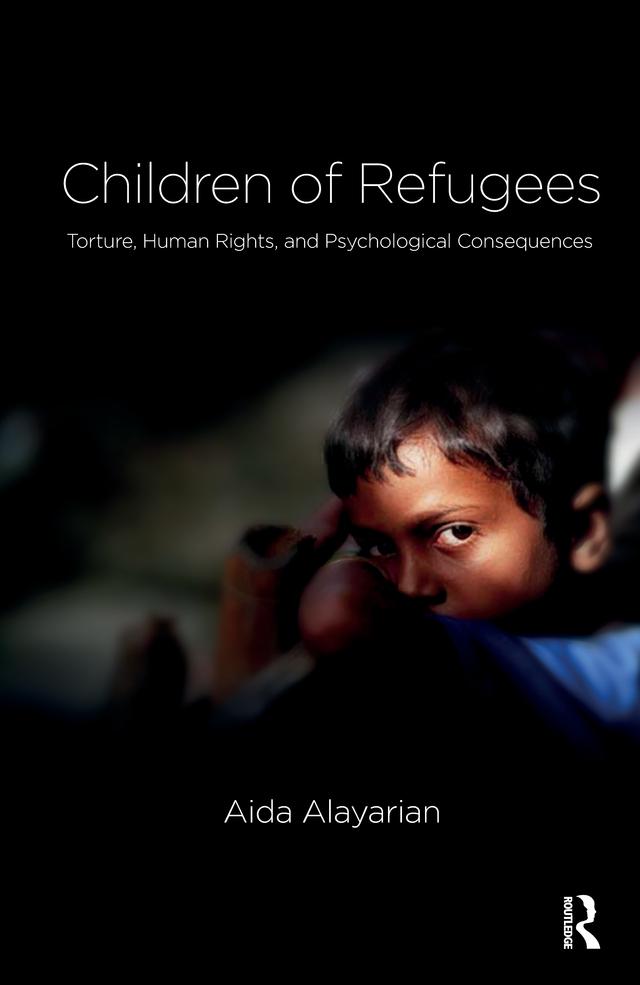
There is a wide gap between the psychological needs of the children of refugees and the services provided. Refugees' home countries, cultures, and social make-up are widely diversified, and their needs cannot be readily consolidated. This diversity of interest and need goes unacknowledged by the service-providers who may treat them as a single, homogenous group. Some refugees' needs are exaggerated, while others are ignored. This approach often ignores the justifiable and legitimate interest of refugees' psychological wellbeing. Many children of refugees may struggle with questions of race, ethnicity, language barriers, and other socio-political and economic issues that can influence their mental health and psychological wellbeing. Preoccupations of the child's emotions with those issues therefore have effects on child personality formations. Apart from having an overview of the relevant processes involved in therapeutic work and possible challenges therein, it is also important for the therapist to have an overview of the child's situation in the past and any current issues, which this book provides.
Betal enkelt med kort, Klarna, Apple Pay eller Google Pay. Ikke fornøyd? Du har alltid 14 dagers angrerett. Les mer i våre vilkår. Har du spørsmål, send oss en e-post på hello@memmo.org.
Memmo gjør det enklere å studere – uansett hvor du er i verden. Hos oss samler du pensumbøker og smarte studieverktøy på ett og samme sted: sammendrag, quizer, podkaster og flashcards. Og så Ted, din studiekompis som svarer på alt du lurer på. Over 50 000 studenter studerer allerede her – bygget for at du skal lære raskere og stresse mindre.
Du vil kanskje også like
Kjøp boken0