
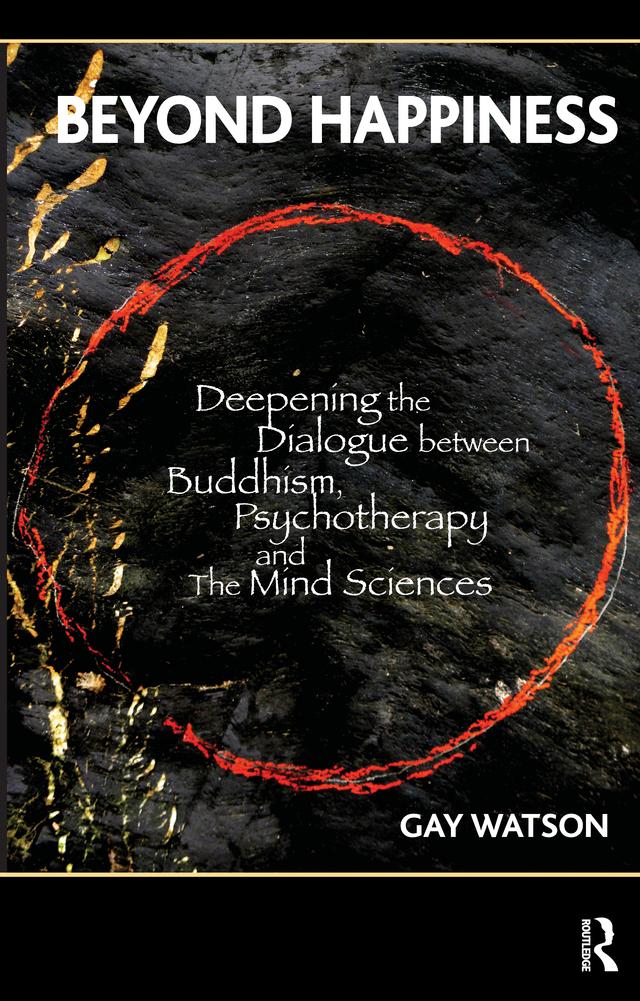
Contemporary mind sciences are revealing facts about the brain and its development that have much to teach us about health and happiness. For a greater part of the twentieth century, psychology and psychotherapy had little to say to one another. Despite Freud's early wish to consider psychoanalysis a science, academic psychology had scant time for what it considered at best an "art" form, while psychotherapy found little interest in psychology's lack of concern with subjective experience. Since the rise of the interdisciplinary fields of cognitive science, neuroscience and consciousness studies and the growth of new technologies, all this has changed. This new knowledge challenges many of our common sense and long-held beliefs. It has important implications for education and health, and illuminates both natural optimal development and the way later therapy may heal early insufficiency. What is perhaps more surprising is that these findings engage with the "first" psychology, that of Buddhism.
Betal enkelt med kort, Klarna, Apple Pay eller Google Pay. Ikke fornøyd? Du har alltid 14 dagers angrerett. Les mer i våre vilkår. Har du spørsmål, send oss en e-post på hello@memmo.org.
Memmo gjør det enklere å studere – uansett hvor du er i verden. Hos oss samler du pensumbøker og smarte studieverktøy på ett og samme sted: sammendrag, quizer, podkaster og flashcards. Og så Ted, din studiekompis som svarer på alt du lurer på. Over 50 000 studenter studerer allerede her – bygget for at du skal lære raskere og stresse mindre.
Du vil kanskje også like
Kjøp boken0