
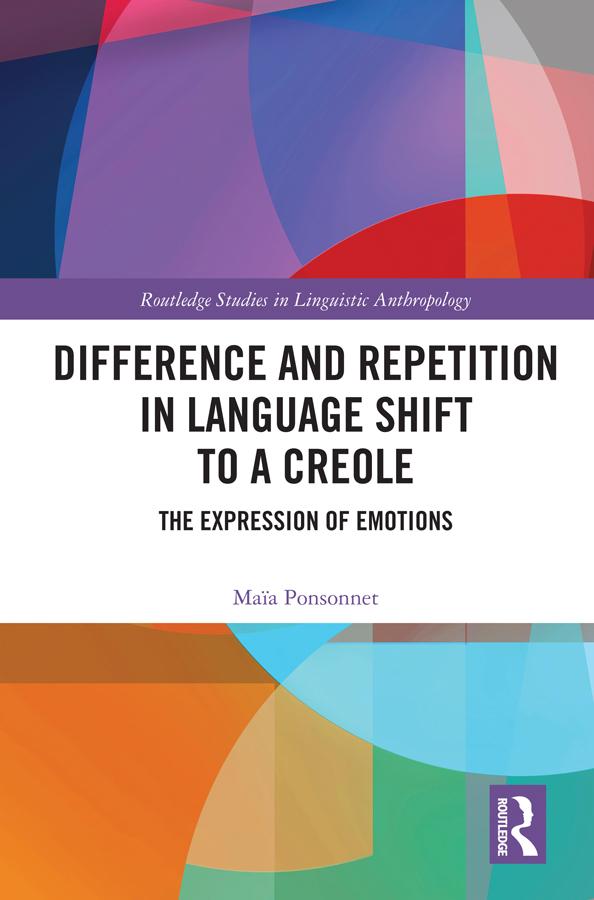
In today’s global commerce and communication, linguistic diversity is in steady decline across the world as speakers of smaller languages adopt dominant forms. While this phenomenon, known as ‘language shift’, is usually regarded as a loss, this book adopts a different angle and addresses the following questions:
- What difference does using a new language make to the way speakers communicate in everyday life?
- Can the grammatical and lexical architectures of individual languages influence what speakers express?
- In other words, to what extent does adopting a new language alter speakers’ day-to-day communication practices, and in turn, perhaps, their social life and world views?
To answer these questions, this book studies the expression of emotions in two languages on each side of a shift: Kriol, an English-based creole spoken in northern Australia, and Dalabon (Gunwinyguan, non-Pama-Nyungan), an Australian Aboriginal language that is being replaced by Kriol.
This volume is the first to explore the influence of the formal properties of language on the expression of emotions, as well as the first description of the linguistic encoding of emotions in a creole language. The cross-disciplinary approach will appeal to linguists, psychologists, anthropologists and other social scientists.
Betal enkelt med kort, Klarna, Apple Pay eller Google Pay. Ikke fornøyd? Du har alltid 14 dagers angrerett. Les mer i våre vilkår. Har du spørsmål, send oss en e-post på hello@memmo.org.
Memmo gjør det enklere å studere – uansett hvor du er i verden. Hos oss samler du pensumbøker og smarte studieverktøy på ett og samme sted: sammendrag, quizer, podkaster og flashcards. Og så Ted, din studiekompis som svarer på alt du lurer på. Over 50 000 studenter studerer allerede her – bygget for at du skal lære raskere og stresse mindre.