
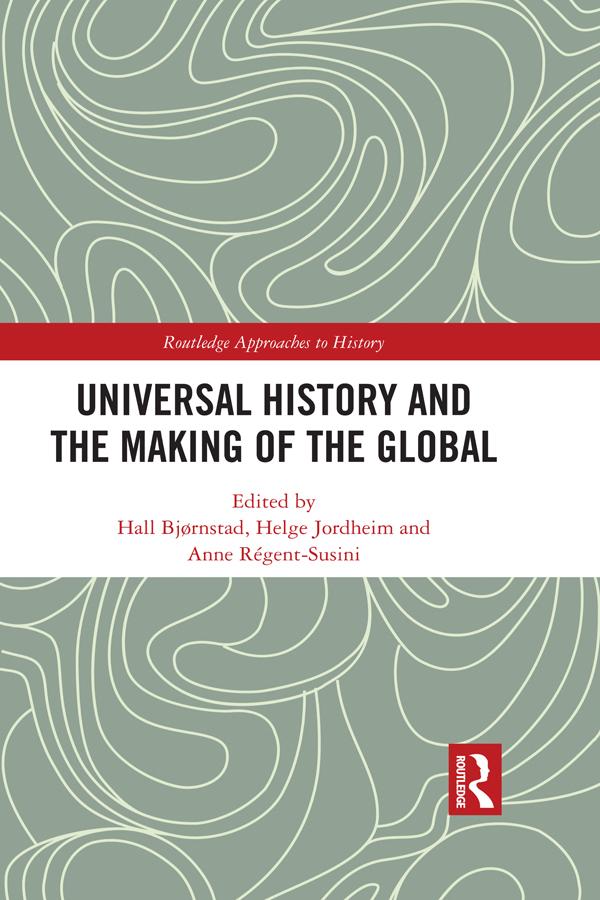
By examining the history of universal history from the late Middle Ages until the early nineteenth century we trace the making of the global. Early modern universal history can be seen as a response to the epistemological crisis provoked by new knowledge and experience. Traditional narratives were no longer sufficient to gain an understanding of events. Inspired by recent developments in theory of history, the volume argues that the relevance of universal history resides in the laboratory of intense, diverse and mainly unsuccessful attempts at thinking history and universals together. They all shared the common aim of integrating all time and space: assemble the world and keep it together.
Betal enkelt med kort, Klarna, Apple Pay eller Google Pay. Ikke fornøyd? Du har alltid 14 dagers angrerett. Les mer i våre vilkår. Har du spørsmål, send oss en e-post på hello@memmo.org.
Memmo gjør det enklere å studere – uansett hvor du er i verden. Hos oss samler du pensumbøker og smarte studieverktøy på ett og samme sted: sammendrag, quizer, podkaster og flashcards. Og så Ted, din studiekompis som svarer på alt du lurer på. Over 50 000 studenter studerer allerede her – bygget for at du skal lære raskere og stresse mindre.