
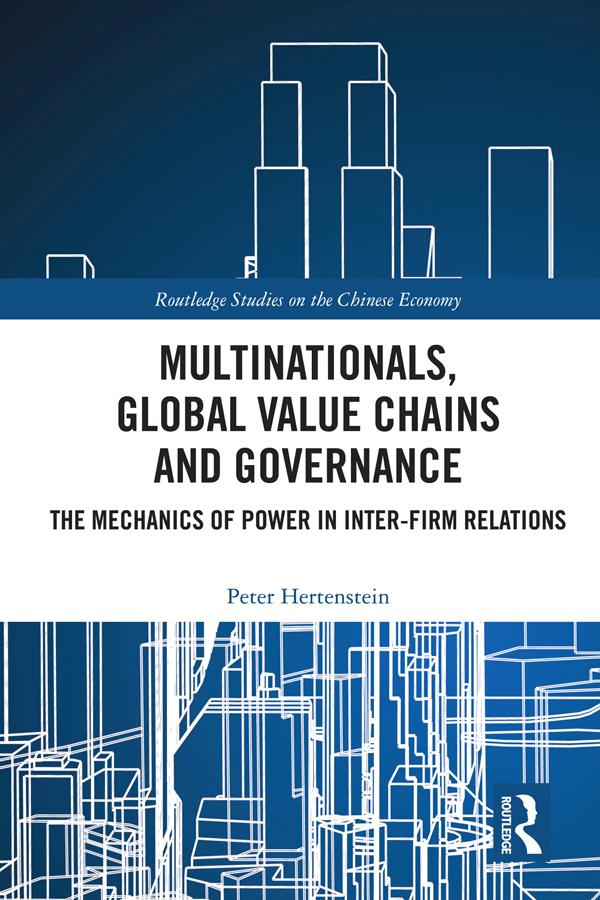
This book uses the examples of local supply firms in China and Brazil and their connections to the global automotive industry to explore the nature of current global value chains. It argues that lead firms make use of product architecture to globalize their procurement and supply chain management and that they effectively restructure the global supply base by internationalizing the most capable supply firms, thereby creating oligopolies controlled by the lead firm. The book goes on to contend that some firms have gained such powerful positions that they have gained a degree of control over other firms without the necessity of ownership – altering the mechanics of governance. Also, it shows how, although some supply firms from emerging markets have utilized their business ties with western assembly firms to upgrade themselves within the global value chain, most are squeezed out through increased global competition. Overall, the book makes a major new contribution to the economic theory of governance.
Betal enkelt med kort, Klarna, Apple Pay eller Google Pay. Ikke fornøyd? Du har alltid 14 dagers angrerett. Les mer i våre vilkår. Har du spørsmål, send oss en e-post på hello@memmo.org.
Memmo gjør det enklere å studere – uansett hvor du er i verden. Hos oss samler du pensumbøker og smarte studieverktøy på ett og samme sted: sammendrag, quizer, podkaster og flashcards. Og så Ted, din studiekompis som svarer på alt du lurer på. Over 50 000 studenter studerer allerede her – bygget for at du skal lære raskere og stresse mindre.