
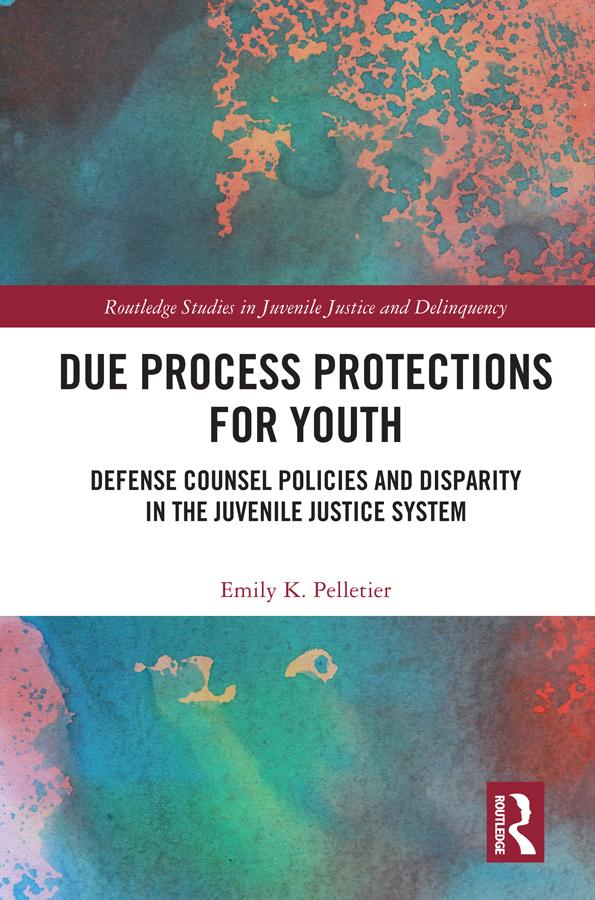
This monograph illuminates the connections between juvenile defense policies and the racially disparate impact of the juvenile justice system. The limited data that exist on youth in the juvenile justice system consistently depict disparate contact and outcomes for black youth across the system. The broad rehabilitative goals of the U.S. juvenile justice system, along with the "best interest" legal standard of the child welfare system, muddle the protection of youth due process rights. States differ widely in their policies granting defense counsel, and many policies lack specific language for policies addressing notions such as appointment timing, duration of representation, waiver criteria, and role of counsel.
Using a combination of legal and sociological research methods, this book examines the lack of specificity in the language of juvenile defense policies and connects the dots between this deficiency with the racially disparate impact of the system, contextualizing findings within a broader theoretical constructs of race and law. The author introduces common elements of juvenile defense policies, describes their impact, and makes suggestions for strengthening defense counsel policies. The book concludes with a call to action regarding expanded data-collection practices for juvenile delinquency courts.
This book is essential reading for those engaged in youth and juvenile justice efforts and scholars interested in issues surrounding due process, race, class, social policy, and justice.
Betal enkelt med kort, Klarna, Apple Pay eller Google Pay. Ikke fornøyd? Du har alltid 14 dagers angrerett. Les mer i våre vilkår. Har du spørsmål, send oss en e-post på hello@memmo.org.
Memmo gjør det enklere å studere – uansett hvor du er i verden. Hos oss samler du pensumbøker og smarte studieverktøy på ett og samme sted: sammendrag, quizer, podkaster og flashcards. Og så Ted, din studiekompis som svarer på alt du lurer på. Over 50 000 studenter studerer allerede her – bygget for at du skal lære raskere og stresse mindre.