
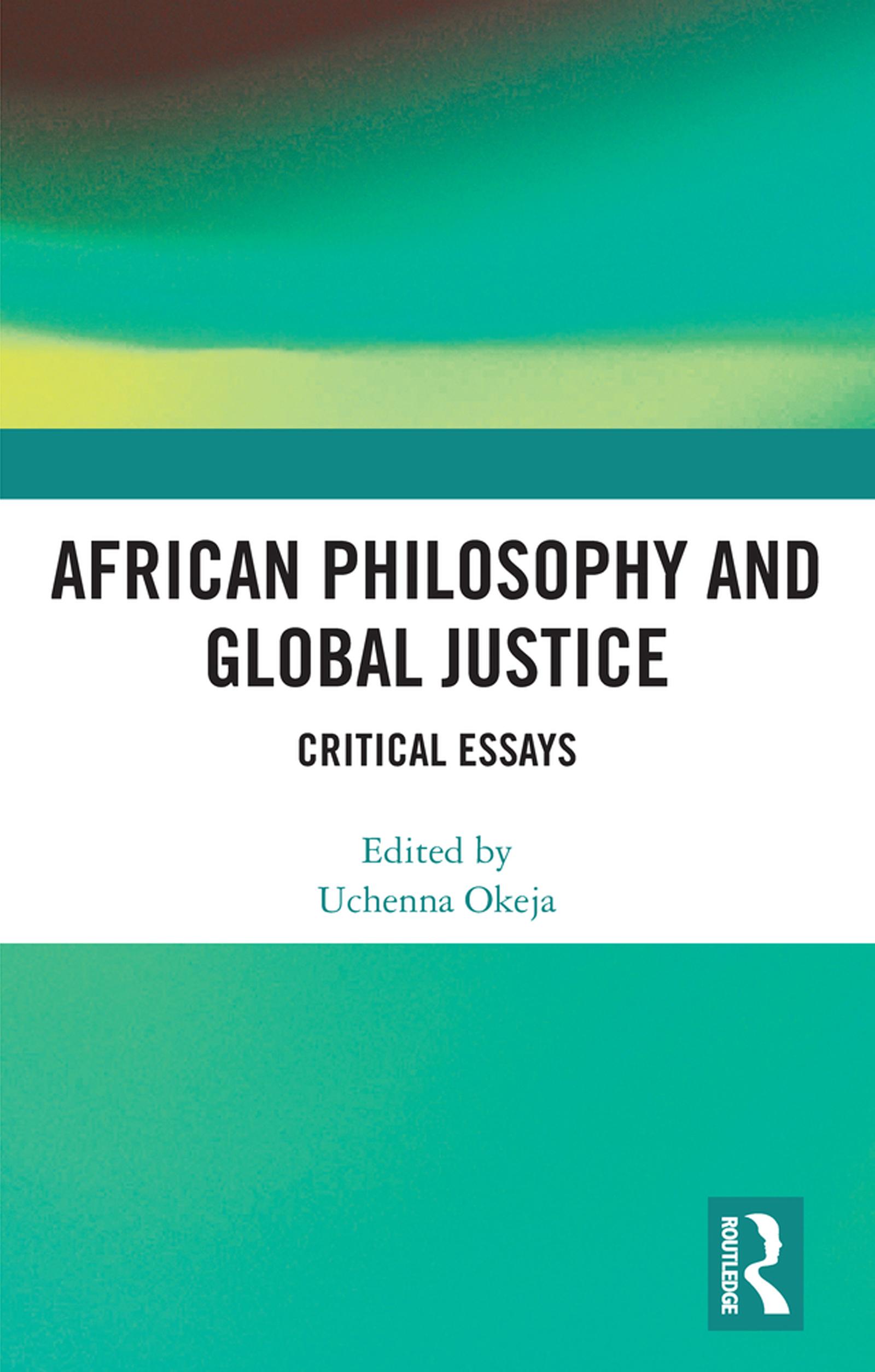
In contemporary political philosophy, the subject of global justice has received sustained interest. This is unsurprising, given the nexus between inequality and many of the pressing global problems today, such as immigration, global public health, poverty and violence. Theorists of global justice ask why inequality is morally wrong, what we owe to the global poor, what the implications of global inequality for people in affluent countries are, and the power of agencies or institutions necessary for the realization of a fairer world. Although political philosophers have offered different conceptions of these problems and narratives of the ideal of justice, a major shortcoming of the current discussion are the limits of the concepts and idioms employed. Assumptions are made about the experience of poverty, but little is done to understand the way people in underdeveloped countries experience and understand their predicament. This has resulted in the entrenchment of cognitive inequality in the global justice debate. This book attempts to correct the inaccuracies engendered by the one-sided theorising of global justice. By employing metaphors, concepts and philosophical ideas to reflect on global justice, the book provides an account of global justice that goes beyond current parochial perspective. This book was originally published as a Special Issue of Philosophical Papers.
Betal enkelt med kort, Klarna, Apple Pay eller Google Pay. Ikke fornøyd? Du har alltid 14 dagers angrerett. Les mer i våre vilkår. Har du spørsmål, send oss en e-post på hello@memmo.org.
Memmo gjør det enklere å studere – uansett hvor du er i verden. Hos oss samler du pensumbøker og smarte studieverktøy på ett og samme sted: sammendrag, quizer, podkaster og flashcards. Og så Ted, din studiekompis som svarer på alt du lurer på. Over 50 000 studenter studerer allerede her – bygget for at du skal lære raskere og stresse mindre.