
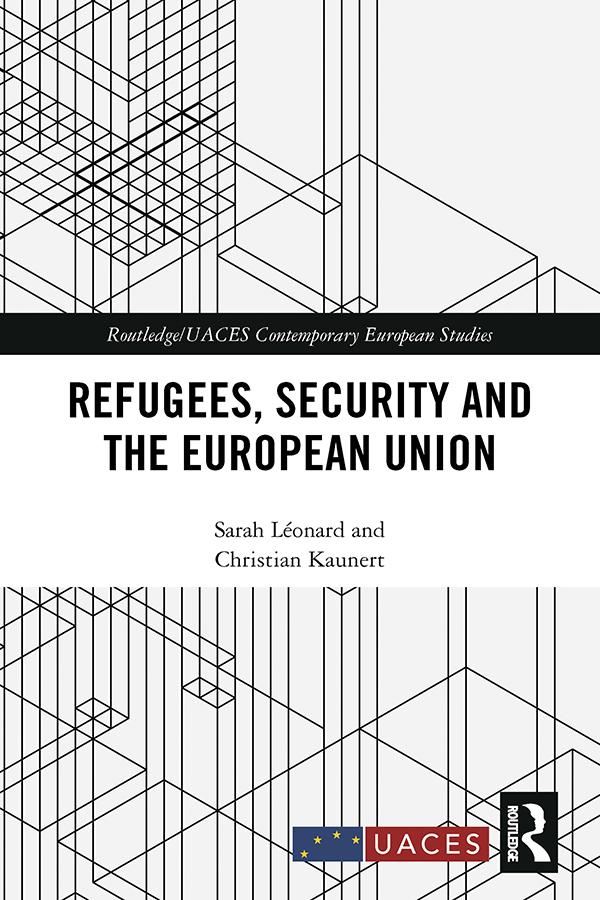
This book analyses the extent and the modalities of the securitization of asylum-seekers and refugees in the EU.
It argues that the development of the EU asylum policy, far from 'securitizing' asylum-seekers and refugees, has led to the strengthening and codification of several rights for these two categories of persons. However, the securitization of terrorism and the links that have been constructed between asylum, irregular migration and terrorism in the wake of the various terrorist attacks that have taken place in Europe in the last few years have had a significant impact on the ability of asylum-seekers to gain access to asylum systems in the EU. From a theoretical point of view, the book develops an original analytical framework that draws upon and further develops security studies – more precisely securitization theory – by connecting it to the literature on policy venues and venue-shopping. It therefore makes a significant contribution to the debates on both securitization and migration.
Empirically examining the entire development of the EU’s policy towards asylum-seekers and refugees, from its origins in 1993, this book will be of great interest to students of European and EU politics, refugees, migration, security, terrorism and counter-terrorism, security studies and International Relations.
Betal enkelt med kort, Klarna, Apple Pay eller Google Pay. Ikke fornøyd? Du har alltid 14 dagers angrerett. Les mer i våre vilkår. Har du spørsmål, send oss en e-post på hello@memmo.org.
Memmo gjør det enklere å studere – uansett hvor du er i verden. Hos oss samler du pensumbøker og smarte studieverktøy på ett og samme sted: sammendrag, quizer, podkaster og flashcards. Og så Ted, din studiekompis som svarer på alt du lurer på. Over 50 000 studenter studerer allerede her – bygget for at du skal lære raskere og stresse mindre.