
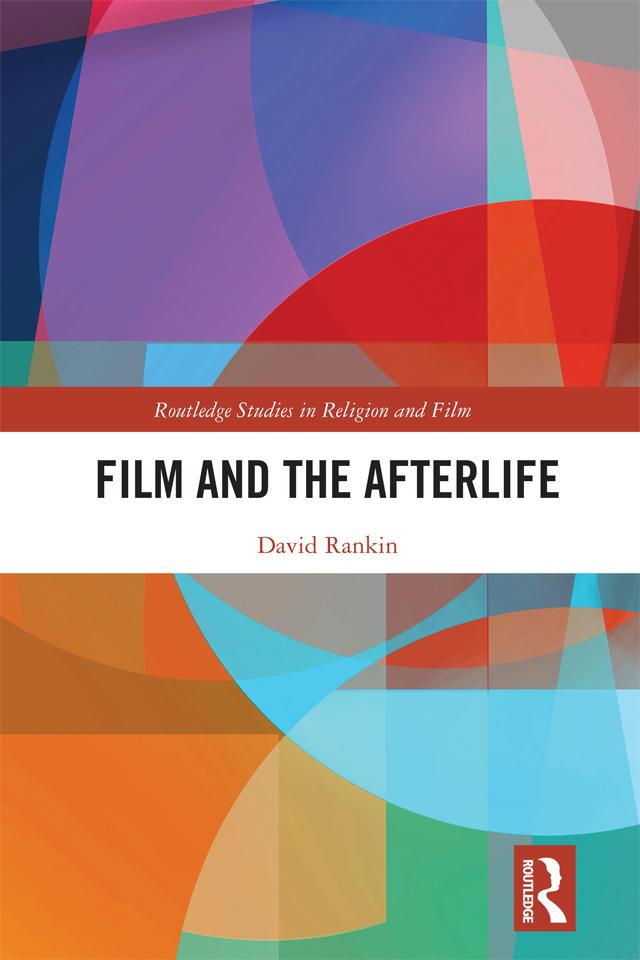
This book explores how post-death existence is represented in popular film, looking at issues such as continuity, personal identity, and the nature of existence beyond the grave. Film often returns to the theme of dying, death and the afterlife, both directly and indirectly, because there are very few subjects as compelling and universal.
The book compares the representation of death, dying and the afterlife in films to scholarly surveys of attitudes towards life-after-death through the analysis of twenty films made between the end of World War II and now. It looks at the portrayals of stages between death and a final destination; spatio-temporal and personal continuity; the nature of afterlife existence in terms of embodiment, or not; and the contact between the worlds of the living and the dead.
This book offers a wide-ranging view on a compelling subject in film. As such, it will be of great interest to scholars of Religion and Film, Religion and Media, the Philosophy of Religion, and the Sociology of Religion, as well as Religion, Media and Film Studies more generally
.
Betal enkelt med kort, Klarna, Apple Pay eller Google Pay. Ikke fornøyd? Du har alltid 14 dagers angrerett. Les mer i våre vilkår. Har du spørsmål, send oss en e-post på hello@memmo.org.
Memmo gjør det enklere å studere – uansett hvor du er i verden. Hos oss samler du pensumbøker og smarte studieverktøy på ett og samme sted: sammendrag, quizer, podkaster og flashcards. Og så Ted, din studiekompis som svarer på alt du lurer på. Over 50 000 studenter studerer allerede her – bygget for at du skal lære raskere og stresse mindre.